For fleet managers this means ensuring their sanitisation policies are strictly followed and drivers are given guidance about how to safely interact with people at their destinations.
Before the third wave began in earnest, there was a tendency to be more relaxed about the possibility of contracting or spreading the virus.
The CEO of MasterDrive, Eugene Herbert, says: “It is essential to emphasise the importance of maintaining stringent sanitisation processes to reduce the impact of the third wave on your business. While hand washing and sanitising are important, it takes much more than this alone.”
Drivers should follow these steps to ensure all vehicles remain sanitised, he says.
- This includes washing and sanitising your hands at every opportunity but if you do not have access to hand-washing facilities, just sanitise them.
- If you receive stock or other items, spray or wipe them and any areas other people may have touched down with disinfectant.
- At the end of your shift, disinfect the vehicle so that you or a co-worker can start the next shift with a fully sanitised car.
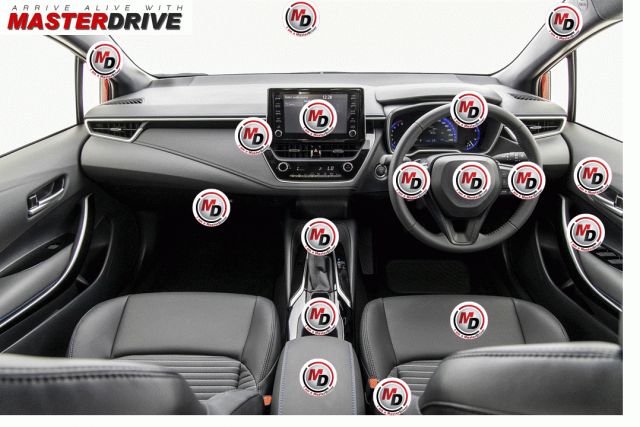
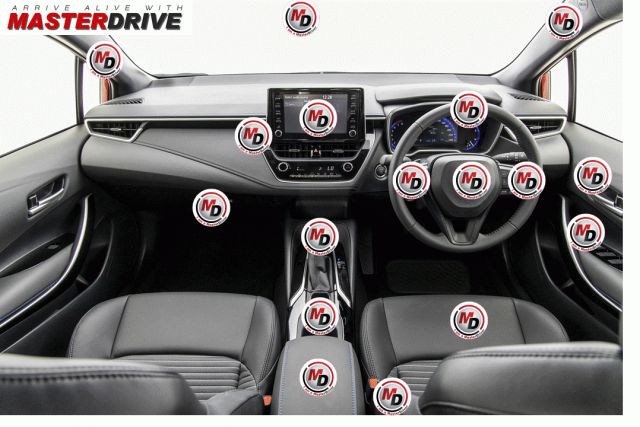
The accompanying image indicates the areas that you need to clean with an alcohol-based disinfectant. This includes the doors, door handles, dashboard, steering wheel, rear-view mirror, gear lever, handbrake, sound system, arm rests, the seatbelts and seats.
Do not forget areas such as indicator levers, seat levers and even fuel cards.
Wipe down the infotainment system as well, but rather avoid using an alcohol-based cleaner.
Remember to sanitise the exterior of the vehicle: door handles, door frames and the exterior of the boot.
If people travel with you, or use a demonstration vehicle, do not forget to sanitise after they exit.
Sanitising after a refuel:
- Do not forget to put your mask on.
- Make use of the tap function on your card.
- Keep hand sanitiser or wipes in your vehicle in case you need to touch the card machine.
- If you need a bathroom break, ensure you take sanitiser with you.
- Sanitise around your petrol cap both inside and out.
- Wipe down anywhere a petrol attendant may touch.
Alcohol-based disinfectants will not damage the vehicle if you use it sparingly and do not soak the surfaces or use it on infotainment systems.
Sanitisers cannot set your vehicle alight. Spontaneous combustion can only happen under specific conditions. Gel or liquid hand sanitisers need an external ignition source to catch alight. The heat of a vehicle alone is not enough to cause a fire.