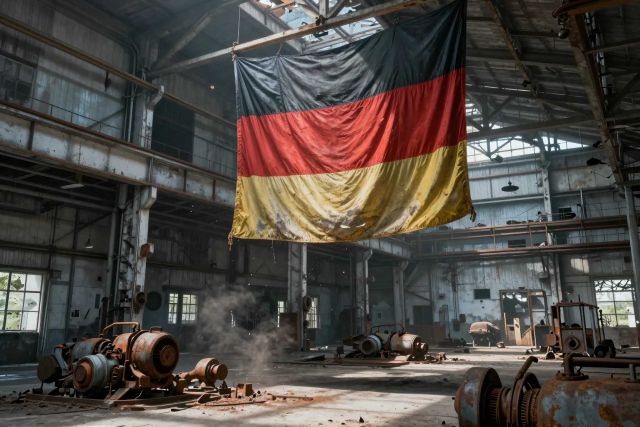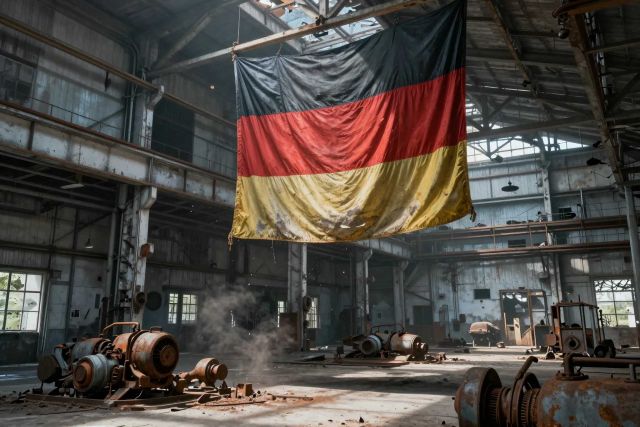
Hildegard Müller, head of the German Association of the Automotive Industry (VDA), said on Tuesday that Germany was “in the midst of a severe crisis” as a business destination. Her remarks accompanied a new VDA survey that highlights deepening unease among suppliers and smaller manufacturers.
The poll—carried out among 124 small and medium‑sized firms within the vehicle supply chain—reveals that 72% plan to reduce investment within Germany. This includes 28% intending to move spending abroad, 25% delaying investment plans, and 19% cancelling projects entirely. Müller emphasised that these choices are already filtering through to employment numbers.
Nearly two thirds of the companies surveyed said they had cut jobs in Germany over the past year, with 87% attributing this to competitive disadvantages. At present, almost half of respondents are trimming their German workforce, compared with only 7% making reductions at international sites.
German automotive suppliers have been battling dwindling orders, heightened global competition, and the demanding transition towards electric mobility and software‑centred engineering. Leading manufacturers such as Volkswagen and Mercedes‑Benz—alongside major suppliers including Bosch, ZF, and Aumovio—have announced significant job cuts as they restructure for the future.
Government data indicates that employment in the automotive sector has slumped to its lowest level since 2011.
Müller warned that the economic fallout would have social and political ramifications, noting that the far‑right Alternative für Deutschland (AfD) is increasingly appealing to workers who feel insecure about their jobs. The erosion of industrial activity, she said, threatens Germany’s broader prosperity and its political stability.
She voiced strong criticism of current EU proposals intended to support the shift to electric vehicles and greener manufacturing, arguing that the measures fall short of what Europe’s biggest car‑producing nation requires. Müller called for market‑based incentives rather than additional regulation from Brussels.
The VDA’s position reflects long‑standing demands from German carmakers, who have urged the EU to introduce greater flexibility in emissions and electrification targets as the industry adapts to rapid technological change.