The announcement underscores the intensifying rivalry between China’s rapidly expanding automakers and long‑established international players.
According to the company, one‑third of Geely’s total sales is expected to come from overseas markets by the end of the decade. By that time, the group projects its annual revenue will exceed R2.347 trillion, reflecting the firm’s growing international footprint and commercial momentum.
If achieved, the 2030 target would see Geely, the parent company of Volvo Cars, operating at a scale comparable to global industry leaders such as Hyundai Motor Group and Stellantis. The group also anticipates that combined annual sales across its brands, including Geely Auto, Zeekr, and Volvo, will surpass 4 million units by 2025, potentially ranking the firm seventh worldwide.
The company’s rise has already reshaped China’s domestic market. Geely overtook Volkswagen in national sales last year, embodying a broader trend of Chinese automakers setting bold international ambitions, especially in high‑growth regions like Southeast Asia and Latin America.
Competition is not limited to legacy manufacturers. Newer entrants, such as Leapmotor, barely a decade old, are also aiming high, with targets of becoming a top‑ten global automaker within ten years through expected annual sales of 4 million vehicles.
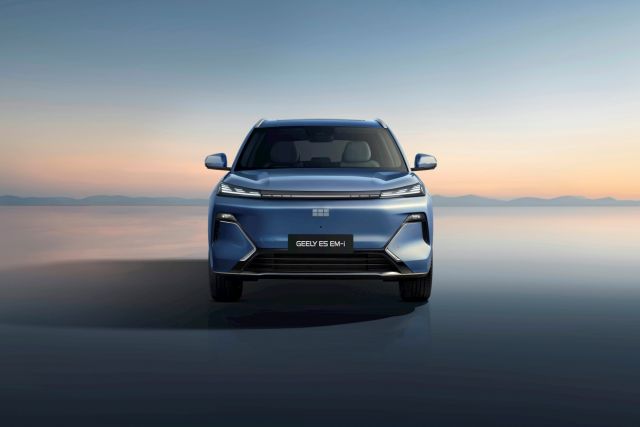
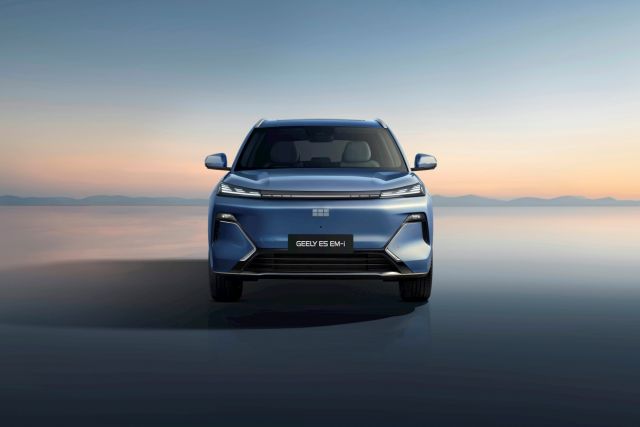
Central to Geely’s expansion plan is a significant investment in new energy vehicle platforms spanning A‑ to E‑class models. The company aims to accelerate research and development cycles while reducing production costs by more than 30% per model, enabling greater efficiency and competitiveness.
Geely is also deepening its collaborations with international manufacturers. Recent efforts include strengthened ties with Renault Group, focusing on jointly developing and producing vehicles using Geely’s advanced modular platforms for export markets.