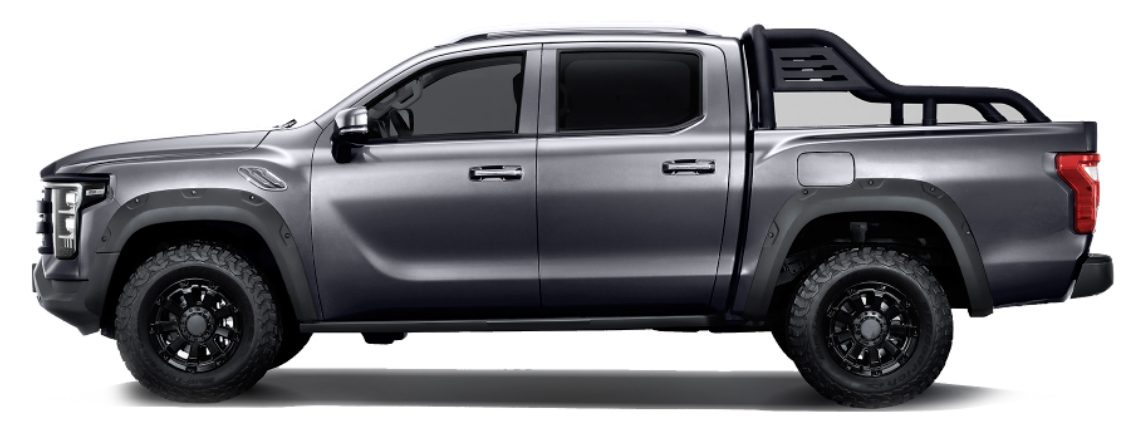
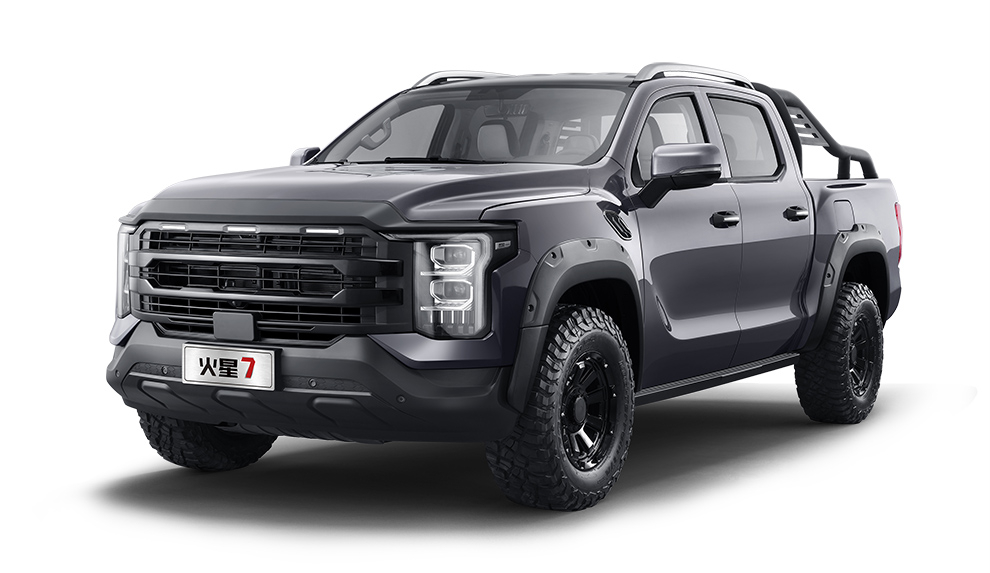
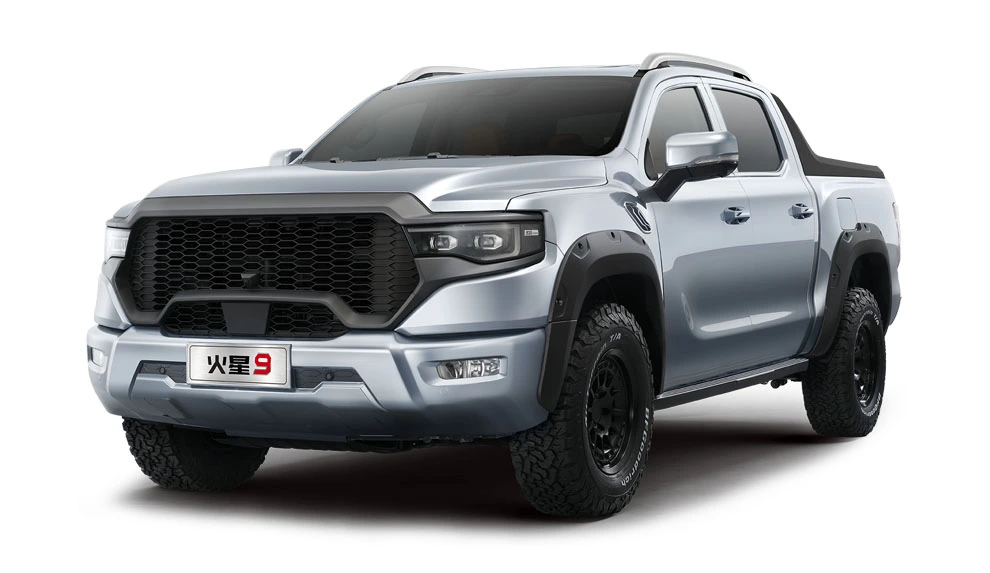
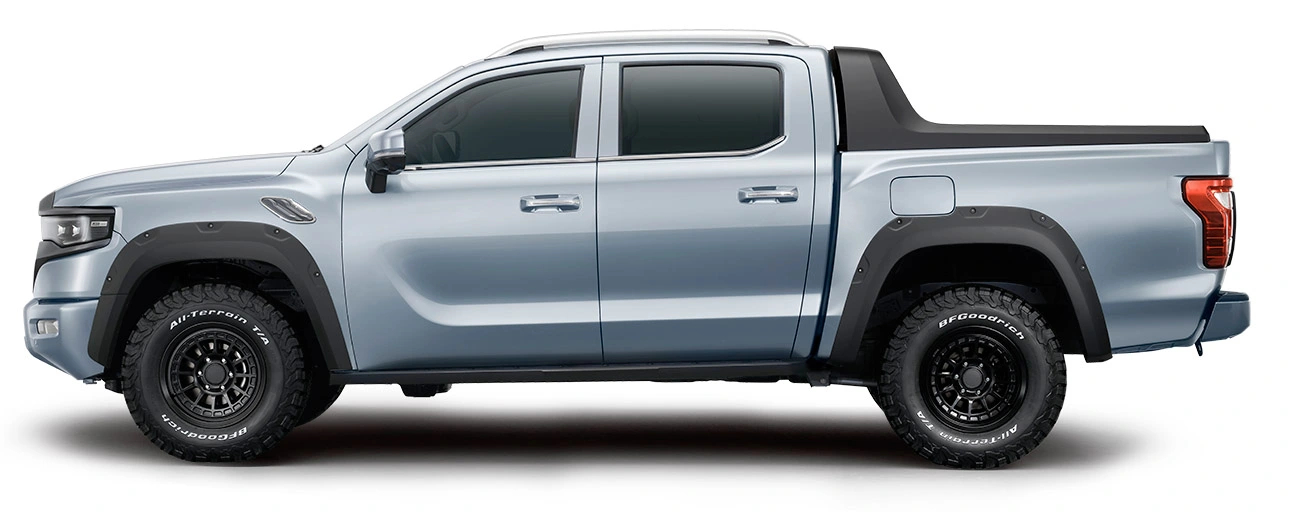
The first production-ready locally assembled Foton Tunland bakkies will be ready early next year and will form part of the brand’s drive to expand its footprint in Africa.
Share with friends
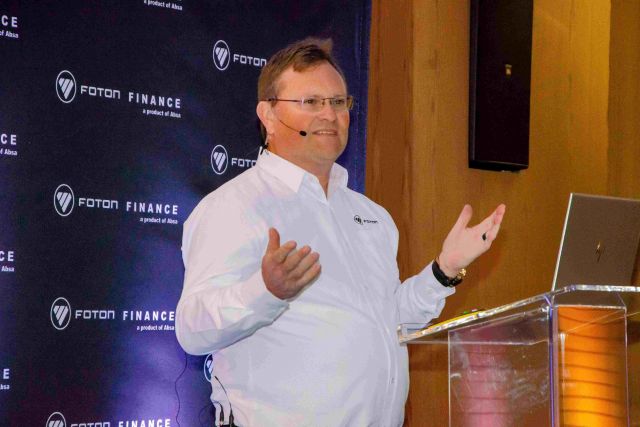
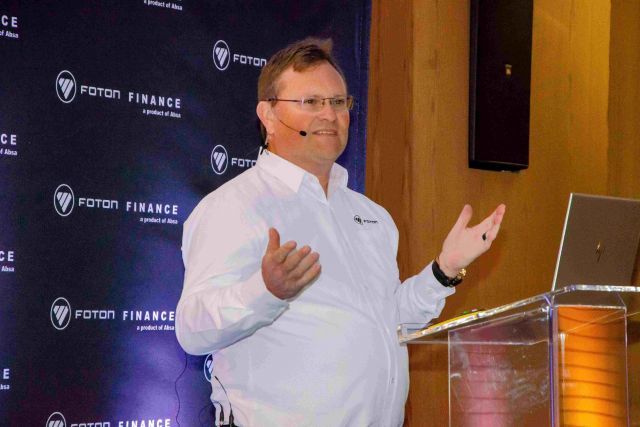
So says Marius Smal, CEO of Foton South Africa and Managing Director of Mandarin Parts Distributors, which handles parts distribution across the country through its established warehouses.
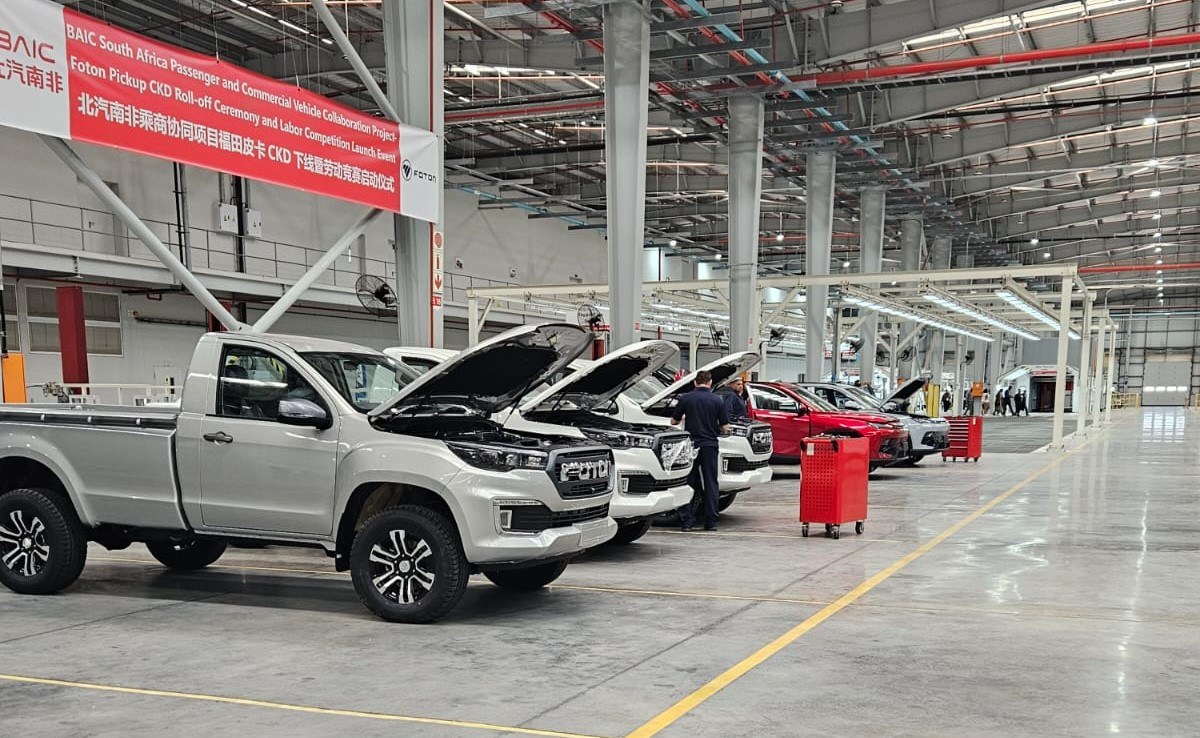
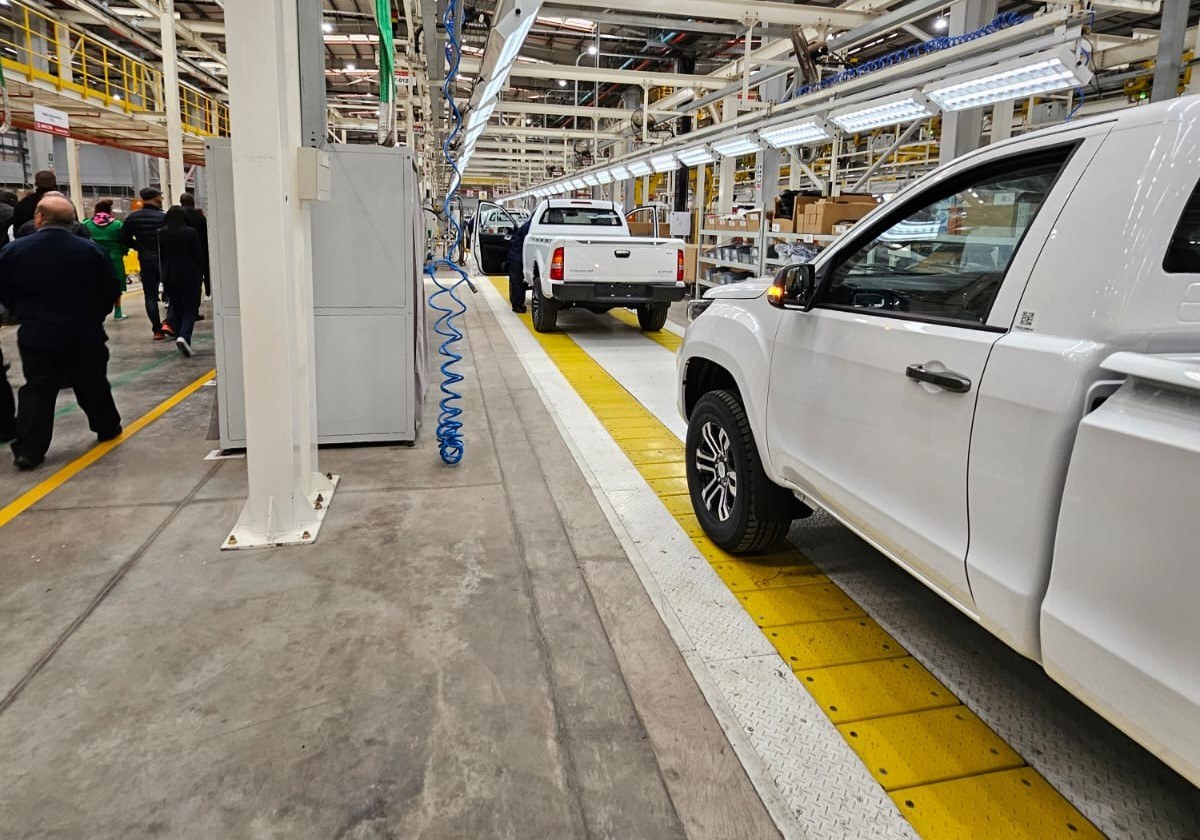
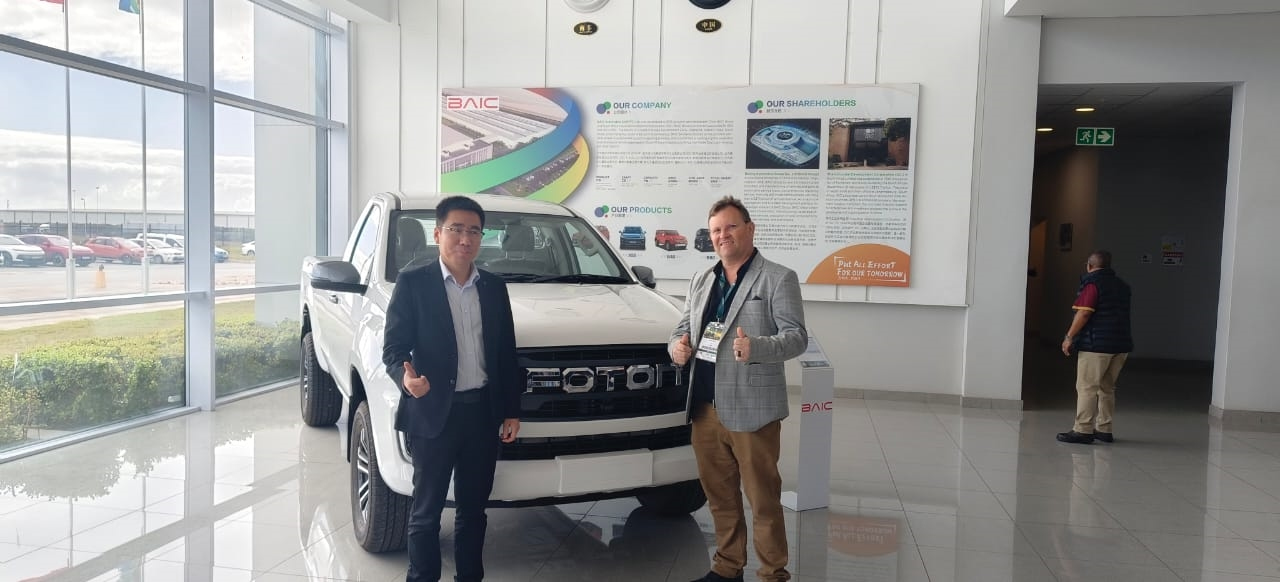
“Our plan to assemble Completely Knocked Down (CKD) Foton bakkies in BAIC’s new facility in Gqeberha in the Eastern Cape is progressing very well. BAIC has a 35% stake in Foton in China but operates separately.
“The Foton range assembled locally will expand with time, and between BAIC’s assembling of its new Sport Utility Vehicle (SUV), Foton SA’s Light Commercial Vehicles (LCV) and Foton Global’s Medium and Heavy Commercial Vehicles (MHCV), the aim is to roll out 10 000 units a year from the local plant,” Marius tells Dealerfloor.
This will give them access to the Automotive Production and Development Programme, a scheme to incentivise automotive manufacturing now in Phase 2 (APDP2). The incentives include customs duty rebates and cash grants to boost local production and employment in the motor industry.
Marius says although the medium and heavy vehicles from Foton have a good brand presence in Africa, it is not yet the case with the LCVs. The local assembly of the Foton bakkies, which will be kicking off with the G7 range, could in future include other ranges such as the Truckmate, Miler and minibus or panel van models.
In South Africa, Marius says the development of a dealer network progressed well during the past year. From an initial 40 dealerships, they now stand at 63, getting closer to a saturation point.
“There is great acceptance of the brand in South Africa, and last month we sold more than 400 vehicles, with more than half of the bakkies from our G7 range, single and double cabs. Our competitive pricing, good fuel economy, and the reliability of the Cummins engines and ZF gearboxes have seen the popularity of Foton grow. We are receiving increased interest from fleet operators, and we are getting repeat customers, which is always a good sign,” he tells Dealerfloor.
Marius says they will soon launch what they refer to as the new V range of bakkies. He did not want to expand on the new range as the launch is imminent. He concludes that he is very positive about all the developments and is looking forward to seeing the brand go from strength to strength in the country.
The V7 and V9 will give the brand a strong foothold against competitors’ top-end models in terms of fit and finish, luxury specifications, technology and comfort, with the V9 being the range-topper featuring a different suspension set-up from the V7 for greater comfort.
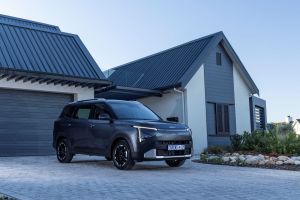
The Kia Carens nameplate makes its return to South Africa, this time as a seven‑seater designed with families in mind. It combines Sport Utility Vehicle (SUV) styling with Multi-Purpose Vehicle (MPV) practicality, offering space, comfort and efficiency, Kia says.
Volvo has confirmed that its vehicles will now integrate Google’s Gemini artificial intelligence system. This development builds on the company’s existing collaboration with Google, which already provides Android Automotive OS and Google services in Volvo models.
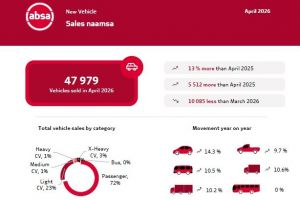
New vehicle sales in 2026 continued their positive trend in April, with the 47 979 units sold marking the best April figure since 2013. This represents a remarkable performance by local automotive retailers despite a host of economic headwinds and a challenging trading environment.
Volvo has confirmed that its vehicles will now integrate Google’s Gemini artificial intelligence system. This development builds on the company’s existing collaboration with Google, which already provides Android Automotive OS and Google services in Volvo models.
New vehicle sales in 2026 continued their positive trend in April, with the 47 979 units sold marking the best April figure since 2013. This represents a remarkable performance by local automotive retailers despite a host of economic headwinds and a challenging trading environment.
April 2026 marked a turning point in South Africa’s economic landscape, as global energy markets were jolted by escalating geopolitical tensions in the Middle East, according to naamsa | The Automotive Business Council.