

Springboks score tries in Nissan Navara Pro4X
Two leading Springbok rugby players, Aphelele Fassi and Jordan Hendrikse, have taken delivery of their new Nissan Navara Pro4X bakkies in Durban.
- Industry News
- 12 May 2026
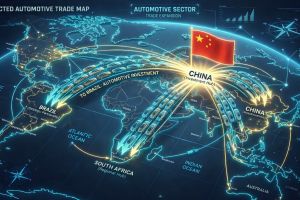
Foton has reached a significant milestone with the commencement of Completely Knocked Down (CKD) vehicle production at its manufacturing facility in Gqeberha, strengthening South Africa’s role in the company’s global manufacturing and export strategy.
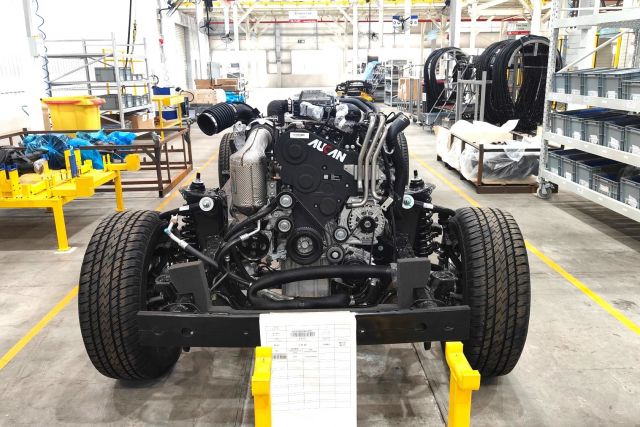
The project was established in alignment with China’s Belt and Road Initiative and South Africa’s Automotive Industry Development Plan (AIDP) 2035, supporting the localisation and development of advanced automotive manufacturing in the region, Foton says in a statement.
The Gqeberha facility in the Eastern Cape represents Foton’s first overseas vehicle manufacturing base, positioning South Africa as a strategic hub for production and exports. The plant is designed to serve the local market while expanding distribution into Africa, the Middle East, and Latin America.
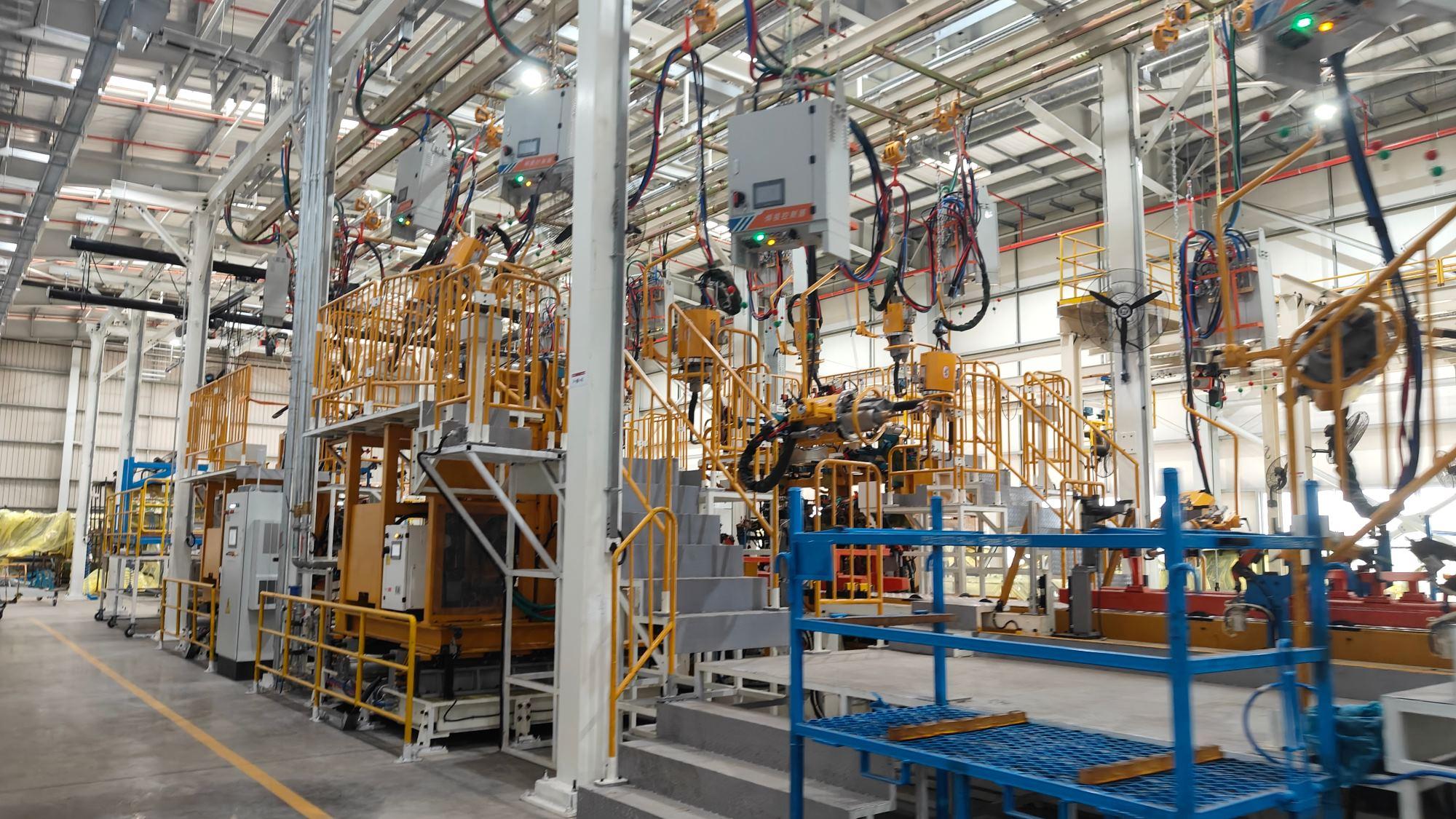
“The launch of CKD production at our Gqeberha facility represents a major milestone for Foton globally and for South Africa’s automotive industry,” says Marius Smal, CEO of Foton South Africa. “By establishing its first overseas manufacturing base in South Africa, Foton is expressing confidence in the country’s industrial capability, skilled workforce, and strategic importance as a gateway to regional and international markets.”
Construction of the facility began in 2016, and the project has since delivered meaningful economic impact within the Eastern Cape region.
To date, the plant has created more than 3 000 direct and indirect jobs within the local community and has supported over 150 local small and medium-sized enterprises (SMEs) through sub-packaging and supply chain activities.
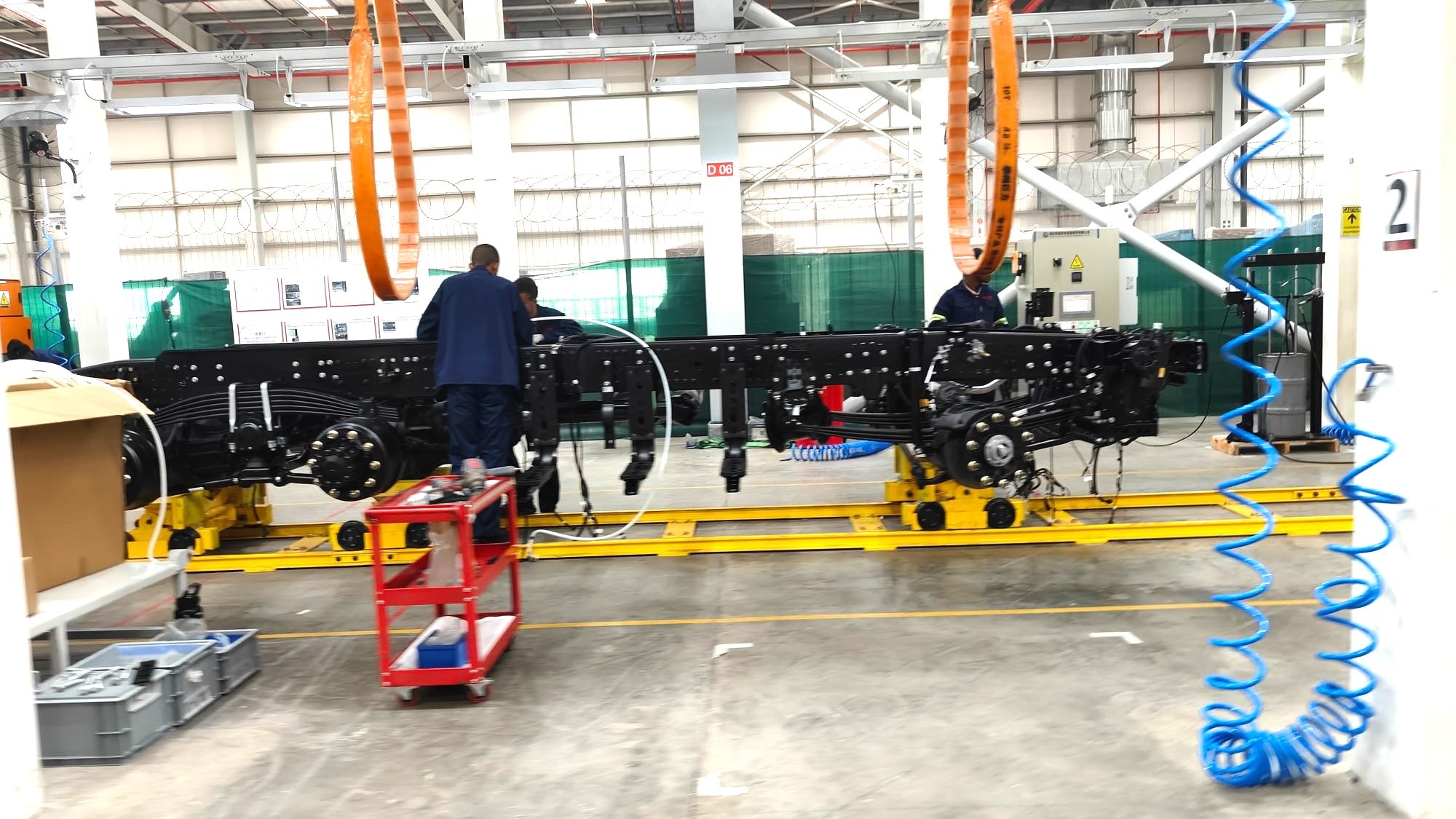
These initiatives contribute to strengthening South Africa’s automotive manufacturing ecosystem while supporting the objectives of the AIDP 2035, which aims to increase localisation and expand the country’s automotive production capacity.
“Beyond manufacturing vehicles, Foton’s investment is focused on building a sustainable automotive ecosystem that supports local suppliers, drives skills development, and contributes to long-term economic growth,” Marius adds.
With CKD production now operational, the facility manufactures a range of vehicles, including SUVs, pickup vehicles within the Tunland range, and commercial trucks.
The plant has an annual production capacity of approximately 50 000 vehicles, enabling scalable manufacturing for both domestic demand and export markets.
“As production expands, the Gqeberha facility will play an increasingly important role in Foton’s global manufacturing network,” Marius states. “South Africa’s established automotive industry and its position as a gateway to emerging markets make it an ideal base for future growth.”
Foton’s next phase will focus on expanding production, strengthening supplier partnerships, and increasing localisation as the facility continues to integrate into South Africa’s broader automotive manufacturing landscape.
Two leading Springbok rugby players, Aphelele Fassi and Jordan Hendrikse, have taken delivery of their new Nissan Navara Pro4X bakkies in Durban.

Dealership service departments know the pattern: the moment warranties and service plans expire; a portion of owners quietly migrate to the independent aftermarket.

Mercedes-Benz Vans South Africa announced its top-performing Agents and Dealers for 2025, recognising their exceptional dedication, customer service and commitment to the brand.
 Advertisement
 Advertisement
I have bad reflexes. I was once run over by a car being pushed by two guys
Woody Allen
Two leading Springbok rugby players, Aphelele Fassi and Jordan Hendrikse, have taken delivery of their new Nissan Navara Pro4X bakkies in Durban.

The Board of Management of Volkswagen Group Africa (VWGA) has appointed Dr Lungile Mashele as Non-Executive Director, effective 1 May 2026.
Brazil has climbed back to the top of the global league table for Chinese outbound investment, drawing 10.9% of the total in 2025, according to the Brazil-China Business Council.