

Springboks score tries in Nissan Navara Pro4X
Two leading Springbok rugby players, Aphelele Fassi and Jordan Hendrikse, have taken delivery of their new Nissan Navara Pro4X bakkies in Durban.
- Industry News
- 12 May 2026
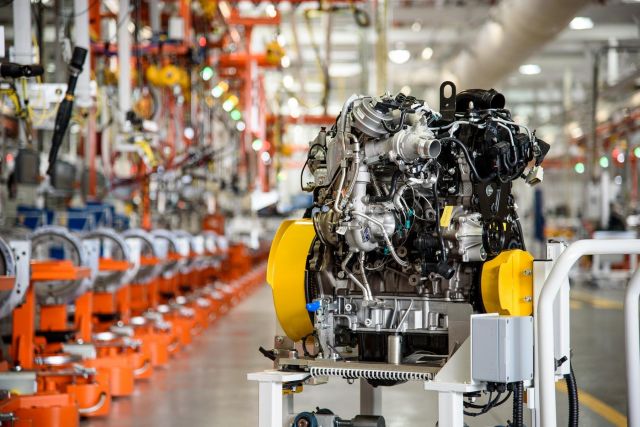
Ford’s Struandale Engine Plant in Nelson Mandela Bay has played an instrumental role in the success of the locally assembled Ford Ranger – both in South Africa and in the more than 100 markets it is exported to around the world.
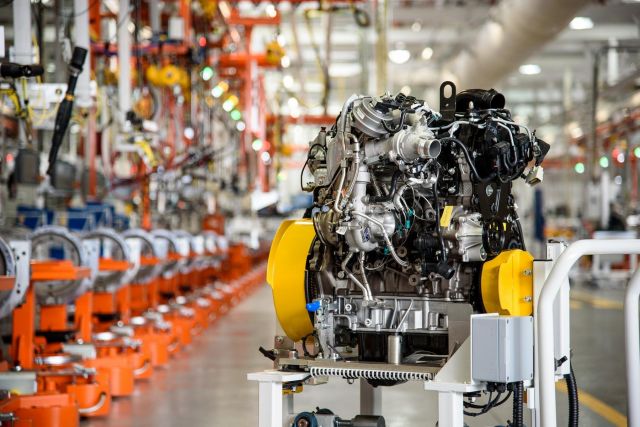
All the engines used in the Silverton-built Ford Ranger are proudly manufactured at the Gqeberha facility, using the latest technologies and advanced quality management systems to ensure the highest level of performance, reliability and durability that Ranger is renowned for, says Ford.
Seen here is a video that gives insight into the Struandale operation, which currently produces three different diesel engine programmes, comprising the powerful 3.0L V6 Diesel, the 2.0L Single Turbo and 2.0L Bi-Turbo Diesel, as well as the renowned 2.2L and 3.2L Duratorq TDCi.
Some interesting facts on the Struandale Engine Plant:
Two leading Springbok rugby players, Aphelele Fassi and Jordan Hendrikse, have taken delivery of their new Nissan Navara Pro4X bakkies in Durban.
Dealership service departments know the pattern: the moment warranties and service plans expire; a portion of owners quietly migrate to the independent aftermarket.

Mercedes-Benz Vans South Africa announced its top-performing Agents and Dealers for 2025, recognising their exceptional dedication, customer service and commitment to the brand.
 Advertisement
 Advertisement
I have bad reflexes. I was once run over by a car being pushed by two guys
Woody Allen
Two leading Springbok rugby players, Aphelele Fassi and Jordan Hendrikse, have taken delivery of their new Nissan Navara Pro4X bakkies in Durban.

The Board of Management of Volkswagen Group Africa (VWGA) has appointed Dr Lungile Mashele as Non-Executive Director, effective 1 May 2026.
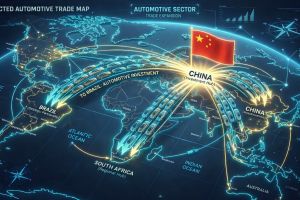
Brazil has climbed back to the top of the global league table for Chinese outbound investment, drawing 10.9% of the total in 2025, according to the Brazil-China Business Council.