

Lexus TZ electric SUV revealed
Lexus has introduced the all new TZ, a fully electric three row SUV that marks a significant step in the brand’s electrification strategy.
- Product News
- 14 May 2026
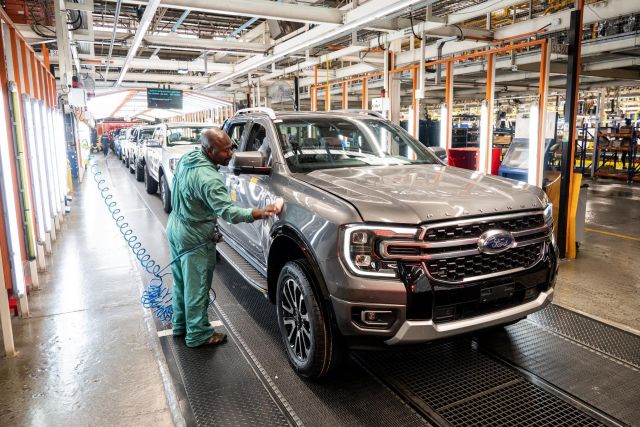
A million of anything is a huge number. Now imagine one million Ford Rangers being lined up bumper-to-bumper, starting at Ford South Africa’s Silverton Manufacturing Plant in Pretoria and heading due north through Africa.
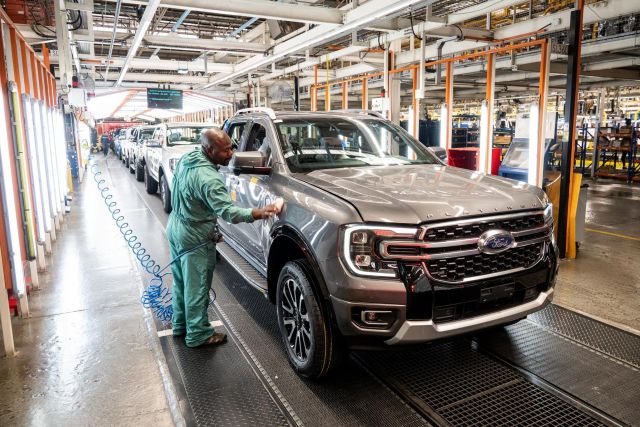
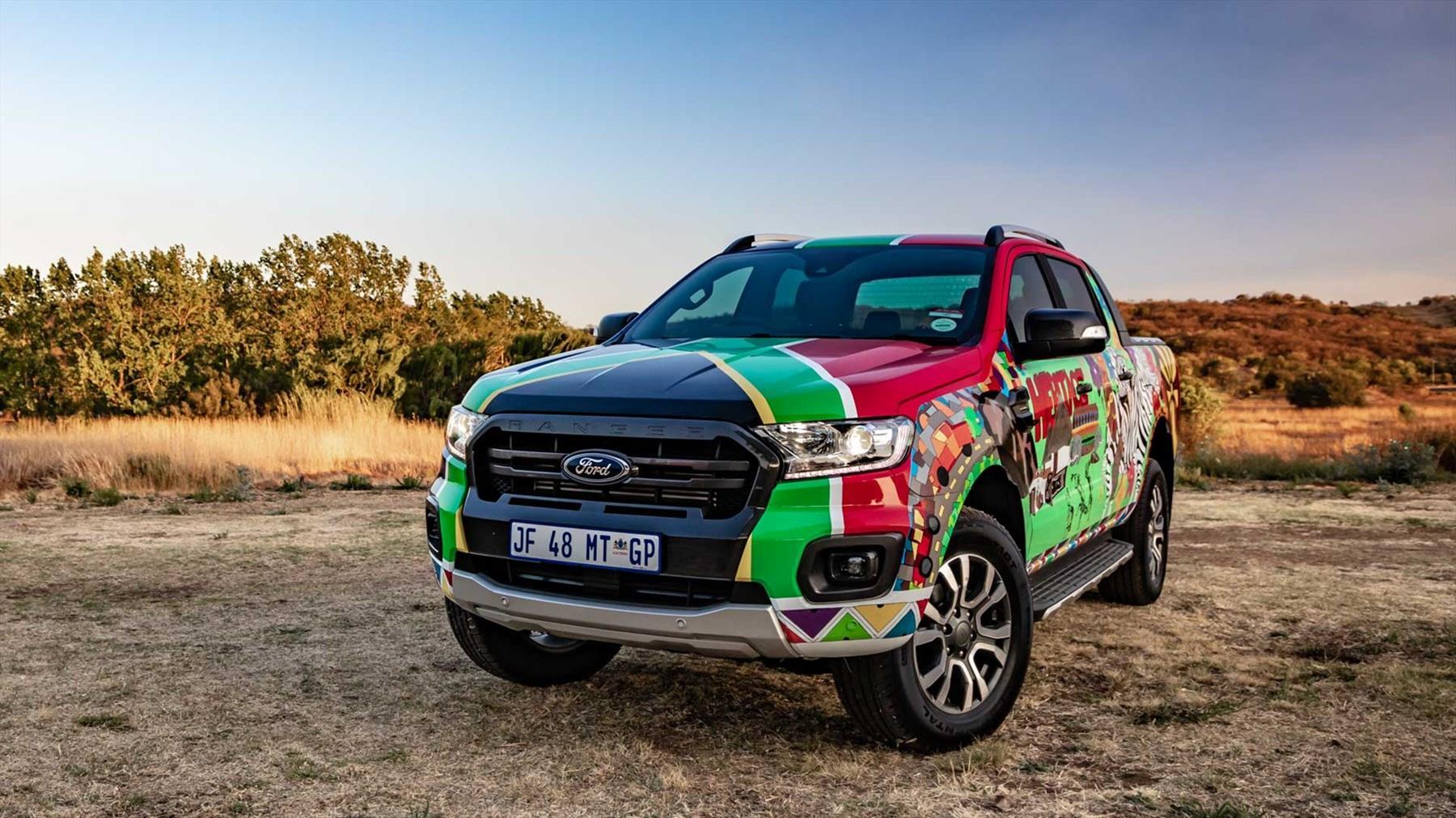
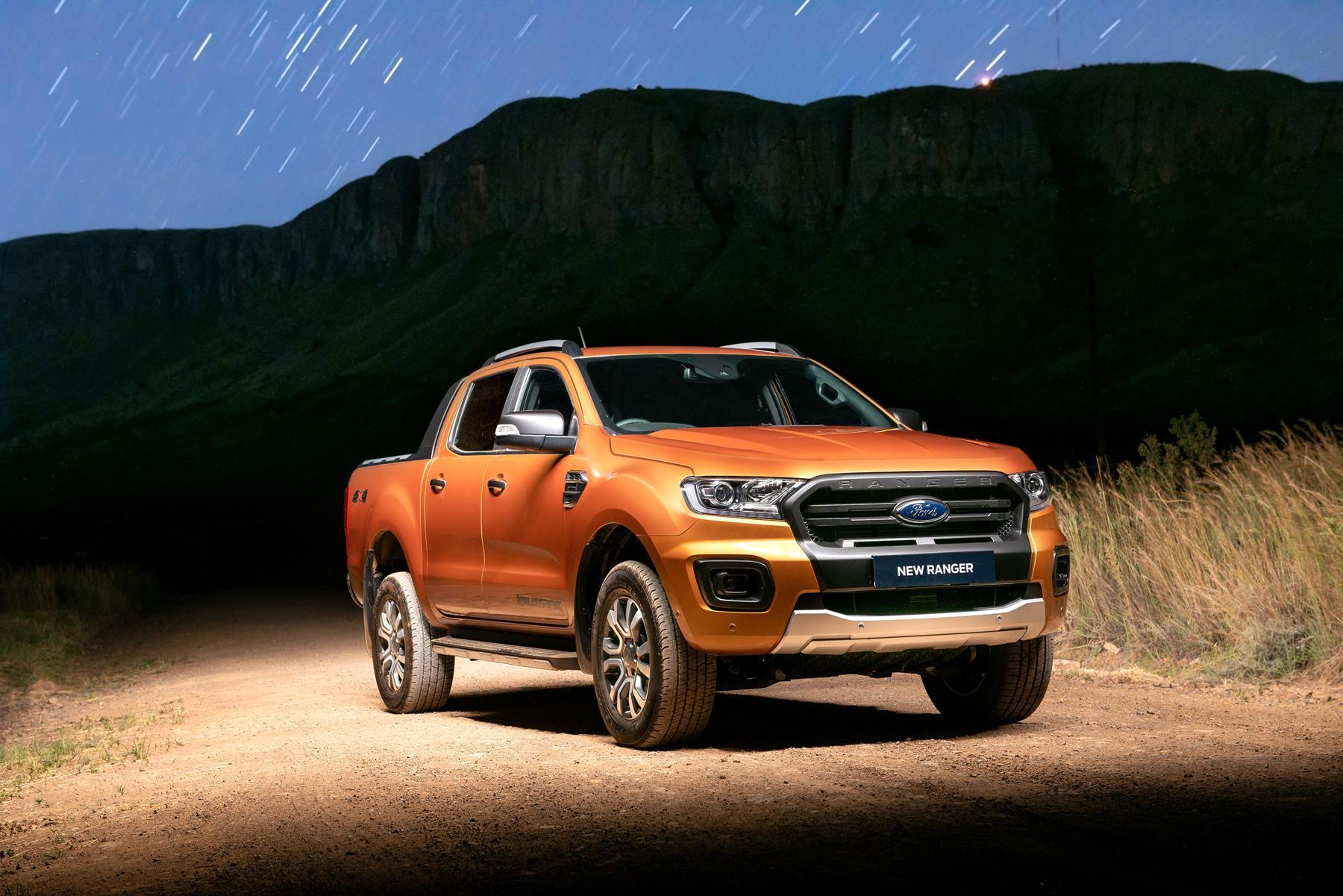
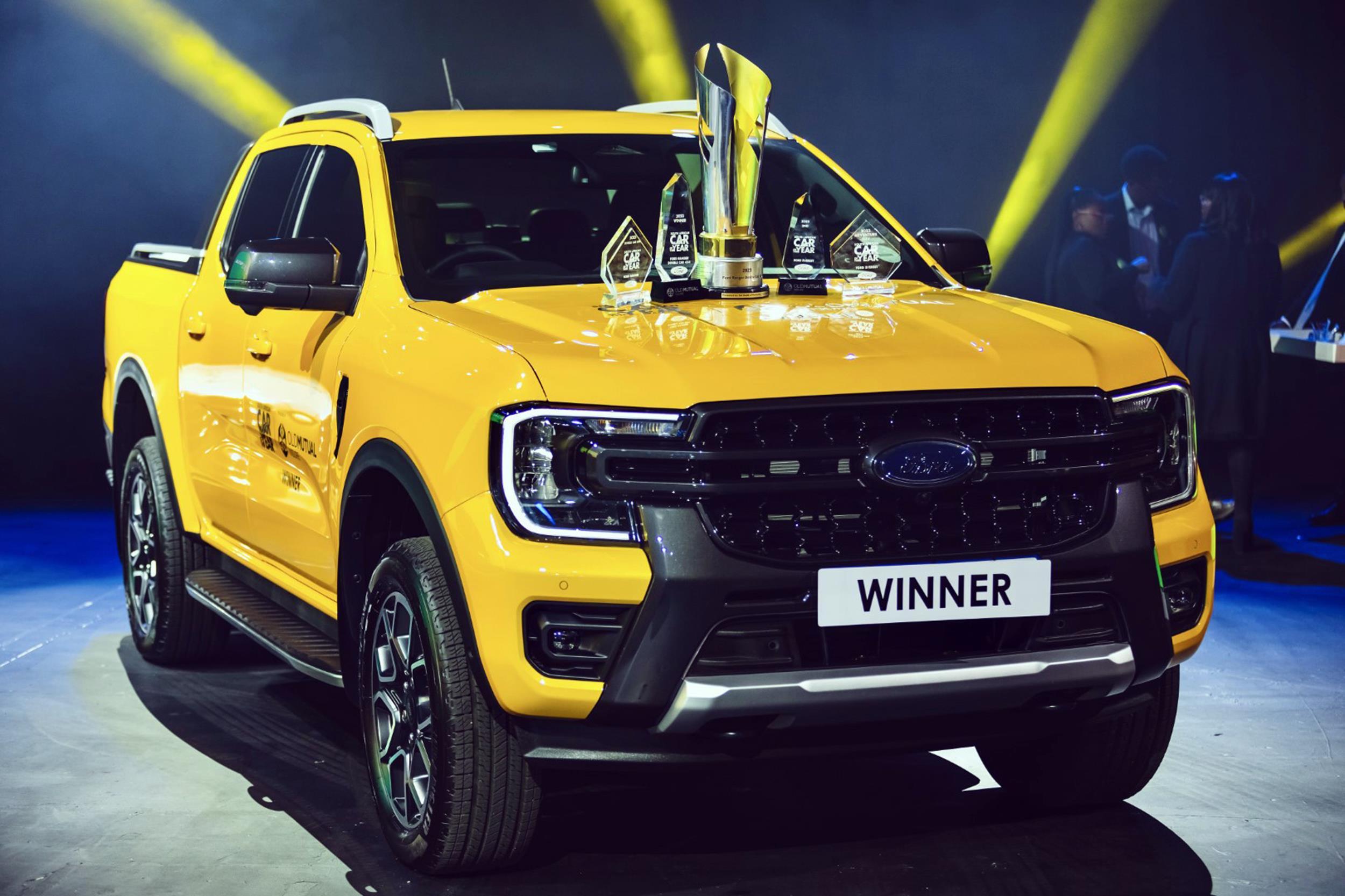
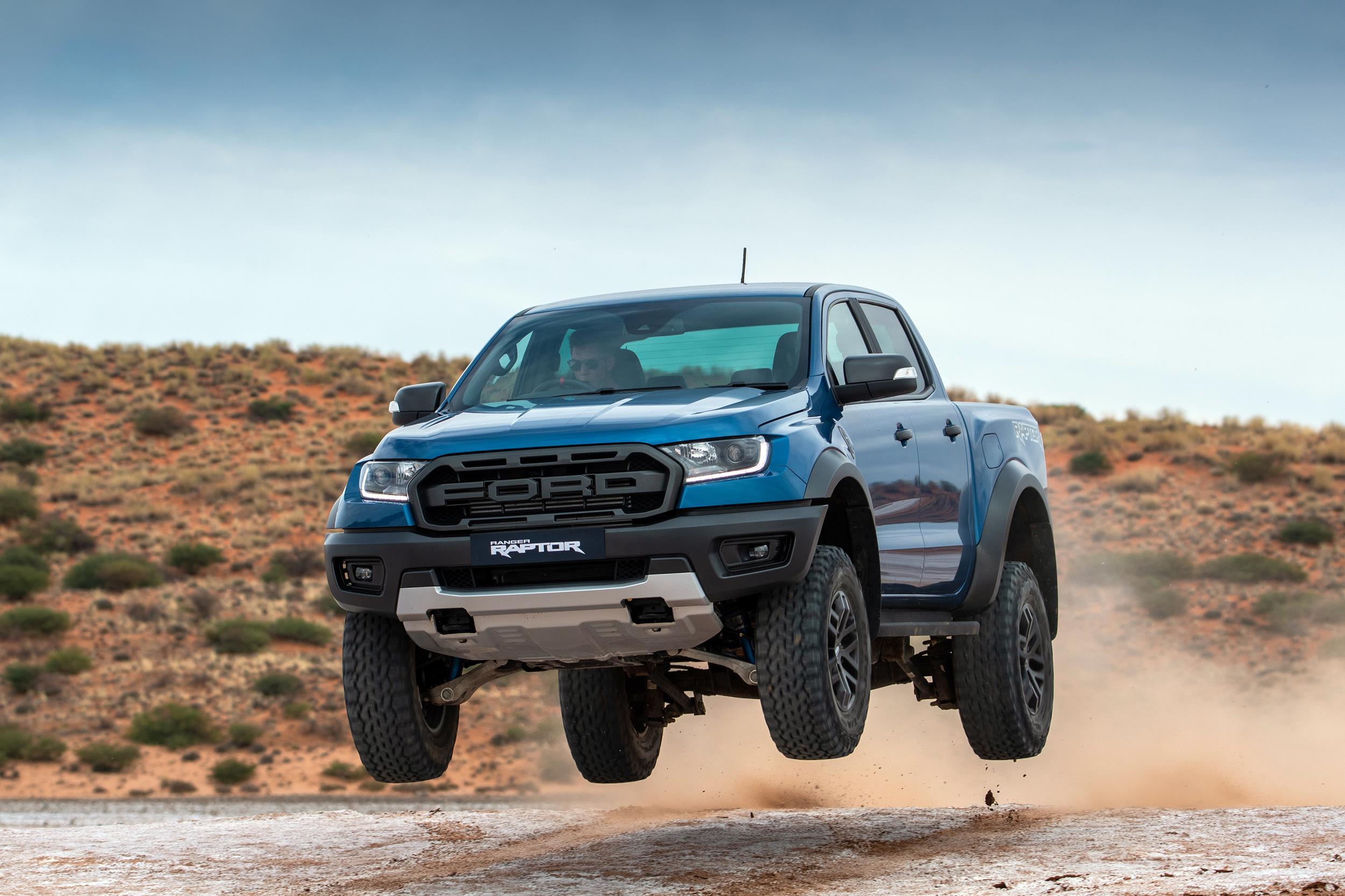
Ford’s segment-defining pick-ups, or bakkies in the South African vernacular, would reach all the way to Egypt’s southern border – some 5 300 km away.
That provides a rather mind-boggling visual representation of Ford’s latest milestone in the local production of the Ford Ranger over the past 24 years, as the Silverton plant celebrates the one-millionth unit, which recently came off its modern assembly line.
The Ranger’s legacy in South Africa encompasses three generations.
“It’s fitting that we celebrate reaching and now rapidly surpassing the one-millionth locally produced Ranger during Ford’s Centenary year in South Africa,” says Neale Hill, president, Ford Motor Company Africa. “Production of the first-generation Ranger commenced in 2000, which coincided with the official return of Ford Motor Company to South Africa.
“We have continued to invest extensively in our local operations at the Silverton Manufacturing Plant and the Struandale Engine Plant to expand Ranger production for the South African market and to support crucial exports to more than 100 global markets,” he says.
First generation:
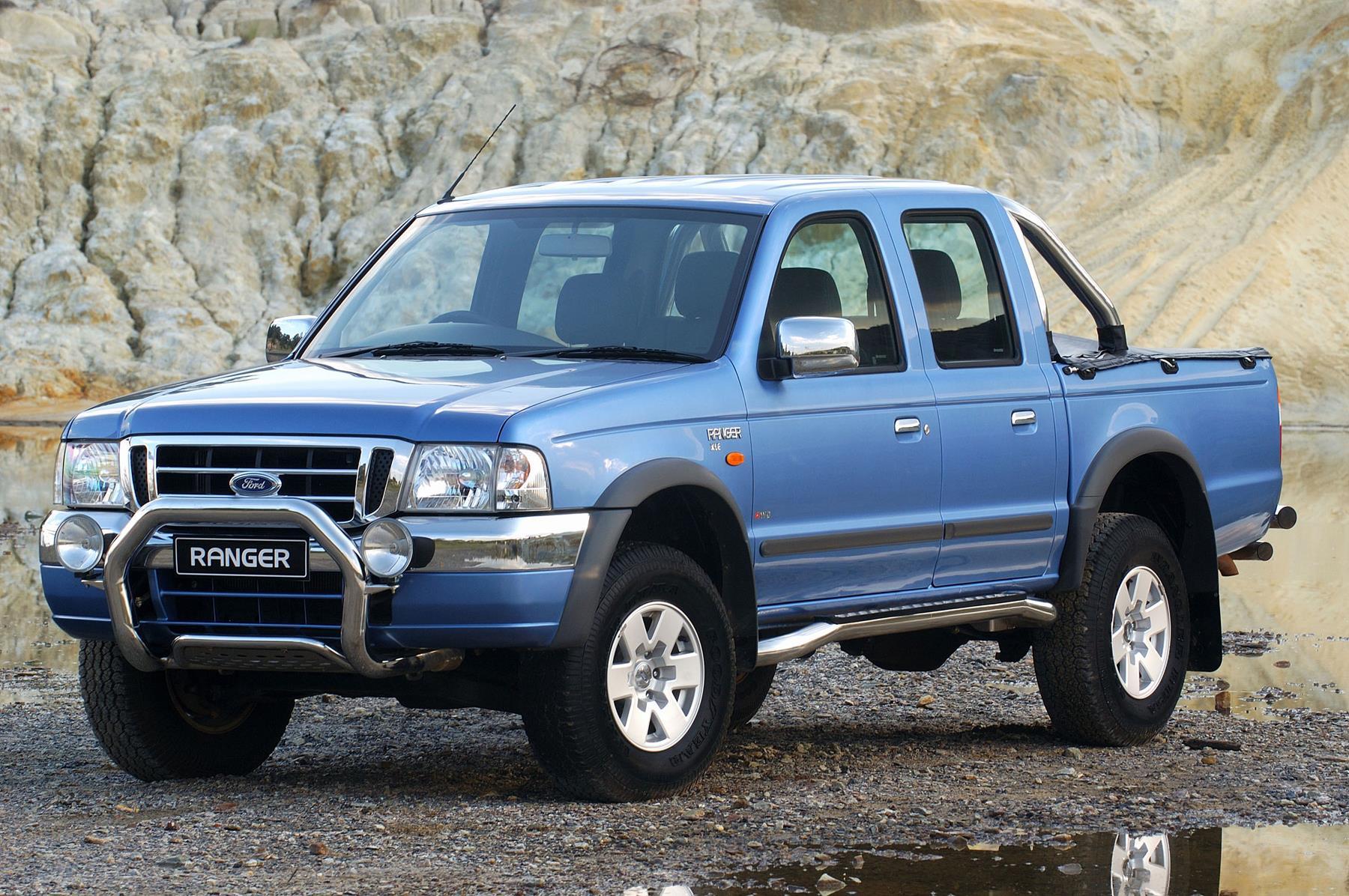
The first-generation Ranger was produced between 2000 and 2011, which included Ford South Africa’s first significant foray into export markets, which commenced in 2008, with right-hand drive and left-hand drive models shipped from the Silverton Manufacturing Plant to markets across Africa.
Production ended in late 2011 with more than 100 000 Rangers manufactured in what had been a multi-platform assembly facility, producing both passenger cars and light commercial vehicles.
Second generation:
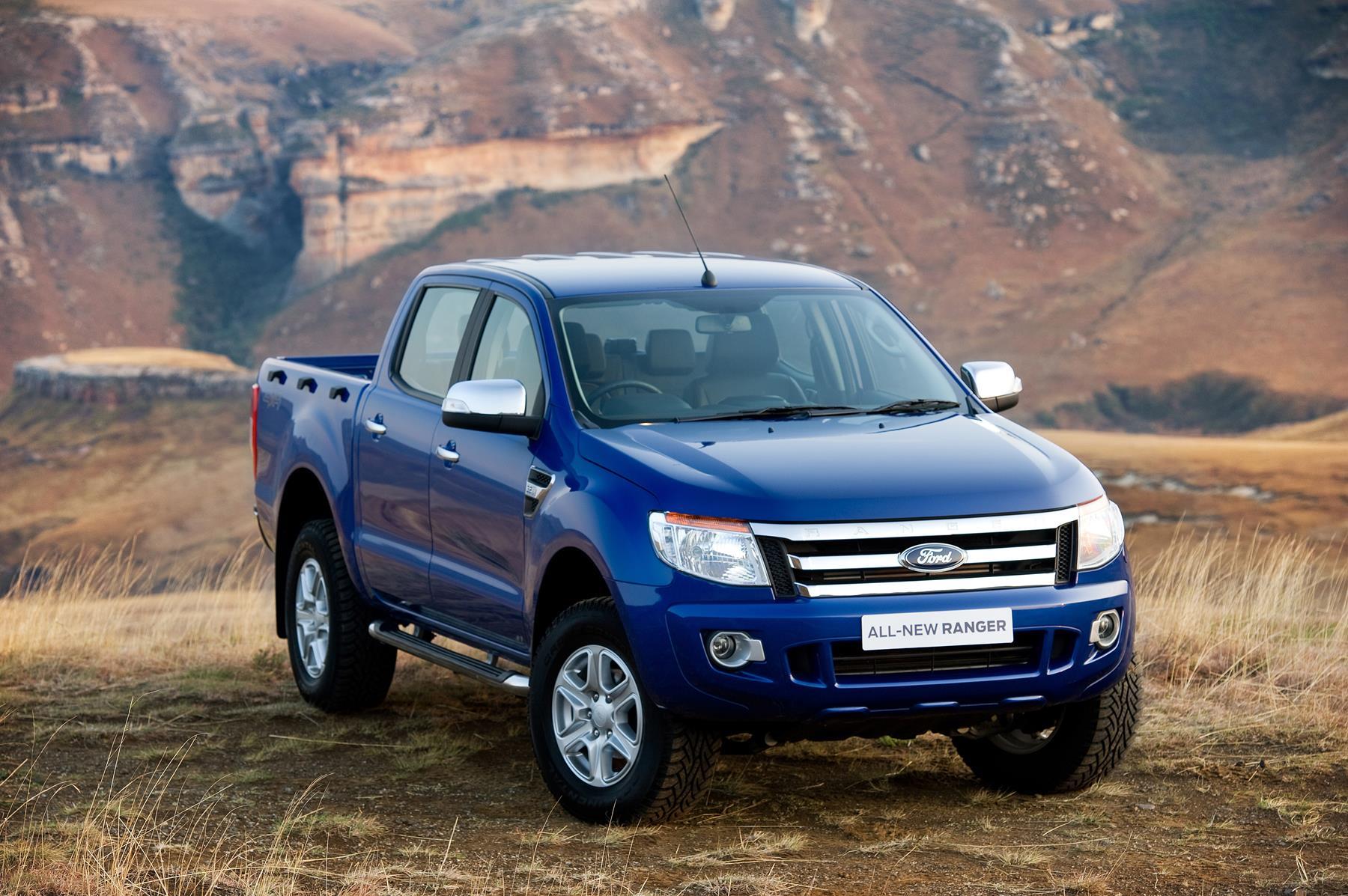
Production at the Silverton plant transitioned to a high-volume flexible single platform for the 2011 Ranger, with the global export programme at its core, and an initial installed capacity pegged at 110 000 vehicles a year.
This model also led to significant investments in the Struandale Engine Plant in Gqeberha for the component machining and assembly of the 2.2L and 3.2L Duratorq TDCi engines. The 2019 addition of 2-litre Single Turbo and Bi-Turbo diesel engines and the arrival of the groundbreaking first-ever Ranger Raptor, raised the ante even further.
The second-generation Ranger chapter drew to a close in November 2022 with a total of 873 751 units produced in South Africa – with around two thirds making their way to export markets.
Third generation:
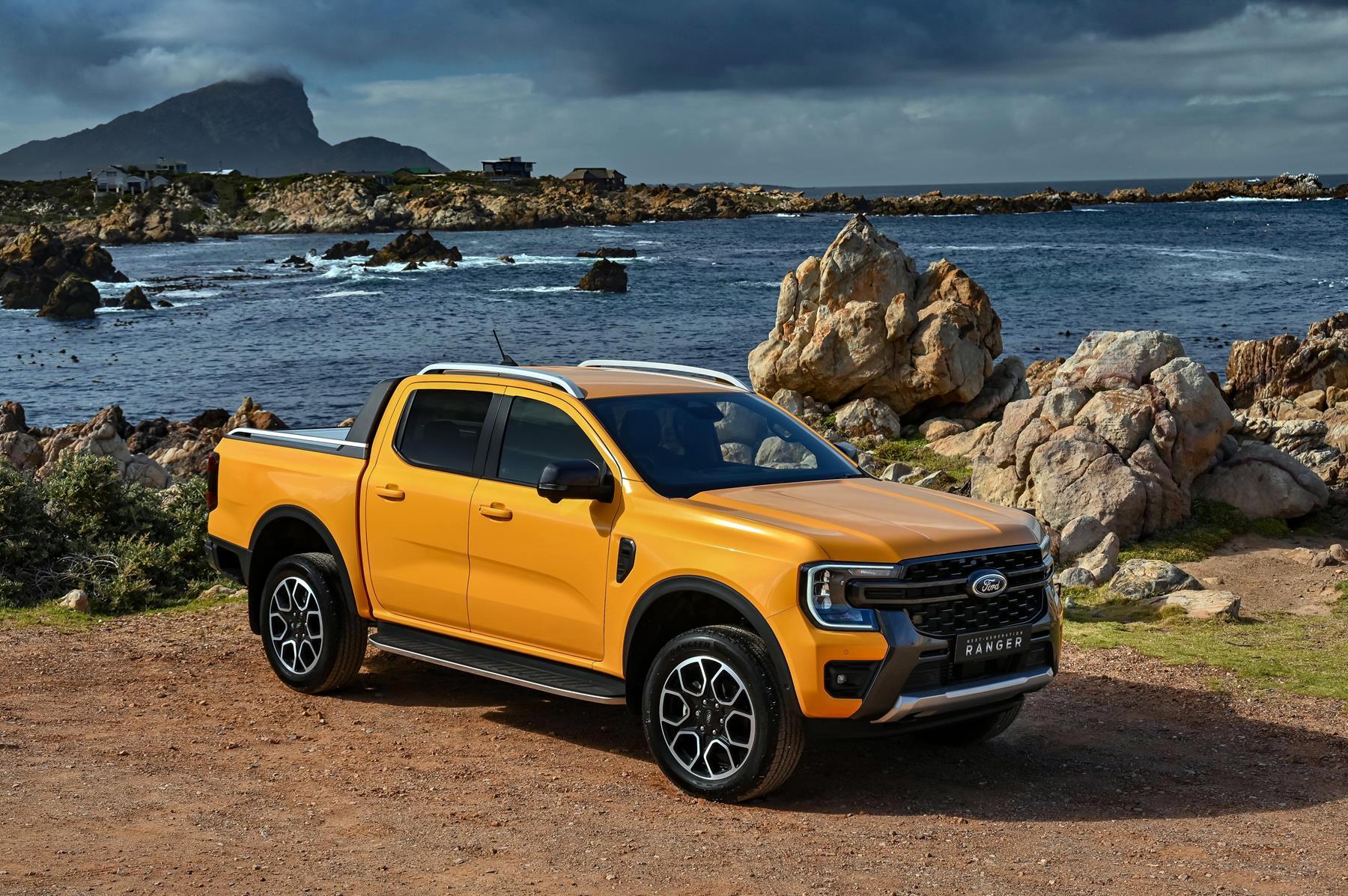
The launch of the third and current-generation Ranger at the end of 2022 followed a massive investment and expansion programme for the Silverton Manufacturing Plant to increase installed capacity to 200 000 vehicles a year – or 720 vehicles a day, which is the highest volume of any vehicle manufacturer in South Africa.
“To achieve these unprecedented volumes, we adopted a no-compromise approach. We constructed our first on-site Stamping Plant, built the only Ford-owned and operated Chassis Plant in the world, installed an all-new Body Shop and completely modernised the Ranger assembly line,” says Ockert Berry, Vice President Operations, Ford South Africa.
Having both great products and facilities are essential ingredients for success, but it’s the people that make it happen. “We currently employ around 5 200 people and support approximately 60 000 jobs in the total value chain,” Ockert says.
Lexus has introduced the all new TZ, a fully electric three row SUV that marks a significant step in the brand’s electrification strategy.
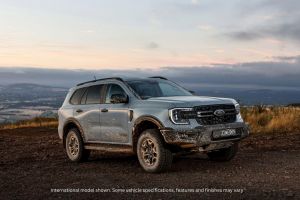
Ford South Africa will expand its Everest line-up in late 2026 with the arrival of the Everest Tremor. This new variant is positioned as a more off-road capable model, building on the success of the Ranger Tremor while retaining the refinement expected from the Everest range.
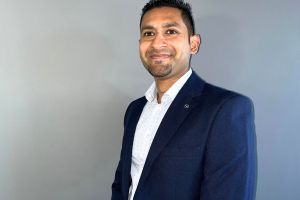
Mazda Southern Africa has promoted Kyron Pather to Head of Operations (Sales & Service). The appointment strengthens the company's operational leadership as it looks to improve performance across its dealer network and aftersales business.
 Advertisement
 Advertisement
You can't buy happiness but you can buy cars and that's kind of the same thing.
Unknown
Mazda Southern Africa has promoted Kyron Pather to Head of Operations (Sales & Service). The appointment strengthens the company's operational leadership as it looks to improve performance across its dealer network and aftersales business.
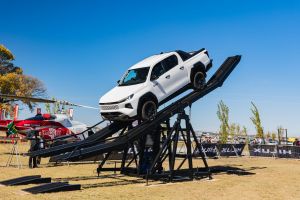
Nampo Harvest Day near Bothaville in the Free State has always been the place where South Africa’s farming community gathers to see the latest machinery and, importantly, new bakkies.

Two leading Springbok rugby players, Aphelele Fassi and Jordan Hendrikse, have taken delivery of their new Nissan Navara Pro4X bakkies in Durban.