

Lexus TZ electric SUV revealed
Lexus has introduced the all new TZ, a fully electric three row SUV that marks a significant step in the brand’s electrification strategy.
- Product News
- 14 May 2026
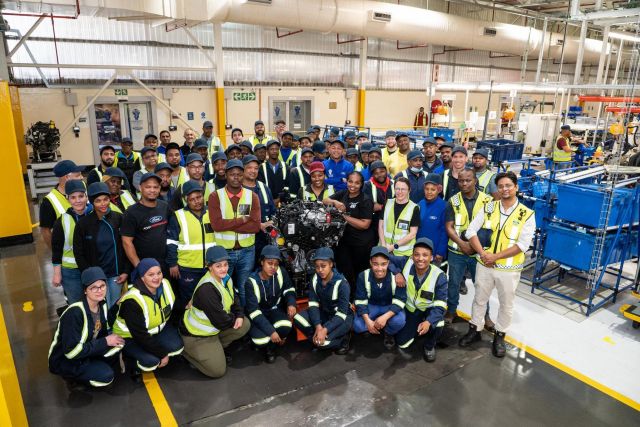
In preparation for the upcoming launch of the Next-Generation Ford Ranger later this year, the Ford Struandale Engine Plant in Gqeberha has commenced production of the latest generation of Ford engines.
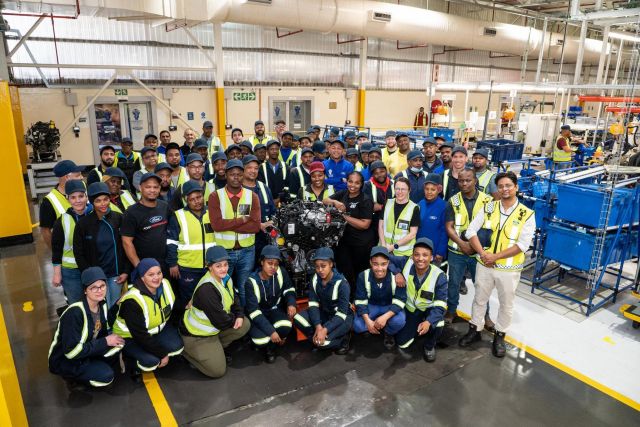
This forms part of Ford’s R600-million investment in the Struandale Engine Plant operations, which has also facilitated upgrades to the existing assembly line for the 2.0L Single Turbo and Bi-Turbo diesel engines. Design changes and additional derivatives of the engines have been added for the Next-Gen Ranger, which will be sold locally and exported to more than 100 global markets.
“The modernisation and upgrades to the Struandale Engine Plant began in July 2021, and the construction was completed on time in December, ready to begin our tooling trials and pre-production runs this year in preparation for Job 1 for both engine programmes commencing in August,” says Shawn Govender, Plant Manager of the Ford Struandale Engine Plant.
“In its updated and extended format, the assembly line that is now producing the new 3.0L V6 turbodiesel continues with production of the existing 2.2 and 3.2 Duratorq TDCi engines, making it the only facility of its kind in the Ford world that produces both V-configuration and in-line engines on the same line,” Shawn says.
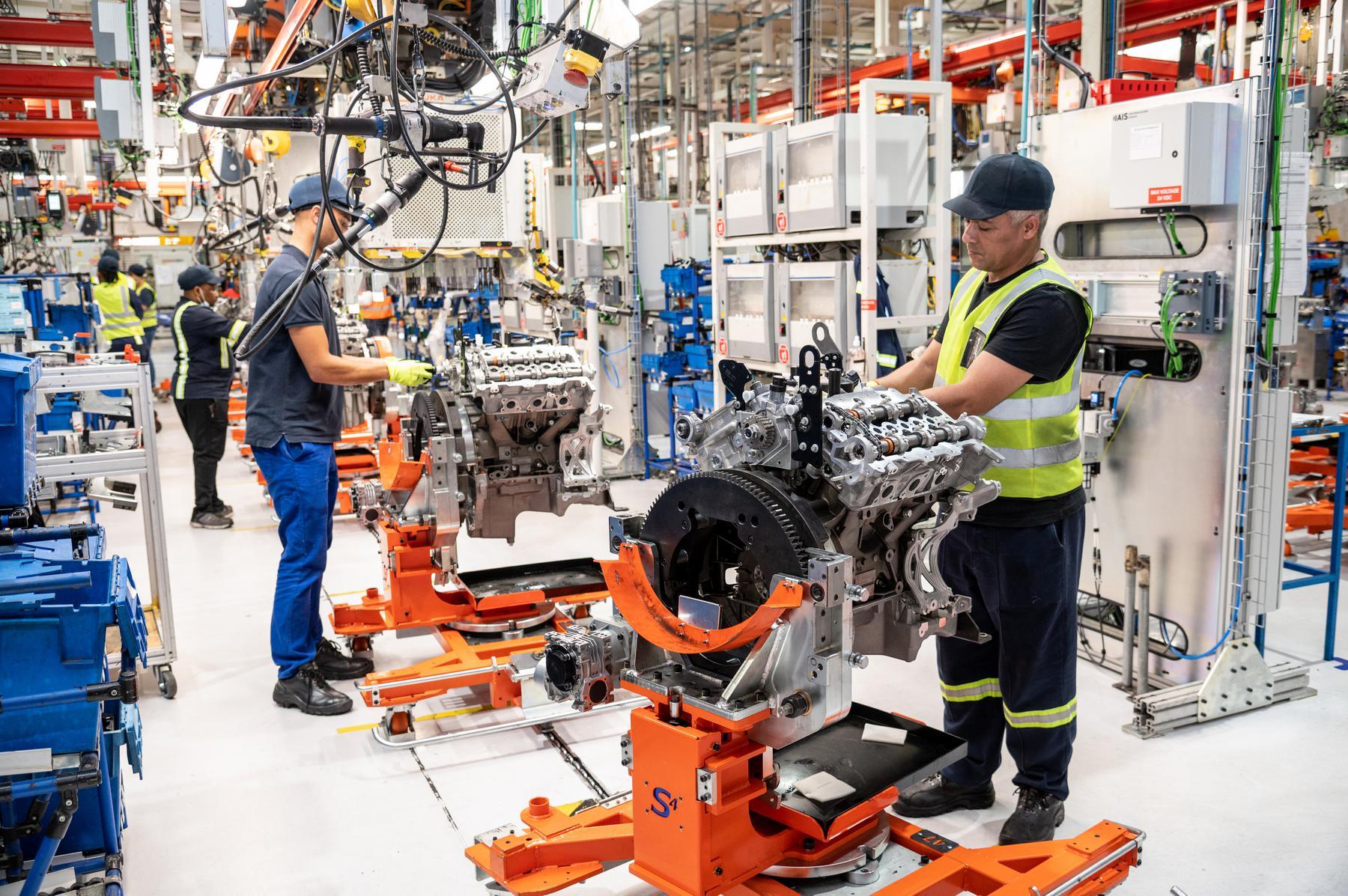
Relying on a flexible production format, with scheduled batches of the two different engine programmes being assembled, the line incorporates 40 stations that are common to both units and a further 25 stations that are unique to the 3.0L V6 Diesel. The total installed capacity for this line is 130 000 engines a year.
The Struandale Engine Plant is also responsible for machining the cylinder heads for the 3.0L V6 Diesel, which is performed in a completely revamped facility using new and redeployed machines that have been updated with the latest tooling, operating and quality control systems.
The R600-million Struandale Engine Plant investment introduced numerous changes for the latest versions of the 2.0L Single Turbo and 2.0L Bi-Turbo diesel engines that will be the core line-up for the Next-Gen Ranger. Around 23 design changes were implemented for the new application, while the number of derivatives produced on the dedicated assembly line for this engine programme has increased from nine to thirteen.
To support the increased demand for the 2.0-litre diesel engines, the plant has gone from the previous two shifts to 2.5 shifts, with a total installed capacity to produce up to 120 000 engines a year.
Lexus has introduced the all new TZ, a fully electric three row SUV that marks a significant step in the brand’s electrification strategy.

Ford South Africa will expand its Everest line-up in late 2026 with the arrival of the Everest Tremor. This new variant is positioned as a more off-road capable model, building on the success of the Ranger Tremor while retaining the refinement expected from the Everest range.

Mazda Southern Africa has promoted Kyron Pather to Head of Operations (Sales & Service). The appointment strengthens the company's operational leadership as it looks to improve performance across its dealer network and aftersales business.
 Advertisement
Advertisement
Advertisement
You can't buy happiness but you can buy cars and that's kind of the same thing.
Unknown
Mazda Southern Africa has promoted Kyron Pather to Head of Operations (Sales & Service). The appointment strengthens the company's operational leadership as it looks to improve performance across its dealer network and aftersales business.
Nampo Harvest Day near Bothaville in the Free State has always been the place where South Africa’s farming community gathers to see the latest machinery and, importantly, new bakkies.

Two leading Springbok rugby players, Aphelele Fassi and Jordan Hendrikse, have taken delivery of their new Nissan Navara Pro4X bakkies in Durban.