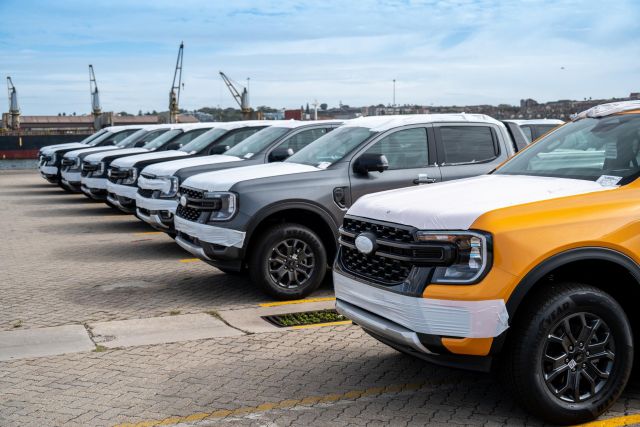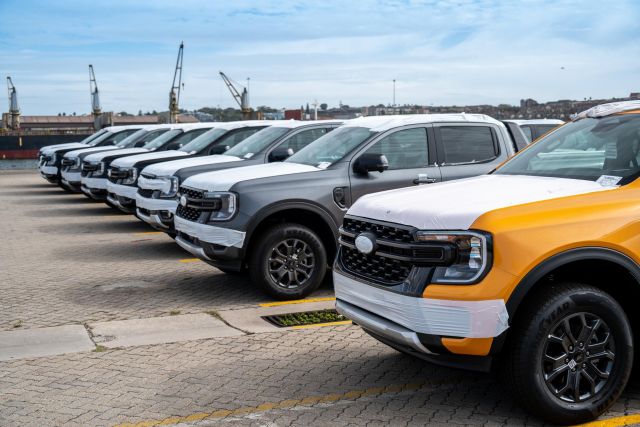
The cuts represent the latest blow to South Africa's embattled automotive sector, which has witnessed a wave of plant closures and layoffs as manufacturers grapple with weak domestic demand, rising imports and what industry leaders describe as hostile government policies.
Ford's retrenchments will hit hardest at the company's Silverton car assembly plant in Pretoria, where 391 operators face dismissal. The Struandale engine facility in Gqeberha will shed 73 positions, while 10 administrative staff will also be let go.
"Drastic steps" signal industry-wide alarm:
In confirming the job cuts, Ford Motor Company of Southern Africa cited the need to "optimise production and respond to evolving market demands". The company described the layoffs as necessary adjustments to its manufacturing operations.
But union officials warn the Ford announcement signals deeper trouble ahead for the entire sector. Willie Venter, Solidarity's deputy general secretary, characterised the job cuts as "drastic steps" that should serve as a red flag for policymakers.
"Economic pressures, international political uncertainties and the government's unfavourable policies are making the industry increasingly less competitive," Venter said. He predicted additional redundancies across the sector unless conditions improve rapidly.
The union leader placed responsibility squarely on government shoulders, arguing that "without serious intervention and economic reform, our country will have to endure even more job losses".
Sector haemorrhaging jobs and companies:
The Ford cuts underscore the scale of the crisis facing South African automotive manufacturing. Government data shows the sector has lost 12 companies and more than 4 000 jobs over just two years, driven by sluggish local sales, import competition and insufficient local content requirements.
The carnage threatens a sector that directly employs 115 000 people, including over 80 000 in component manufacturing alone. The industry's decline carries significant implications for South Africa's manufacturing base and employment levels.
Trade Minister Ebrahim Patel acknowledged the sector's struggles earlier this month, highlighting how low domestic sales of locally produced vehicles have combined with import pressures to destabilise manufacturers.
Major players unite behind policy push:
The severity of the crisis has prompted unprecedented cooperation among competitors, with South Africa's seven largest automakers joining forces to lobby for government intervention.
Toyota South Africa's CEO recently revealed that Ford, Volkswagen, Mercedes-Benz and other major manufacturers have jointly submitted policy recommendations to the trade ministry. The document reportedly outlines specific measures needed to support and protect local automotive production.
This collaborative approach reflects growing recognition that individual company strategies alone cannot address the systemic challenges facing the sector. Industry executives appear to be betting that coordinated pressure might finally spur the policy changes they argue are essential for survival.
Whether government will respond with the "serious intervention" demanded by union leaders remains to be seen, but the Ford job cuts suggest time is running short for South Africa's automotive manufacturing ambitions.