
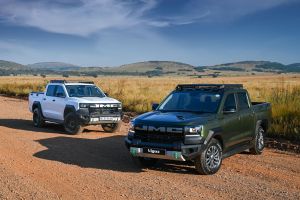
New JMC Vigus will make an impression
Following the official brand re-launch by the Salvador Caetano Group, JMC South Africa announce the arrival of the All-New JMC Vigus.
- Product News
- 17 April 2026
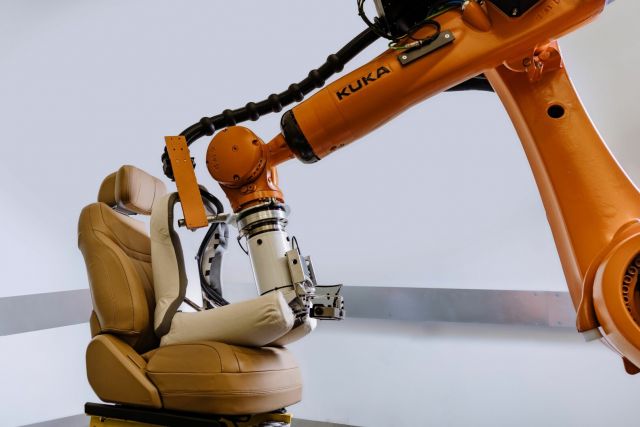
JLR has revealed its rigorous seat testing regime, with four dedicated robots – KUKA Occubots – each simulating a decade of sitting, moving and twisting in a matter of days to ensure the company’s luxury vehicle clients are sitting comfortably.
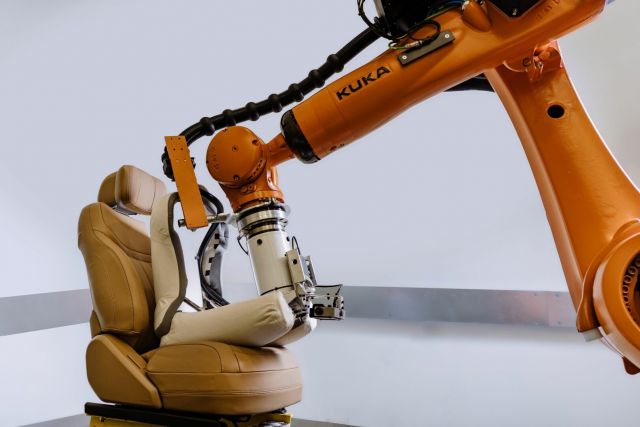
In recognition of the importance of comfort and convenience, which are the foremost features when deciding to buy a vehicle according to a recent survey commissioned by JLR of over 2 000 luxury and premium SUV clients, the robots test a range of different foams and coverings for quality, safety and comfort.
The robots can exert forces of more than 800 Newtons (N) (approximately 82kg) on each seat design 25 000 times over a period of around five days, simulating movements akin to people of varying body shapes and weights entering a vehicle and sitting in one of its seats.
But it is not just the act of sitting that JLR tests for, as the Occubots also review the resilience of the vehicles’ heated seats. Across 20 000 cycles over 25 days, a robot reenacts actions such as sliding and twisting in the seat, applying huge forces ranging from 350N to 700N to ensure the heated seat is robust and will remain operational throughout a vehicle’s lifespan.
Integrated sensors in the robot track torque hundreds of times per second to ensure forces are maintained during different tests, while a camera communicates with the Occubots to take regular photos to operate 24/7, independently reviewing progress and investigating failures.
The robots, which also test how quickly foam recovers its shape following pressure from different body types, form part of just one of JLR’s virtual and physical testing environments dedicated to delivering the next generation of safe, reliable, luxury vehicles from the Range Rover, Defender, Discovery and Jaguar brands.
Thomas Mueller, JLR Executive Director, Product Engineering, says: “Settling into your seat is one of the first experiences when you enter one of our vehicles. Comfort is critical to luxury, so it’s a make-or-break moment for our clients and they expect a consistently comfortable ride over the life of their vehicle.
“We’ve invested in robots to work alongside our expert engineers and rigorously test every aspect of our seat materials in super quick time. Automation like this is a vital part of our comprehensive vehicle quality component testing programme, which helps us review vehicle elements over a lifetime of usage and in the most extreme environments.”
JLR’s investment into virtual testing forms part of the luxury vehicle manufacturer’s wider £18bn Reimagine strategy, with Gaydon home to a wide range of testing facilities, including vehicle simulators, cold weather climate chambers and a semi‑anechoic chamber.
JLR’s Gaydon head office also features 52 kilometres of tarred test track, off‑road courses, speed bumps and manhole covers, allowing engineers to put each JLR vehicle through a range of physical testing regimes that mimic real world conditions.
Following the official brand re-launch by the Salvador Caetano Group, JMC South Africa announce the arrival of the All-New JMC Vigus.
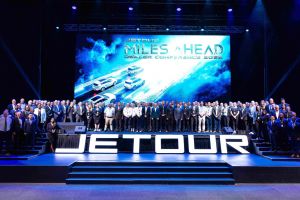
Jetour South Africa hosted its inaugural Dealer of the Year Awards on Tuesday night, bringing together its national dealer network of nearly 60 dealerships.
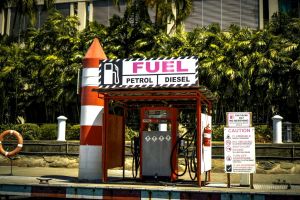
South Africa’s motorists and automotive sector are facing a fresh layer of uncertainty as the Middle East conflict continues to disrupt global oil markets, but for now the country’s fuel supply remains stable even as costs rise.
 Advertisement
 Advertisement
You can't buy happiness but you can buy cars and that's kind of the same thing.
Unknown
South Africa’s motorists and automotive sector are facing a fresh layer of uncertainty as the Middle East conflict continues to disrupt global oil markets, but for now the country’s fuel supply remains stable even as costs rise.

Stellantis has struck a five year strategic partnership with Microsoft as it accelerates its shift towards software defined vehicles and digital services.
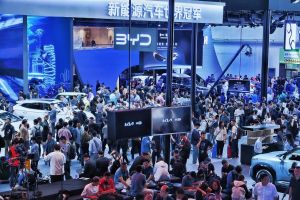
Auto China 2026 marks another milestone in the evolution of an event that has tracked China’s rise from emerging market to global automotive powerhouse.