
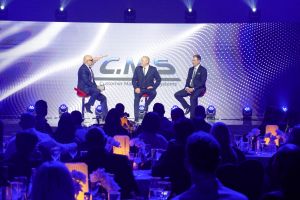
CMS Systems marks 25 years in automotive retail technology
CMS Systems is celebrating 25 years in business, marking a significant milestone for a company that has become a central player in automotive retail technology.
- Industry News
- 24 April 2026
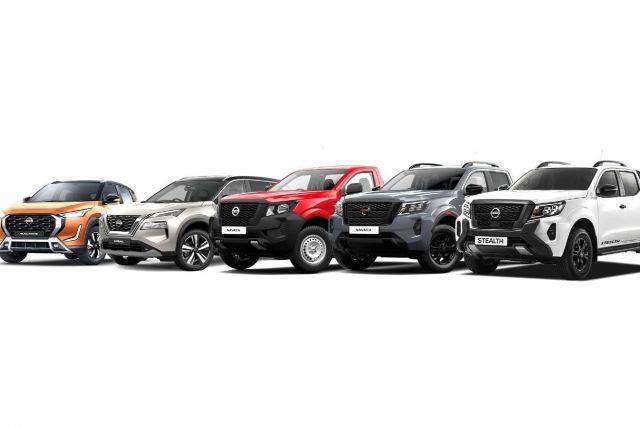
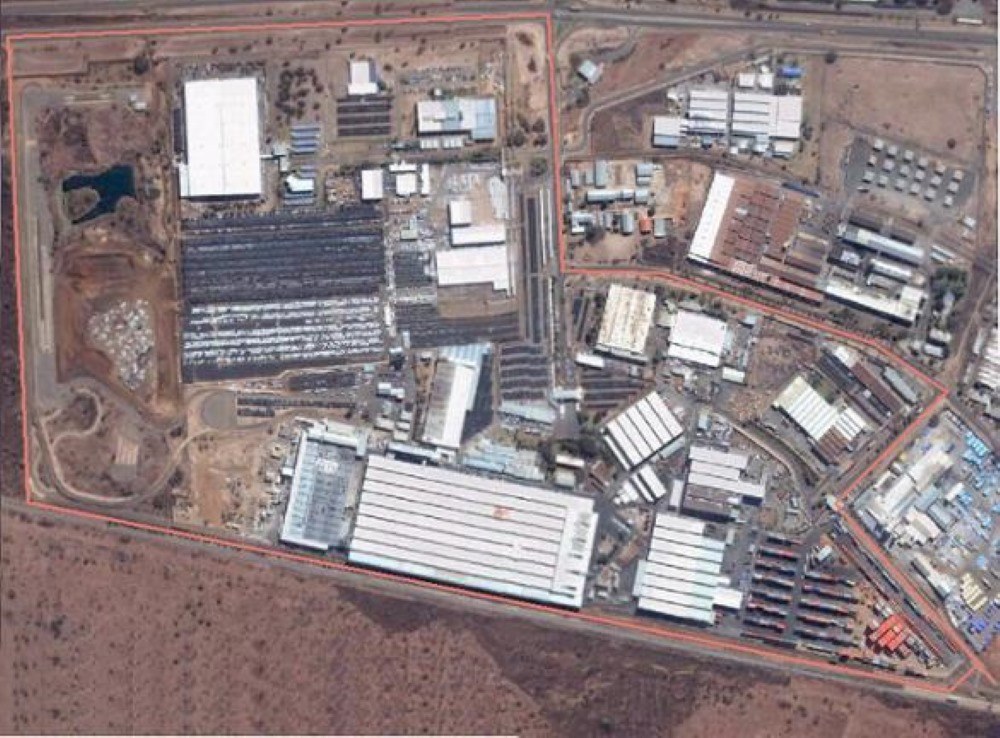
A history of local vehicle manufacturing comes to an end with Nissan’ South Africa’s announcement that it is selling its Rosslyn plant in Pretoria to Chery.
(https://dealerfloor.co.za/industry-news/nissan-to-sell-rosslyn-plant-to-chery)
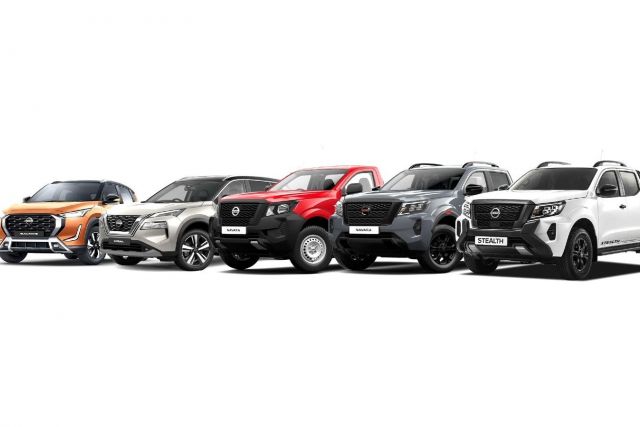
No more locally build Nissans. Going forward all Nissans will be imported. After the demise of the popular small bakkie, the Nissan NP200, it was only the Navara bakkie that was built in Rosslyn for the local and export markets.
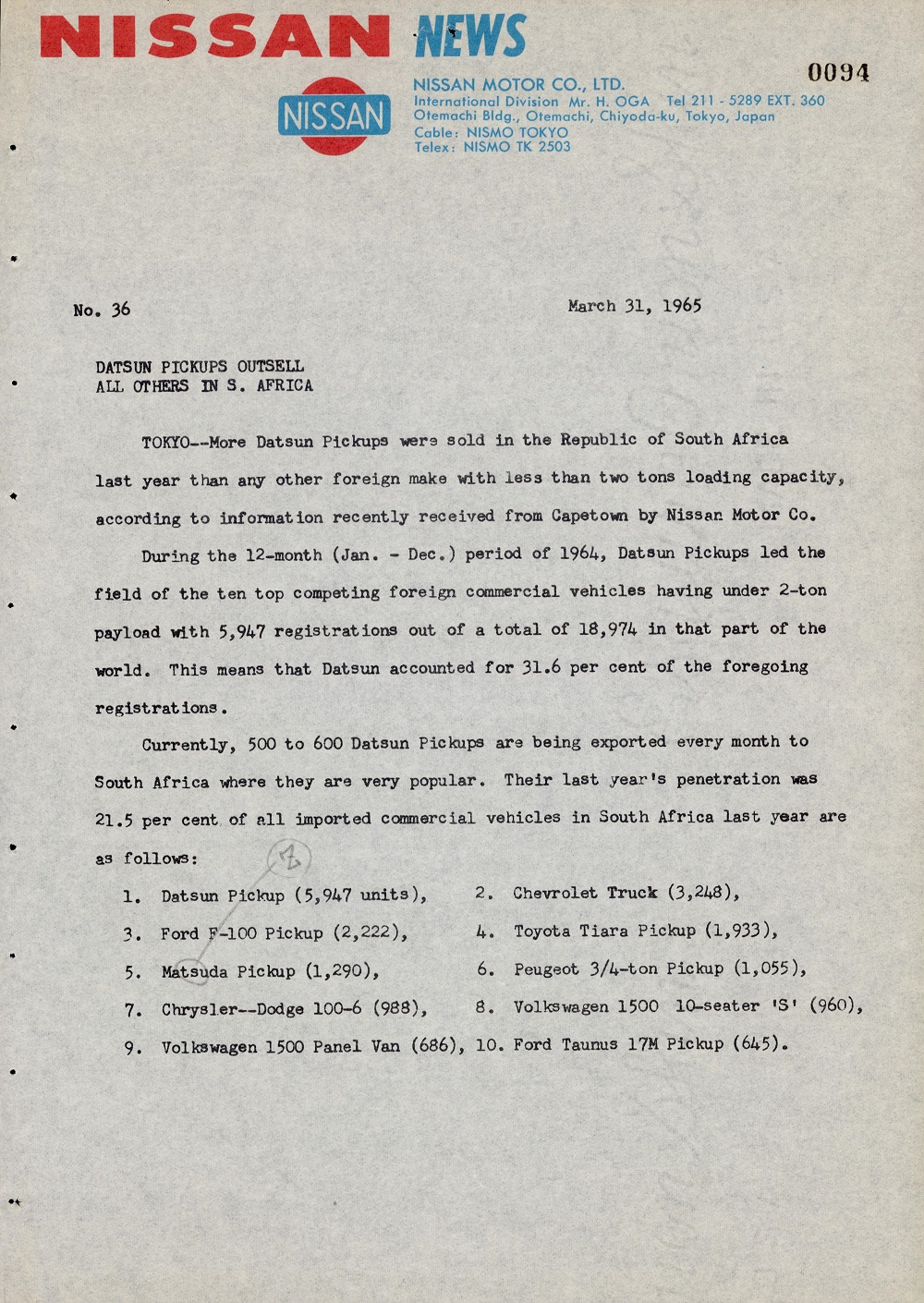
In the sixties the first Nissans – then known as Datsun - were imported to South Africa and in 1966 local manufacturing started with the opening of the Rosslyn plant outside Pretoria that eventually would become one of the landmarks of local vehicle manufacturing in the country for decades to come.
Datsun and later Nissan manufacturing timeline:
Key milestones of models manufactured in Rosslyn:
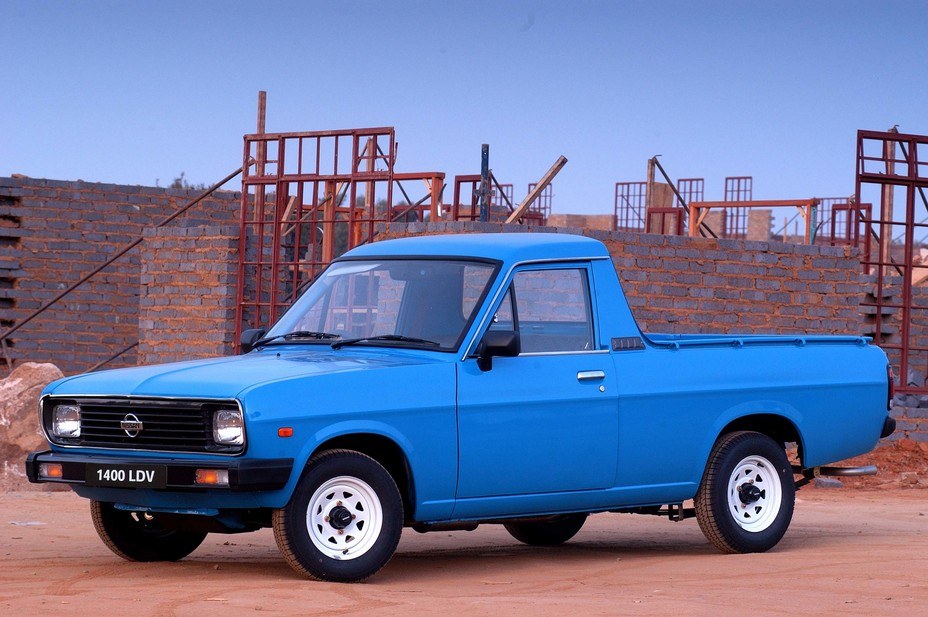
1. Nissan/Datsun 1400 (1971-2008) - Total production between 275 000 and 285 000 units. This was South Africa's longest-serving vehicle model.
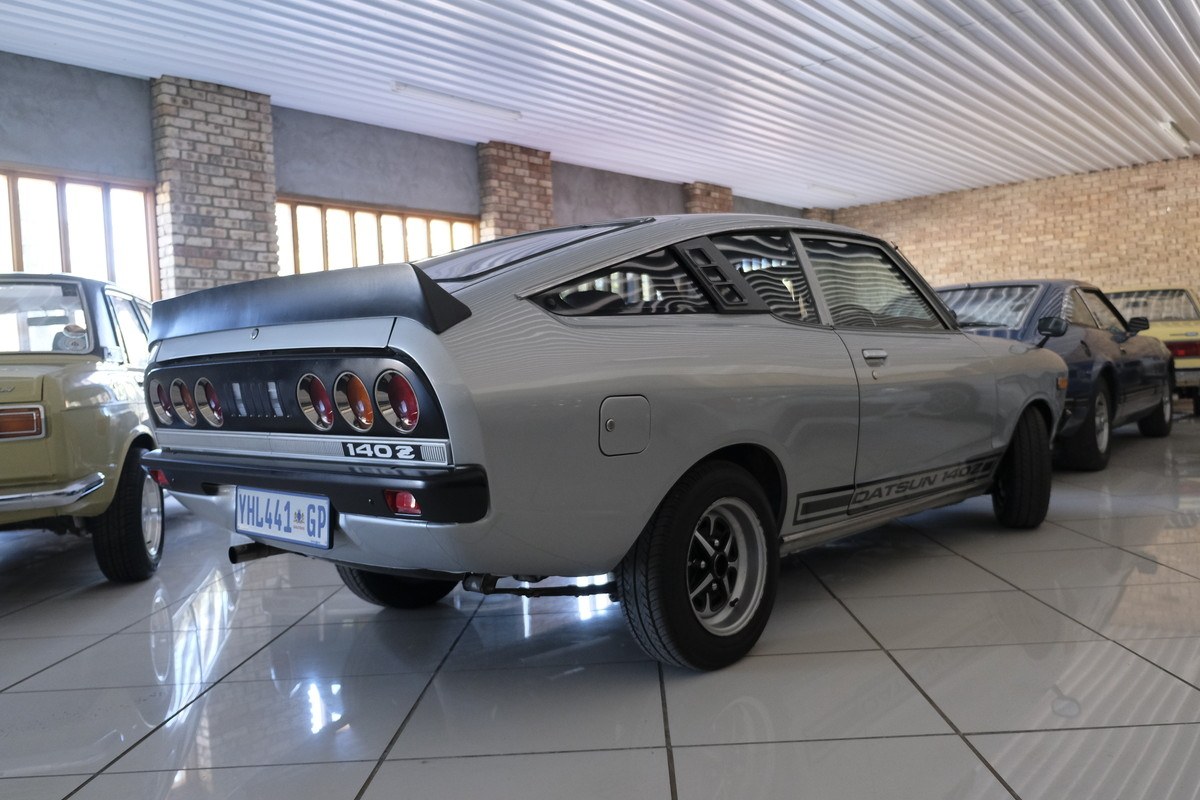
2. Datsun 140Z and 160Z (Mid-1970s to 1980) - Total production: Approximately 306 Datsun 140Zs were built as homologation specials (around 150 in 1977/78 and another batch later), and only 241 Datsun 160Zs were produced in 1978-1979 as a limited run. The 140Z was a homologation special for racing, while the 160Z followed its success, both being unique South African models according to reports.
3. FIAT Uno (1990-2005): Total production around 116 000 units. It was manufactured under license from FIAT.
4. FIAT Palio, Siena, Strada (1999-2005): The production period started in 1999 for Palio, in 2000 for Siena and in 2005 for the Strada bakkie. Total production: Not available.
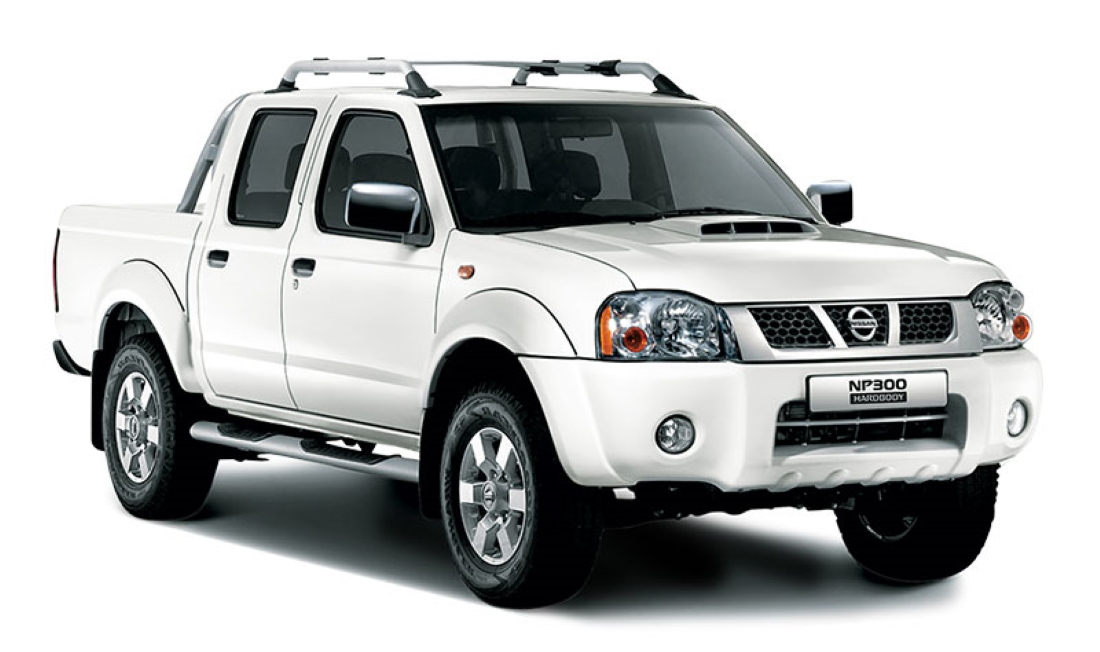
5. Nissan NP300 Hardbody: 1988 to 2021: Total production around 450 000: The NP300 was a continuation of the old Nissan Hardbody, bigger than the NP200 and cheaper than the Navara.
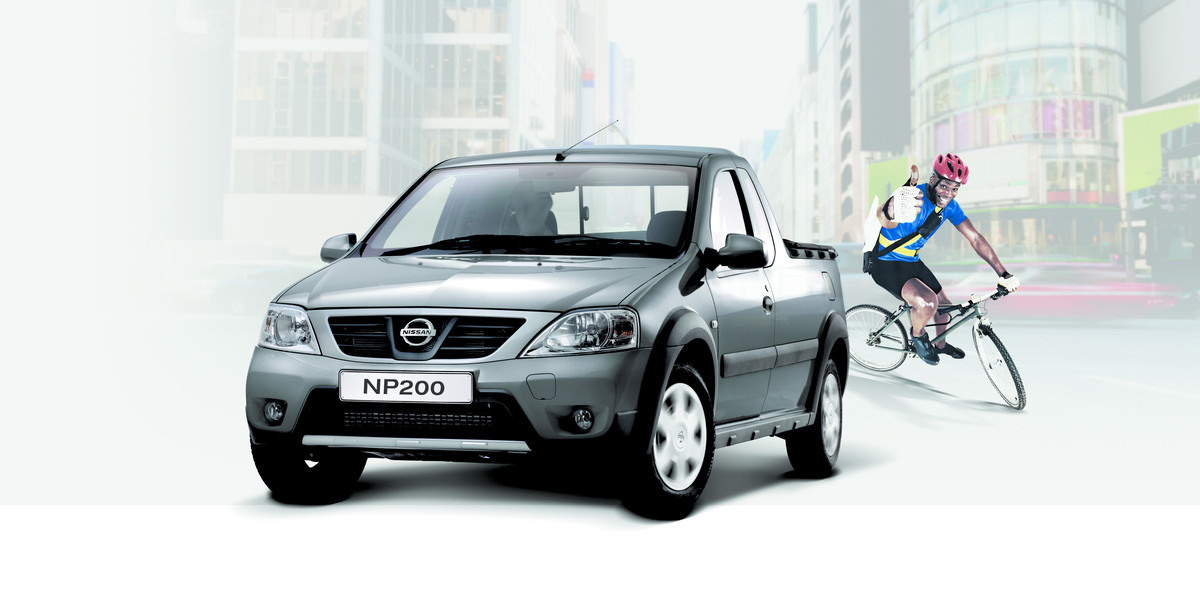
6. Nissan NP200 (2008-2024): Annual sales were approximately 10 000 to 15 000 units per year in South Africa. In its final month of production during March of 2024 some 2 679 units were manufactured. It is said that the NP200 replacement was cancelled due to Russian-Ukraine war.
7. Nissan Navara (2021-Present): Total production: 2023: Nearly 25 000 units, 2024: Under 20 000 units and in 2025 (first 4 months) approximately 4 939 units (1 838 local + 3 101 exported)
The Rosslyn plant was designed to produce 35 000 units initially, then increased by 30 000 units when Navara production was added (bringing total to 65 000), but the effective optimal capacity is 50 000 units, also the threshold needed to maximize government incentives under the Automotive Production and Development Programme (APDP).
CMS Systems is celebrating 25 years in business, marking a significant milestone for a company that has become a central player in automotive retail technology.
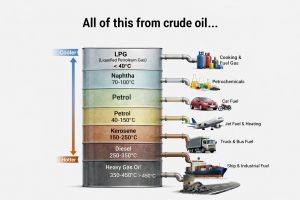
Oil prices jumped on Wednesday after Iran's seizure of container ships in the strait.
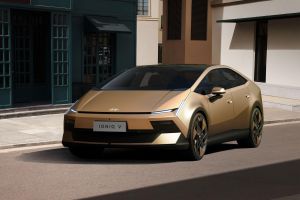
Hyundai Motor is preparing an aggressive comeback in China, unveiling plans to launch 20 new vehicles over the next five years as it tries to rebuild its position in the world’s largest car market.
 Advertisement
 Advertisement
Have you ever noticed that anybody driving slower than you is an idiot, and anyone going faster than you is a maniac?
George Carlin
CMS Systems is celebrating 25 years in business, marking a significant milestone for a company that has become a central player in automotive retail technology.
Oil prices jumped on Wednesday after Iran's seizure of container ships in the strait.
Hyundai Motor is preparing an aggressive comeback in China, unveiling plans to launch 20 new vehicles over the next five years as it tries to rebuild its position in the world’s largest car market.