
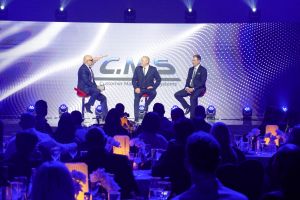
CMS Systems marks 25 years in automotive retail technology
CMS Systems is celebrating 25 years in business, marking a significant milestone for a company that has become a central player in automotive retail technology.
- Industry News
- 24 April 2026
Electronic licence plates are not only the next big thing in vanity, but they also bring a whole array of benefits to the motor owner.
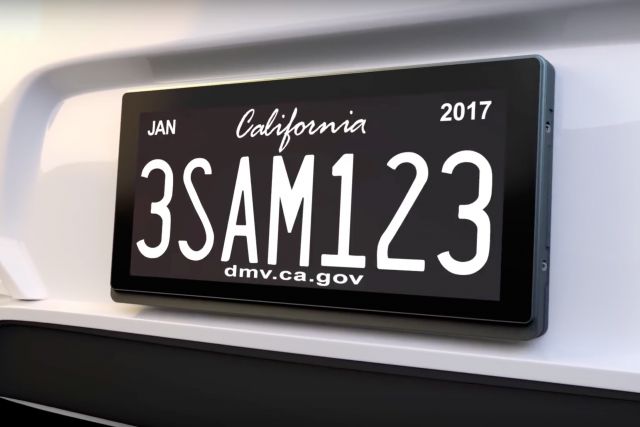
The patented plates, manufactured by Reviver, will not be available in South Africa in the foreseeable future, but at least four US states, including California and Texas, have given them the green light and a nationwide roll-out is in the pipeline.
The plates, which have been in development since 2009, are customisable, trackable and make renewing registrations an easier process using an app. They can be either battery powered or directly wired into your vehicle. In the US, they will set you back $19.95 (approximately R350) a month for a 48-month subscription or $215.40 (approximately R3 800) for a four-year plan.
The cloud-connected vehicle platform can also authorise law-enforcement to disable the vehicle once the owner reports the vehicle stolen.
The plates contain internal components that include a processor that stores vehicle information. It also has speed- and light-detection sensors, and an ignition disrupter that disables ignition when the vehicle is locked. Each of the hardware components is said to be tamper-proof.
The displays are made from e-ink or electronic paper and instead of emitting light, the e-paper display (EPD) reflects light and can be read under direct sunlight.
CMS Systems is celebrating 25 years in business, marking a significant milestone for a company that has become a central player in automotive retail technology.
Oil prices jumped on Wednesday after Iran's seizure of container ships in the strait.
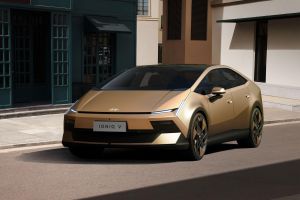
Hyundai Motor is preparing an aggressive comeback in China, unveiling plans to launch 20 new vehicles over the next five years as it tries to rebuild its position in the world’s largest car market.
 Advertisement
 Advertisement
You can't buy happiness but you can buy cars and that's kind of the same thing.
Unknown
CMS Systems is celebrating 25 years in business, marking a significant milestone for a company that has become a central player in automotive retail technology.
Oil prices jumped on Wednesday after Iran's seizure of container ships in the strait.
Hyundai Motor is preparing an aggressive comeback in China, unveiling plans to launch 20 new vehicles over the next five years as it tries to rebuild its position in the world’s largest car market.