Continental has achieved a major milestone in its global sustainability strategy by fully eliminating coal and heavy fuel oil from all its tyre production sites.
Share with friends
Since January 2026, every plant has transitioned to alternative energy sources for steam generation, an essential component in tyre manufacturing. These cleaner options include biomass, biogas, renewable electricity, and lower‑emission fuels such as liquefied petroleum gas (LPG) and natural gas.
According to Dr Bernhard Trilken, Head of Manufacturing and Logistics at Continental Tyres, the move marks a decisive step towards energy independence and operational resilience. He emphasises that renewable energy is central to the company’s long‑term strategy, supported by a diverse mix of sources, ideally generated close to or directly at production sites.
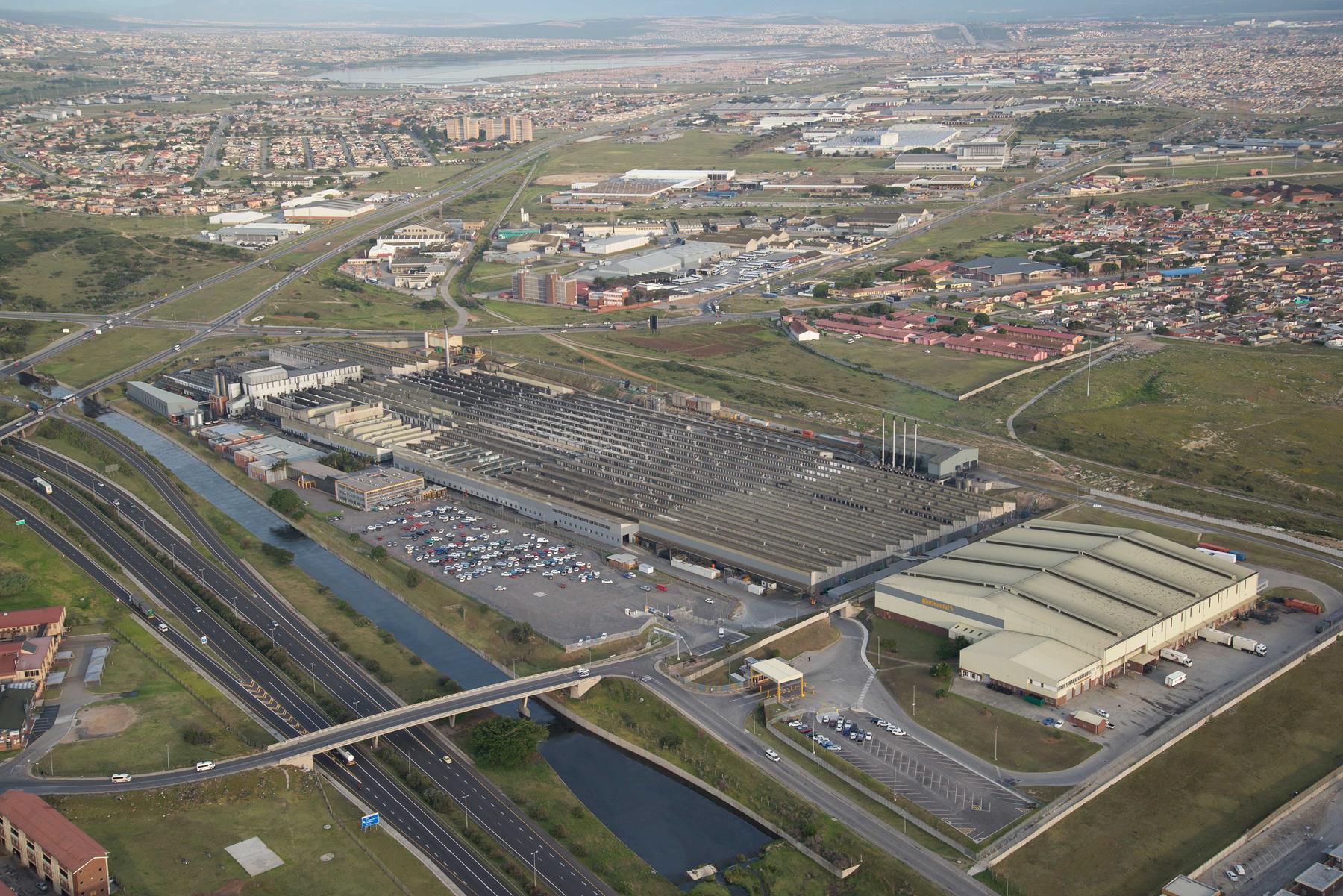
Continental’s tyre factory in Gqeberha, South Africa.
In the early 2020s, seven of Continental’s 19 global plants still depended on coal and heavy fuel oil to ensure stable steam generation, particularly in regions with limited gas or electricity infrastructure. Today, sustained investment and modernisation efforts have enabled all sites to operate using cleaner alternatives.
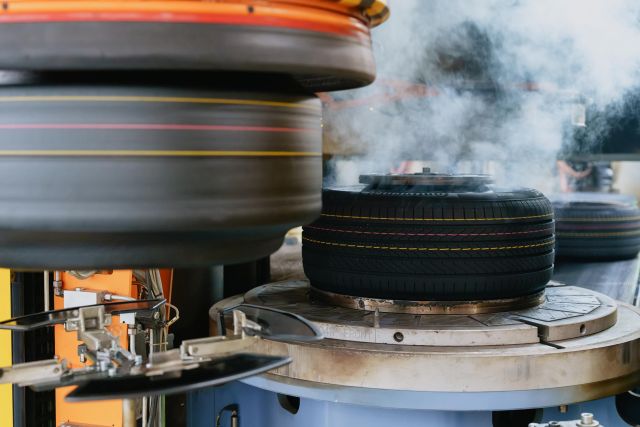
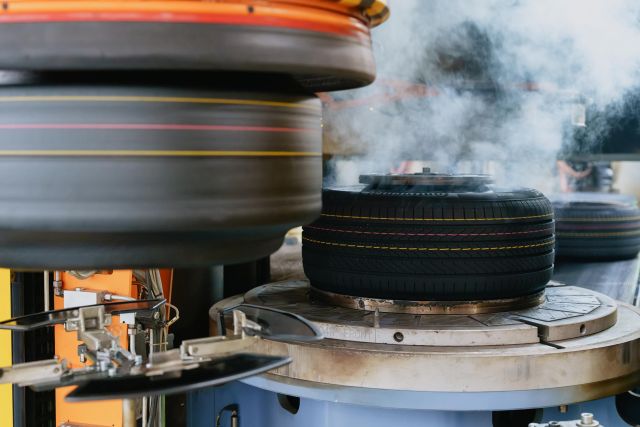
Tyre manufacturing is energy intensive, particularly the vulcanisation process, which traditionally relied on steam produced from fossil fuels. New electric technologies have made this step more flexible and considerably more energy‑efficient.
Alongside this, Continental has purchased electricity exclusively from renewable sources since 2020 and continues to expand on‑site renewable generation. These combined efforts helped the company cut its production‑related greenhouse gas intensity by more than 10% in 2025 compared with the previous year, and by around 70% compared with 2019. Overall, approximately 180 000 metric tonnes of CO₂ have been eliminated from tyre production over the past four years.
The transition looks different across regions but reflects the same commitment. In Gqeberha, South Africa, a long‑standing reliance on coal has been replaced by biomass, with LPG filling remaining demand.
In Kalutara, Sri Lanka, the installation of a second biomass boiler has enabled the plant to end its use of heavy oil entirely. Meanwhile, in Otrokovice, Czech Republic, cooperation with the local energy supplier has shifted the fuel mix towards biomass and natural gas, benefiting both the plant and surrounding communities through cleaner district heating.
Continental continues to strengthen energy efficiency and expand renewable energy use across its operations. Its efforts have been recognised by the independent organisation CDP, which awarded the company an A‑rating in 2025 for climate transparency and CO₂‑reduction measures.
Charging time remains a worry for many South Africans considering an electric vehicle, who still see it as a disruption rather than a quick stop at a filling station. That view is starting to shift.
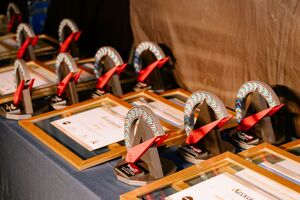
The winners of the 2026 Automotive Business Council | naamsa Accelerator Awards were announced at the recently held Auto Week 2026, which took place in eThekwini, KZN.
When Cobus Coetzee (photo) accepted the opportunity to join the Morgan Group in Upington, he had to weigh up more than a new position. The move meant exchanging the West Coast’s cooler climate and seaside lifestyle for the Northern Cape’s desert heat, while taking responsibility for a multi-franchise operation spread across several premises.
The winners of the 2026 Automotive Business Council | naamsa Accelerator Awards were announced at the recently held Auto Week 2026, which took place in eThekwini, KZN.
With the steep rise in fuel prices since March this year leading to historic record highs following massive increases in October, the government intervention annouched this week, is widely welcomed.
Omoda has confirmed that the new C4 will become the first model from the Chery Group to be built in South Africa, with production set to take place at the company's Rosslyn manufacturing facility in Gauteng.