
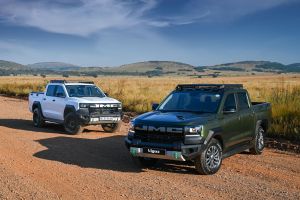
New JMC Vigus will make an impression
Following the official brand re-launch by the Salvador Caetano Group, JMC South Africa announce the arrival of the All-New JMC Vigus.
- Product News
- 17 April 2026
According to a Reuters report, South Africa is engaged in discussions with Chinese automotive manufacturers to encourage local investment, with at least one company showing considerable interest in establishing production facilities in the country, a senior government official revealed on Wednesday.
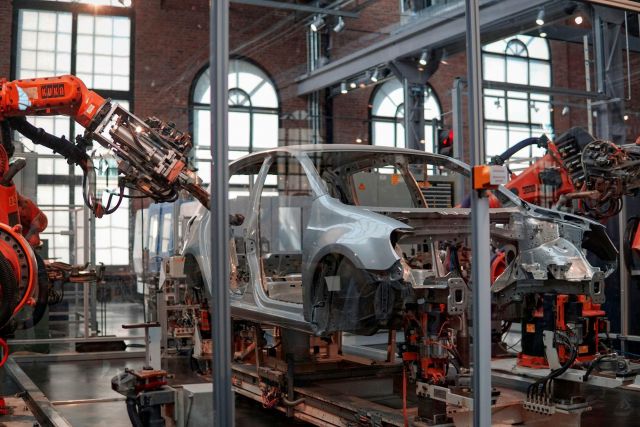
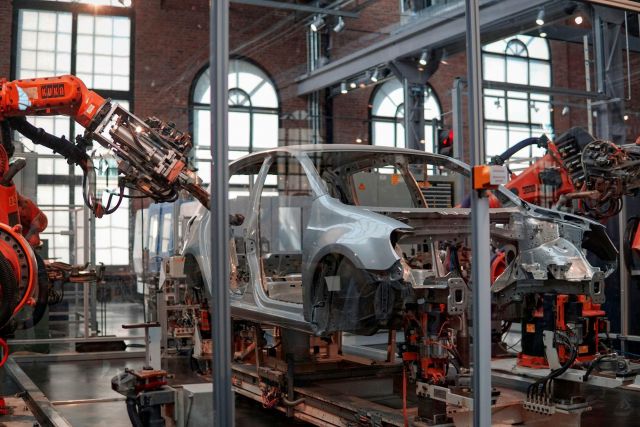
Africa's most advanced automotive manufacturing centre finds itself at a critical juncture, grappling with declining domestic output while simultaneously experiencing a substantial increase in vehicle imports, predominantly from China.
The competitive landscape is becoming increasingly fierce, with established players such as Toyota and Volkswagen now competing for market share against electric vehicle manufacturer BYD, alongside Chery, Great Wall Motor (GWM) and Beijing Automotive Group (BAIC).
Speaking to parliamentarians, Trade, Industry & Competition Deputy Minister, Zuko Godlimpi, confirmed that negotiations are currently underway with several Chinese automakers regarding the establishment of local manufacturing operations rather than continuing with imports.
"One area of particular interest for them is investment in hybrid and electric vehicles, as these represent the market segment they are serving globally," Zuko explains.
The deputy minister disclosed that one Chinese company held discussions with the trade and industry department in August, expressing keen interest in establishing operations in either East London or Port Elizabeth.
As Chinese automakers seek to escape the pressures of a destructive price war in their domestic market, they are increasingly turning to Africa in pursuit of profitability. BYD and Chery are among approximately 15 Chinese automotive brands currently active in South Africa, with Geely, Leapmotor, and Changan preparing to enter the market in the near future.
South Africa is simultaneously reviewing its tariff structure as part of efforts to shield the domestic automotive sector from low-cost imports.
"We have been working to increase import duties to their maximum permissible levels to ensure that inexpensive imports do not undercut vehicles manufactured in South Africa," Zuko states, acknowledging that implementing such changes requires considerable time.
The developments highlight South Africa's strategic position as both a gateway to the African continent and a potential manufacturing hub for Chinese automotive companies seeking to diversify their global operations beyond their increasingly competitive home market.
Photo: Lenny Kkuhne – Unsplash.
Following the official brand re-launch by the Salvador Caetano Group, JMC South Africa announce the arrival of the All-New JMC Vigus.

Jetour South Africa hosted its inaugural Dealer of the Year Awards on Tuesday night, bringing together its national dealer network of nearly 60 dealerships.
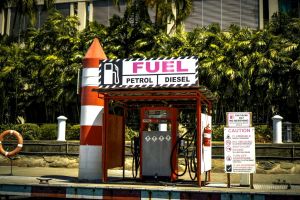
South Africa’s motorists and automotive sector are facing a fresh layer of uncertainty as the Middle East conflict continues to disrupt global oil markets, but for now the country’s fuel supply remains stable even as costs rise.
 Advertisement
Advertisement
Advertisement
I have bad reflexes. I was once run over by a car being pushed by two guys
Woody Allen
South Africa’s motorists and automotive sector are facing a fresh layer of uncertainty as the Middle East conflict continues to disrupt global oil markets, but for now the country’s fuel supply remains stable even as costs rise.

Stellantis has struck a five year strategic partnership with Microsoft as it accelerates its shift towards software defined vehicles and digital services.
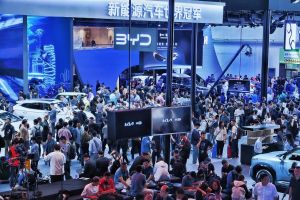
Auto China 2026 marks another milestone in the evolution of an event that has tracked China’s rise from emerging market to global automotive powerhouse.