This is according to an extensive report by Reuters on the road Chinese brands must follow to gain Toyota-like success in Europe.
Chinese vehicle manufacturers are increasingly redesigning and developing products specifically for overseas markets instead of merely adapting cars originally created for domestic buyers. According to the Reuters report, this shift is being driven by growing pressure inside China’s overcrowded automotive market, where aggressive price wars have severely squeezed profit margins.
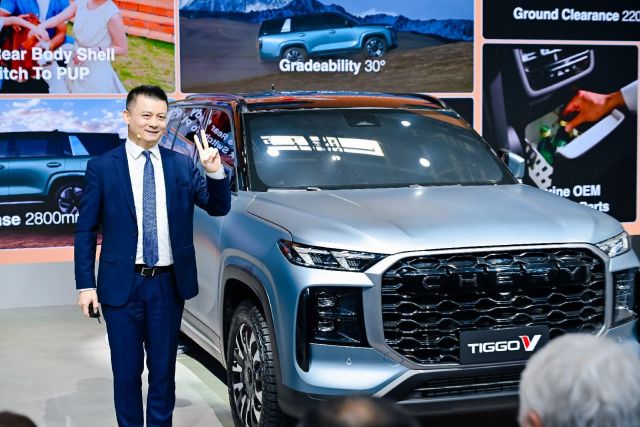
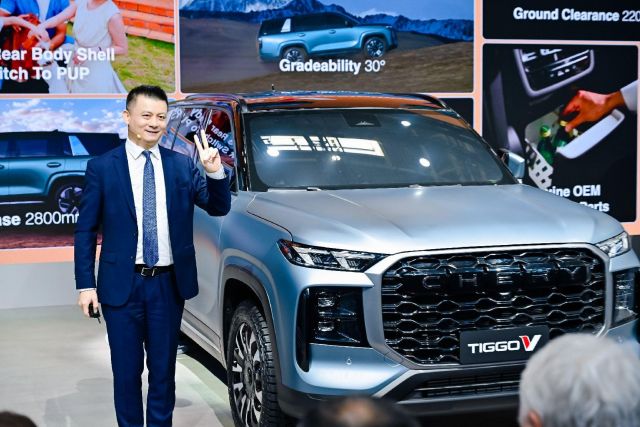
Brands such as BYD, Chery, Changan, MG and Hongqi are all investing heavily in export focused models aimed at markets including Europe, Australia, Mexico and South America.
Chinese manufacturers can often sell vehicles in Europe at almost double the price they charge at home while still remaining cheaper than established Western rivals. This gives them a major opportunity to improve profitability, provided they can convince overseas buyers that their vehicles meet local preferences and expectations.
At the recent Beijing Auto Show, Hongqi unveiled a compact global SUV aimed primarily at European urban buyers. Design chief Giles Taylor told Reuters that European demand was the main reason the vehicle exists.
Meanwhile, BYD’s new Dolphin G hatchback was developed specifically for Europe and is expected to launch in June. Hatchbacks account for more than 40% of new vehicle sales in parts of southern Europe, despite being a relatively small segment in China itself.
It is also reported how rapidly Chinese brands are growing their presence in Europe. In Britain, Chinese manufacturers doubled their market share during the first quarter of 2026 to 14.2%. Across Europe, their combined share nearly doubled last year to 6%, according to consultancy Inovev.
Analysts believe exports are becoming critical for the survival of many Chinese automakers as competition intensifies at home. China currently has more than 100 vehicle manufacturers and industry consolidation is widely expected in the coming years.
Gartner analyst Pedro Pacheco described the export focused design strategy as Chinese automakers’ “Yaris moment”, referencing the success of the Toyota Yaris, which was designed in Europe for European buyers and helped Toyota establish itself more strongly on the continent after its launch in 1999.
One of the biggest challenges facing Chinese brands is adapting to vastly different customer preferences outside China. Features and styling that appeal to younger Chinese consumers may not necessarily resonate with older European buyers.
Nissan executive Alfonso Albaisa told Reuters that Chinese vehicles often experiment with bold colours and interior designs that may not suit Western tastes. The report also noted that entertainment focused features popular in China, including in car karaoke systems, are far less important to European customers.
As a result, many Chinese manufacturers are now prioritising smaller hatchbacks and more region-specific products. Chery is reportedly developing a Europe focused hatchback under its new Lepas brand, while MG is preparing a smaller MG2 hatchback because European buyers generally prefer more compact vehicles.
Launch strategies are also changing. Some new vehicles are now being introduced in overseas markets before China itself, highlighting just how important global growth has become for the country’s automotive giants.
- Additional reporting by Qiaoyi Li.