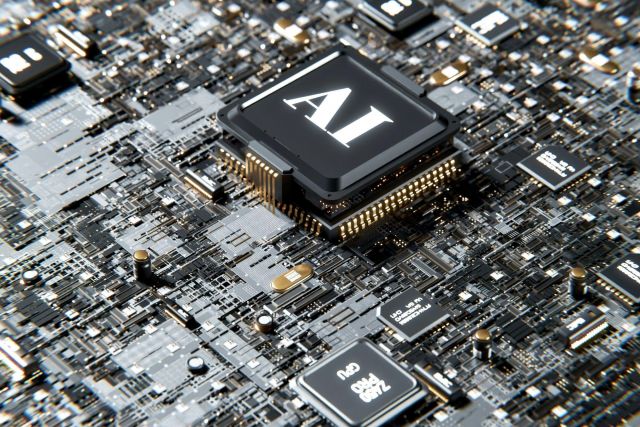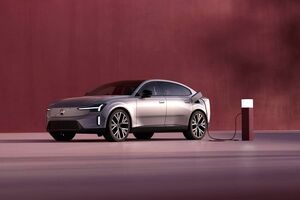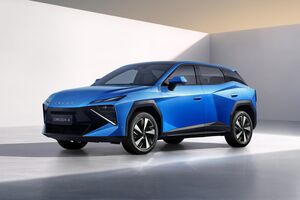
The ambition is to create cars that can interpret natural-language instructions, anticipate needs and improve over time through software updates, with more of the computing stack designed and supplied domestically.
This shift closely tracks Beijing’s “AI Plus” direction under the latest five-year plan, which encourages the integration of AI across the economy. In the automotive sector, the policy push also overlaps with a strategic drive to reduce dependence on advanced foreign semiconductors, a sensitive area as export controls and supply chain politics continue to shape what technology firms can buy and build.
For carmakers, the stakes are straightforward: the vehicle is increasingly treated like a software platform. That means frequent feature releases, faster iteration, and a growing expectation that driver assistance, navigation and in-car services will feel as responsive as a smartphone. As those expectations rise, the traditional separation between an automotive manufacturer and a technology company looks less clear.
The trend was visible at the Beijing Auto Show, where executives highlighted how quickly Chinese development cycles are moving. Nissan’s China chief, Stephen Ma, pointed to the pace of local competition and software iteration as a reason AI-led features are advancing rapidly in the market.
Several brands are already demonstrating what “agent-like” behaviour could look like. Xpeng has described in-car AI that can handle broader commands such as asking to park near an entrance, relying on sensors and cameras rather than forcing the driver to select a precise spot on a map.
Xiaomi, which expanded from phones and consumer electronics into vehicles, has promoted a system that lets drivers delegate routine tasks on the move, from compiling notes to managing everyday errands through its HyperOS ecosystem.
Behind the glossy demonstrations is a heavy investment story. Huawei has said it plans to invest more than $10 billion over five years to strengthen computing for smart driving. At the same time, Chinese chip specialists such as Horizon Robotics are introducing processors that combine cockpit and driving functions, signalling a push to keep more of the vehicle’s core intelligence within China’s technology supply chain.
State-owned manufacturers are moving in step. Dongfeng Motor has said it is developing vehicles using “embodied AI technology”, and its chairman, Yang Qing, has framed the shift as a response to national priorities.
If the approach works, China’s next advantage may not be another leap in battery cost, but leadership in the algorithms and chips that define what a car can do.