
Funky wheels: China’s big drive in South Africa
No, the Chinese are not coming to take over – they are already busy accomplishing it.
- Industry News
- 4 May 2026
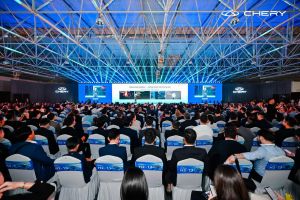
According to a Reuters report, China's automotive sector faces an unprecedented crisis beneath its outward success. Despite becoming the world's largest car exporter and producing global leaders like BYD and Geely, the industry is trapped in a destructive spiral threatening widespread bankruptcies.
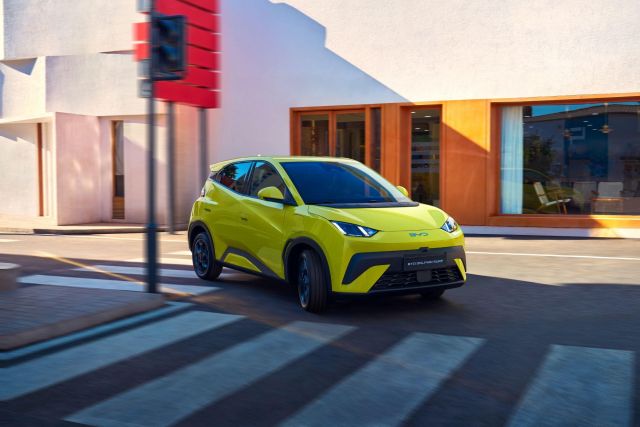
A relentless price war spanning over two years has created what Chinese officials call "neijuan" – literally meaning involution, describing frantic self-destruction. Average new car prices have crashed by 21% since 2021 to approximately R424 000, forcing manufacturers to compete with increasingly desperate measures, including built-in cooking facilities, multiple screens and heavily subsidised financing.
The carnage is now reaching industry titans. BYD, the world's largest electric vehicle manufacturer, reported quarterly profits plunged nearly 30% last week, marking its second consecutive monthly production decline since 2020. Even established players like Great Wall Motor saw profits drop 10% in the first half of the year.
The fundamental problem is staggering overcapacity. While China sold 27.6 million passenger vehicles last year, production capacity reached 55.6 million units, more than double the actual demand. This excess creates a vicious cycle where manufacturers offer ever-greater incentives to capture market share, deepening their losses.
China’s President Xi Jinping has criticised "disorderly price cuts", yet political incentives prevent meaningful reform. Local governments actively promote new factories through subsidies and tax breaks, prioritising GDP growth and employment over industry health. When struggling EV maker Nio faced bankruptcy in 2020, state-backed entities provided a $1 billion bailout, later approving a third factory despite selling only 222 000 cars against a one million capacity.
The industry's fragility is exposed by weakening fundamentals. While car sales grew 11.4% in early 2025, this relied heavily on government cash-for-clunkers programmes pulling forward purchases. Consumer confidence sits at 89, well below pre-pandemic levels of 120-plus.
Export growth, which increased sixfold to nearly six million units between 2020 and 2024, faces mounting protectionism abroad. Major exporters are also localising overseas production, reducing demand for Chinese-made vehicles.
Unlike previous downturns when distressed assets attracted buyers seeking market entry, recent acquisition attempts have collapsed. Weaker manufacturers lack valuable intellectual property, while their production facilities hold little worth given the massive oversupply.
Without dramatic demand recovery, China's automotive industry faces inevitable consolidation through widespread bankruptcies, threatening the livelihoods of approximately five million workers across the sector.
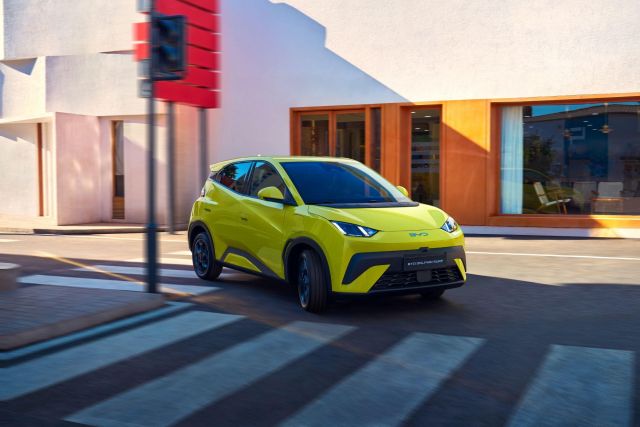
No, the Chinese are not coming to take over – they are already busy accomplishing it.
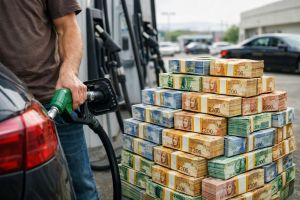
Motorists and households already under pressure will have to dig deeper into their pockets yet again from Wednesday, with sharp fuel and energy price hikes taking effect across South Africa.

Marcia Mayaba, Commercial Director at Dunlop Tyres South Africa, has been recognised as the top achiever at the recently held Woman of Stature Awards South Africa.
 Advertisement
Advertisement
Advertisement
I have bad reflexes. I was once run over by a car being pushed by two guys
Woody Allen
No, the Chinese are not coming to take over – they are already busy accomplishing it.
Motorists and households already under pressure will have to dig deeper into their pockets yet again from Wednesday, with sharp fuel and energy price hikes taking effect across South Africa.
Marcia Mayaba, Commercial Director at Dunlop Tyres South Africa, has been recognised as the top achiever at the recently held Woman of Stature Awards South Africa.