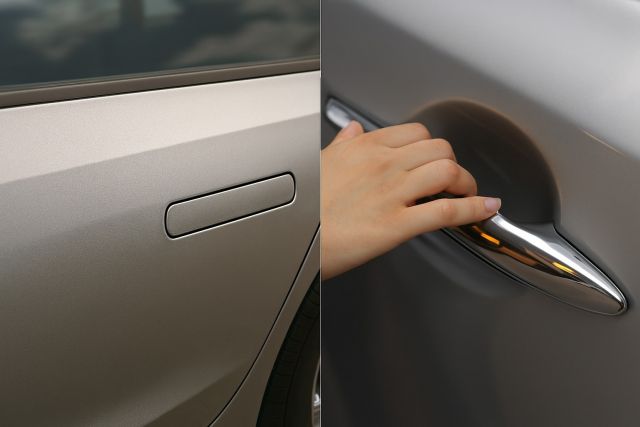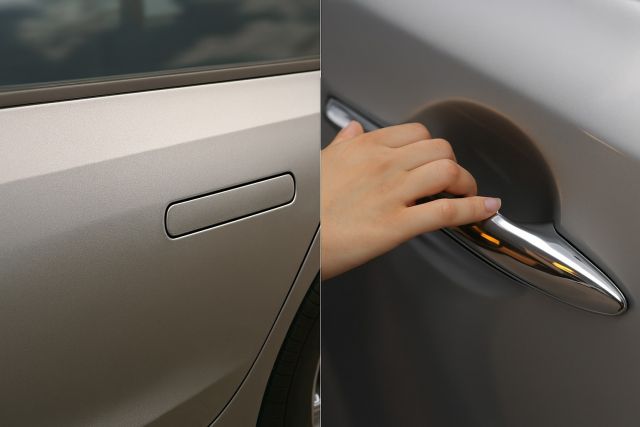
Regulators say the move is driven by mounting safety concerns, particularly in electric vehicles (EVs), where electronically actuated handles have been linked to fatal incidents in which passengers were unable to escape after crashes.
The feature, popularised by Tesla and later adopted widely across China’s booming EV market, most notably by Xiaomi, Aion and Nio, has long been praised for aerodynamics and visual minimalism. However, the reliance on electrical systems means the handles can fail if a vehicle loses power, leaving occupants trapped and rescuers unable to access the cabin quickly. Several high‑profile Chinese accidents, including deadly Xiaomi‑related cases, accelerated official action.
Under the new rules laid out by the Ministry of Industry and Information Technology, every passenger door must have an external mechanical release and a recessed area large enough for a hand to grip securely. The minimum exterior clearance is set at 60 mm by 20 mm by 25 mm, while interior handles must be clearly visible and permanently marked with signage no smaller than 10 mm by 7 mm. Tailgates are the only exception. Vehicles already approved for sale will have until 2029 to redesign their hardware, giving manufacturers time to retrofit models across their line-ups.
The ban also lands at a pivotal moment for Tesla, which has seen declining global sales and increased competition from Chinese rivals. United States (US) safety authorities are already investigating failures of Tesla’s electronic door handles, and European regulators are weighing similar measures. Analysts expect China’s decision to ripple across the global automotive industry, given the country’s scale and influence on EV design trends.
With this landmark policy, China is positioning itself not only as the world’s largest EV market but also as a global rule‑setter. The shift underscores a growing international consensus: when futuristic design clashes with life‑or‑death practicality, safety must prevail.