Daimler Trucks South Africa made history by being the first Daimler Truck market in the world to launch the Daimler Truck Parts Portal, an online eCommerce platform.
Share with friends
The platform works on a click and collect basis where customers can buy parts online and collect them within 24 hours at their selected dealership.
As an initial start, over four hundred parts including oil, batteries, service and select wear-and-tear parts are available on the portal, with plans already underway to expand the product catalogue to include maintenance and collision parts, in addition to the delivery of parts to customers.
Ziyad Gaba (Ziyad Gaba, Vice President Customer Service, Parts and Value Chain).
“The Daimler Truck Parts Portal is a game changer in the commercial vehicle market, and we are thrilled to be part of the development team and to be the very first Daimler Truck market in the world to launch the portal to our customers.
“Our customers are central to everything we do, and the digitalisation of our processes to increase customer convenience has been a key driver in the development of the Daimler Truck Parts Portal,” says Ziyad Gaba, Vice President Customer Service, Parts and Value Chain.
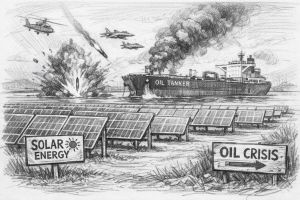
Zero Carbon Charge (CHARGE) welcomes the government’s extension of short term fuel levy relief measures aimed at cushioning consumers from rising fuel prices, but cautions that these interventions do not address the underlying structural challenge facing South Africa’s transport economy.
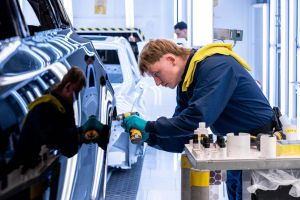
Volvo Cars has started building the fully electric EX60 at its Torslanda factory outside Gothenburg, with first customer deliveries due in early summer.
Changan has unveiled its ambitious “1+4+4+5” global strategy, signalling a determined push to become one of the world’s top ten automotive brands by 2030.
Changan has unveiled its ambitious “1+4+4+5” global strategy, signalling a determined push to become one of the world’s top ten automotive brands by 2030.
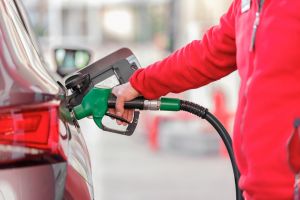
South African motorists are heading for another fuel price adjustment in early May, with increases likely to be driven mainly by global oil prices and a weaker rand, rather than additional tax changes.