

CMS Systems marks 25 years in automotive retail technology
CMS Systems is celebrating 25 years in business, marking a significant milestone for a company that has become a central player in automotive retail technology.
- Industry News
- 24 April 2026
The Automotive Business Council (naamsa) says the broader economy surprised one and all on the upside in the second quarter, with GDP expanding by 0.8% q/q and household spending showing resilience, in its reaction to the release of the monthly new vehicle sales for September this year.

In a statement, naamsa says the medium-term growth outlook remains muted. Fitch Ratings’ decision to affirm the sovereign credit rating at BB- with a stable outlook underscores expectations of GDP growth averaging just 1.2% through 2027, as structural constraints continue to weigh on investment and job creation. For the vehicle market, this points to a demand base that is steady but limited by low potential growth.
Encouragingly for households, consumer inflation slowed to 3.3% y/y in August, below expectations. Lower food, fuel and transport costs have eased pressure on disposable incomes, while subdued vehicle price inflation, supported by a stronger rand and heightened competition, has helped sustain affordability in certain segments. This disinflationary trend offered some relief for car buyers, particularly in the small-car and entry-level categories, where cost sensitivity is highest.
Despite inflation undershooting expectations, the South African Reserve Bank (SARB) held the repo rate at 7% at its September meeting. By prioritising inflation expectations at the lower end of the 3 to 6% range, the SARB has maintained restrictive borrowing costs. While new-vehicle purchases have benefited from the 125 basis points of cuts implemented so far, further easing would be particularly beneficial for households considering higher-value or discretionary vehicle purchases.
Consumer confidence weakened in the third quarter, with the sharpest decline among middle income households, whose sentiment fell owing to weak job creation and rising food costs.
Encouragingly, the index for durable goods purchases edged slightly higher, suggesting that some households remain willing to consider big-ticket items where @nancing is accessible. On the external front, the trade balance remained in surplus at R20.3 billion in July, supported by strong commodity and agricultural exports.
This has helped stabilise the rand and contain imported inflation, indirectly benefiting the auto sector through lower costs of imported components and competitive vehicle pricing. However, rising imports of petroleum products and shifting trade conditions, including US tariff barriers, continue to pose risks for the broader economic environment in which the automotive sector operates.

CMS Systems is celebrating 25 years in business, marking a significant milestone for a company that has become a central player in automotive retail technology.
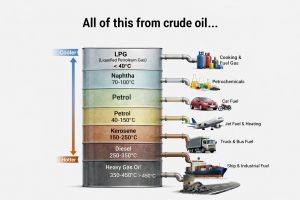
Oil prices jumped on Wednesday after Iran's seizure of container ships in the strait.

Hyundai Motor is preparing an aggressive comeback in China, unveiling plans to launch 20 new vehicles over the next five years as it tries to rebuild its position in the world’s largest car market.
 Advertisement
 Advertisement
You can't buy happiness but you can buy cars and that's kind of the same thing.
Unknown
CMS Systems is celebrating 25 years in business, marking a significant milestone for a company that has become a central player in automotive retail technology.
Oil prices jumped on Wednesday after Iran's seizure of container ships in the strait.
Hyundai Motor is preparing an aggressive comeback in China, unveiling plans to launch 20 new vehicles over the next five years as it tries to rebuild its position in the world’s largest car market.