
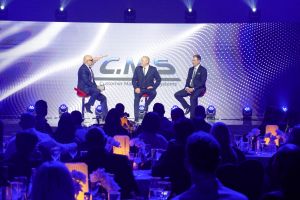
CMS Systems marks 25 years in automotive retail technology
CMS Systems is celebrating 25 years in business, marking a significant milestone for a company that has become a central player in automotive retail technology.
- Industry News
- 24 April 2026
BMW has announced a R4.2 billion upgrade to their Rosslyn plant with the aim of producing the next-generation X3 plug-in hybrid (PHEV) in South Africa.
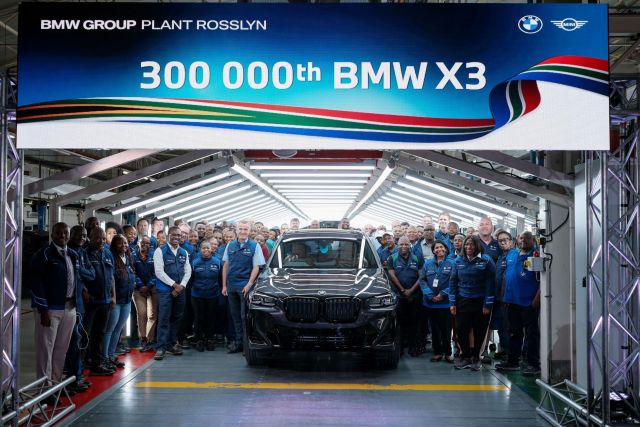
To mark the 50th celebration of the plant being BMW’s first foreign facility, the German automaker announced “the electrification of Plant Rosslyn”.
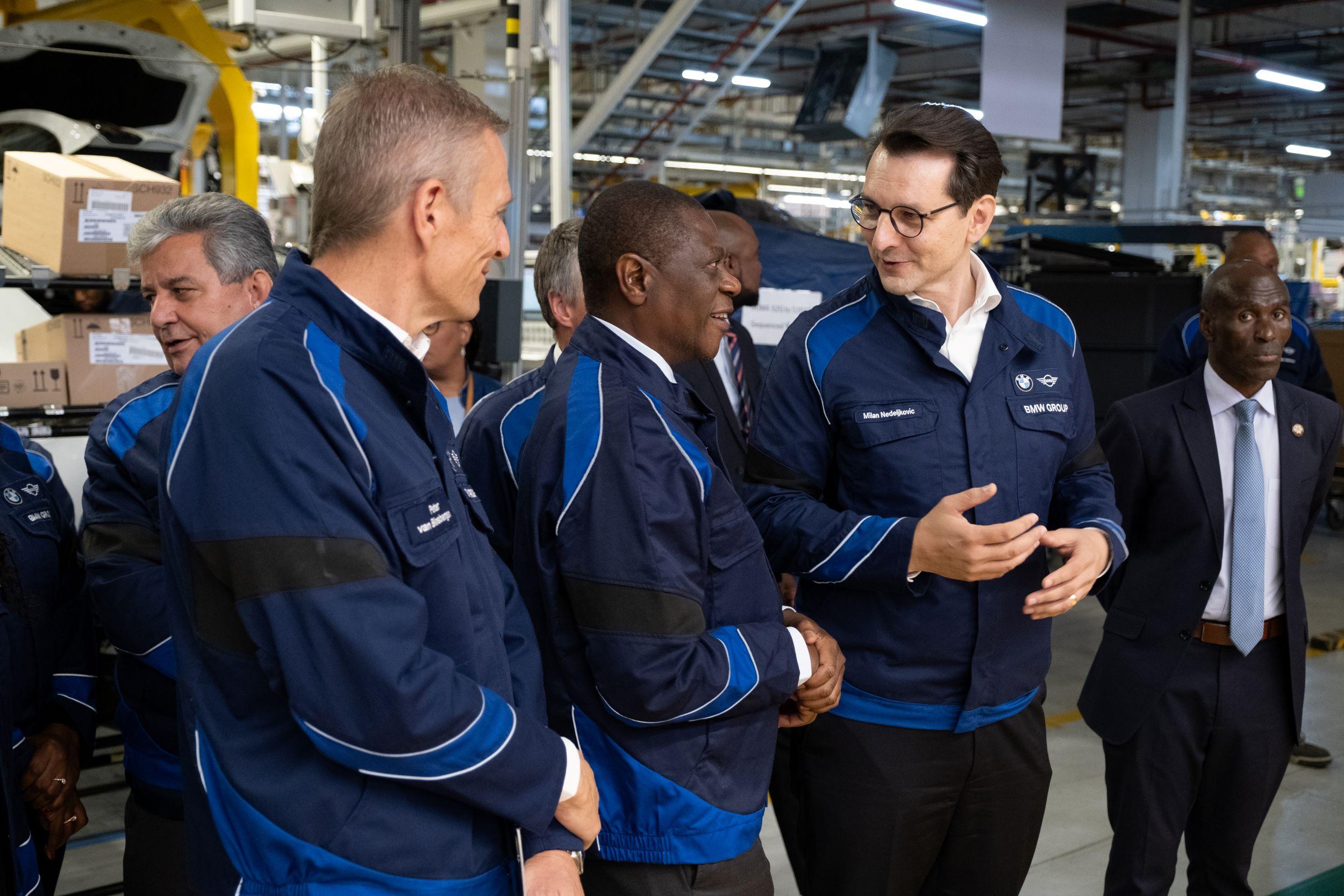
Milan Nedeljković, BMW AG Board Member for Production, says that from 2024 the BMW X3 as a plug-in hybrid for global export will be manufactured in South Africa. An investment of 4.2 billion rand (over 200 million euros) will ready Plant Rosslyn for electromobility.
The investment will be accompanied by specialist training for more than 300 employees at the plant. This step will further underline BMW’s commitment to South Africa, which has been forged over five decades. This secures the future of BMW Group Plant Rosslyn, as well as the livelihoods of more than 20 000 people directly and indirectly employed at BMW Group South Africa’s facilities and within its supply chain.
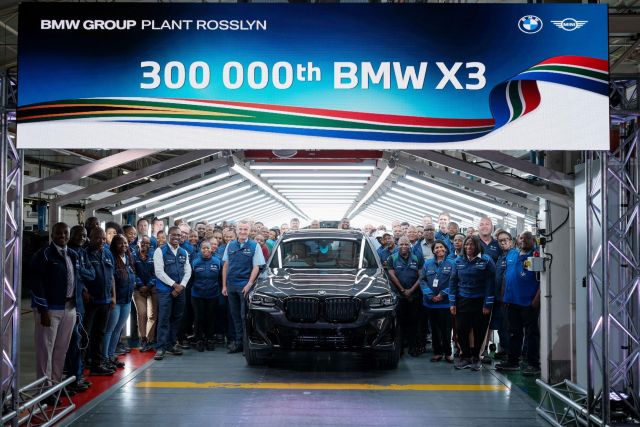
The Rosslyn plant has produced more than 1.6 million vehicles to date and exported them to more than 40 countries worldwide, including 14 nations in Africa. The production portfolio in Rosslyn included the BMW 1800 SA and BMW 2000 SA, as well as BMW 5 Series and BMW 7 Series vehicles. Rosslyn was an important pillar for the production of the BMW 3 Series from 1983 until 2018 when the BMW X3, the best-selling BMW vehicle in South Africa, started rolling off the assembly line.
Founded 50 years ago as the first BMW Group plant outside Germany, the BMW Group Plant Rosslyn site has been a stable constant in the company's worldwide production network ever since.

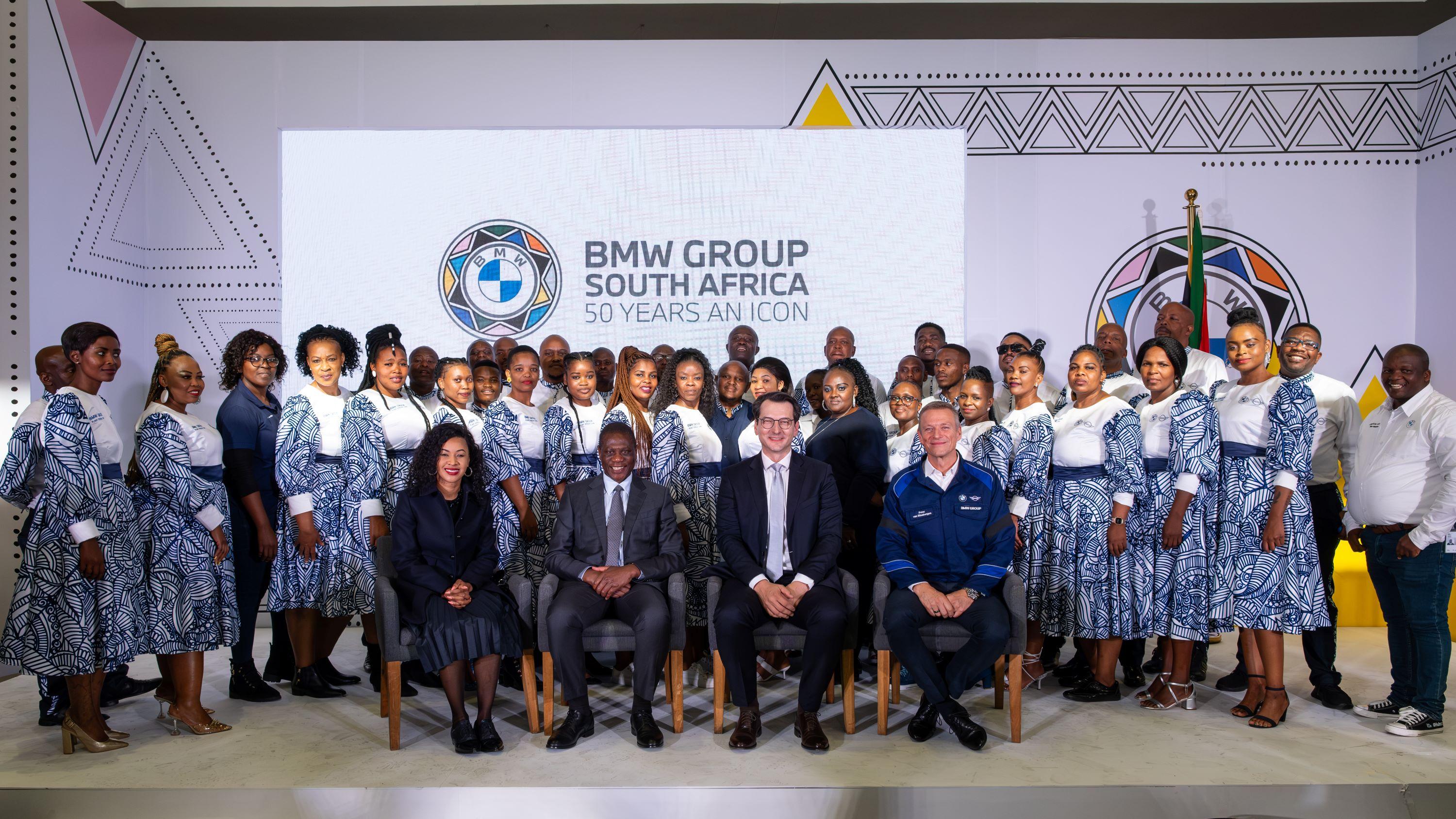
Milan emphasised that the BMW Group builds more than just cars in this country: “In South Africa, we have not only built a plant that creates jobs and contributes to industry. Furthermore, we have been demonstrating here for years what social responsibility means.”
It was also announced that the BMW Group will donate R30 million (1.5 million EUR) to support a United Nations Children’s Fund (UNICEF) programme. The BMW Group and UNICEF will embark on a joint effort targeted at thousands of South African primary and secondary school learners to extend and deepen their knowledge of science, technology, engineering, arts and mathematics (STEAM).
“For 50 years, BMW Group South Africa has been practising sustainable development through social investment, particularly in education. We are honoured to have UNICEF’s support as we inspire and mould a new generation of leaders who will continue the BMW Group’s success story in South Africa for the next 50 years,” Milan concluded.
CMS Systems is celebrating 25 years in business, marking a significant milestone for a company that has become a central player in automotive retail technology.
Oil prices jumped on Wednesday after Iran's seizure of container ships in the strait.
Hyundai Motor is preparing an aggressive comeback in China, unveiling plans to launch 20 new vehicles over the next five years as it tries to rebuild its position in the world’s largest car market.
 Advertisement
 Advertisement
Have you ever noticed that anybody driving slower than you is an idiot, and anyone going faster than you is a maniac?
George Carlin
CMS Systems is celebrating 25 years in business, marking a significant milestone for a company that has become a central player in automotive retail technology.
Oil prices jumped on Wednesday after Iran's seizure of container ships in the strait.
Hyundai Motor is preparing an aggressive comeback in China, unveiling plans to launch 20 new vehicles over the next five years as it tries to rebuild its position in the world’s largest car market.