BMW X3 plug-in hybrid to be built in SA for export
BMW has announced a R4.2 billion upgrade to their Rosslyn plant with the aim of producing the next-generation X3 plug-in hybrid (PHEV) in South Africa.
Share with friends
To mark the 50th
celebration of the plant being BMW’s first foreign facility, the German automaker announced “the electrification of Plant Rosslyn”.
Milan Nedeljković, BMW AG Board Member for Production, says that from 2024 the BMW X3 as a plug-in hybrid for global export will be manufactured in South Africa. An investment of 4.2 billion rand (over 200 million euros) will ready Plant Rosslyn for electromobility.
The investment will be accompanied by specialist training for more than 300 employees at the plant. This step will further underline BMW’s commitment to South Africa, which has been forged over five decades. This secures the future of BMW Group Plant Rosslyn, as well as the livelihoods of more than 20 000 people directly and indirectly employed at BMW Group South Africa’s facilities and within its supply chain.
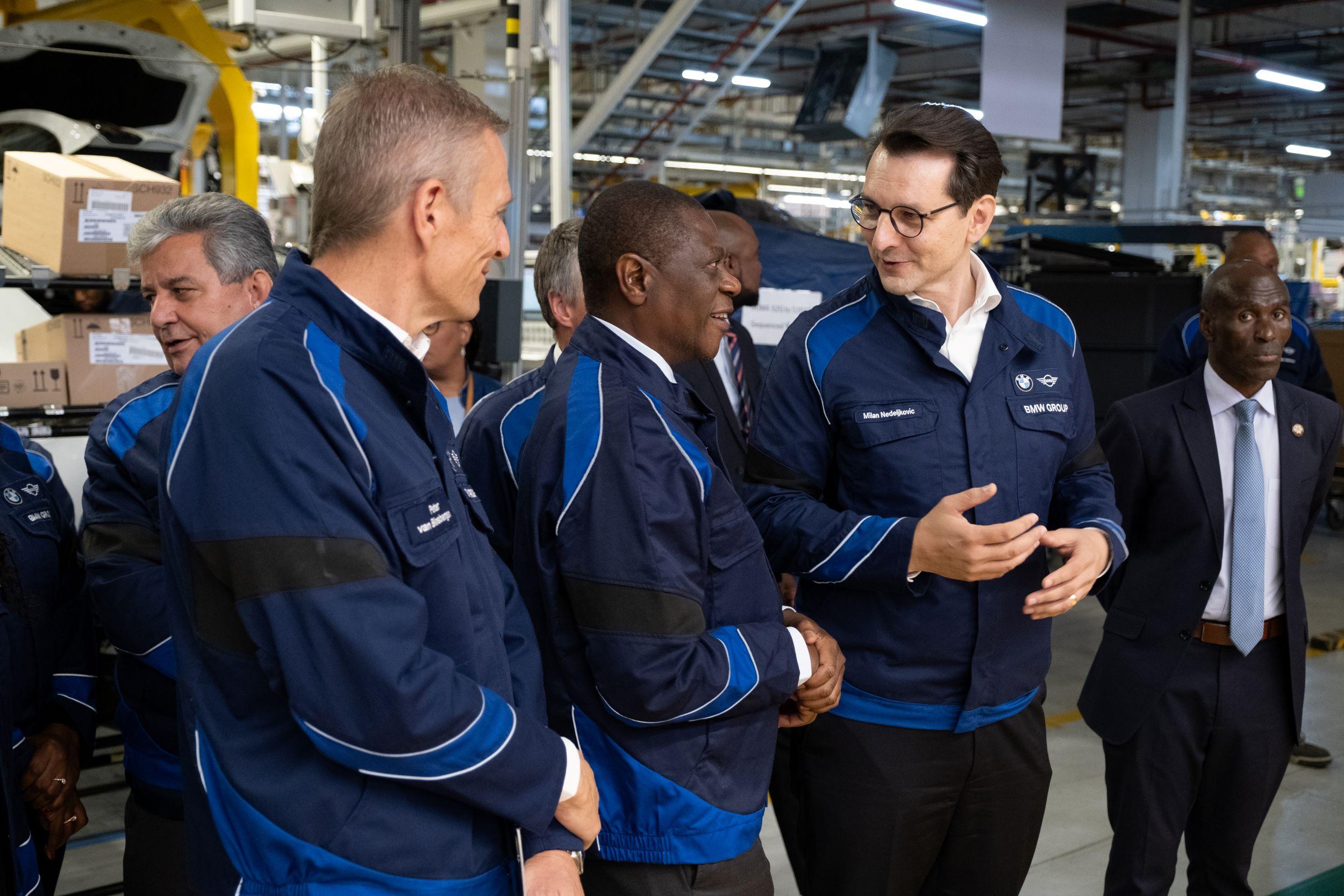
Peter van Binsbergen (CEO of BMW SA), Paul Mashatile (Deputy President of South Africa) and Milan Nedeljković (BMW AG Board Member for Production).
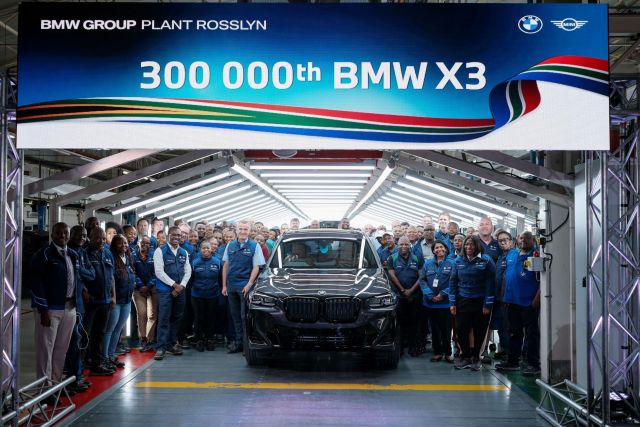
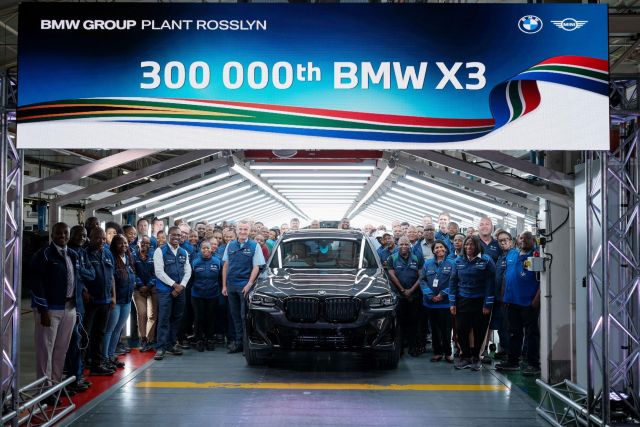
The Rosslyn plant has produced more than 1.6 million vehicles to date and exported them to more than 40 countries worldwide, including 14 nations in Africa. The production portfolio in Rosslyn included the BMW 1800 SA and BMW 2000 SA, as well as BMW 5 Series and BMW 7 Series vehicles. Rosslyn was an important pillar for the production of the BMW 3 Series from 1983 until 2018 when the BMW X3, the best-selling BMW vehicle in South Africa, started rolling off the assembly line.
Founded 50 years ago as the first BMW Group plant outside Germany, the BMW Group Plant Rosslyn site has been a stable constant in the company's worldwide production network ever since.
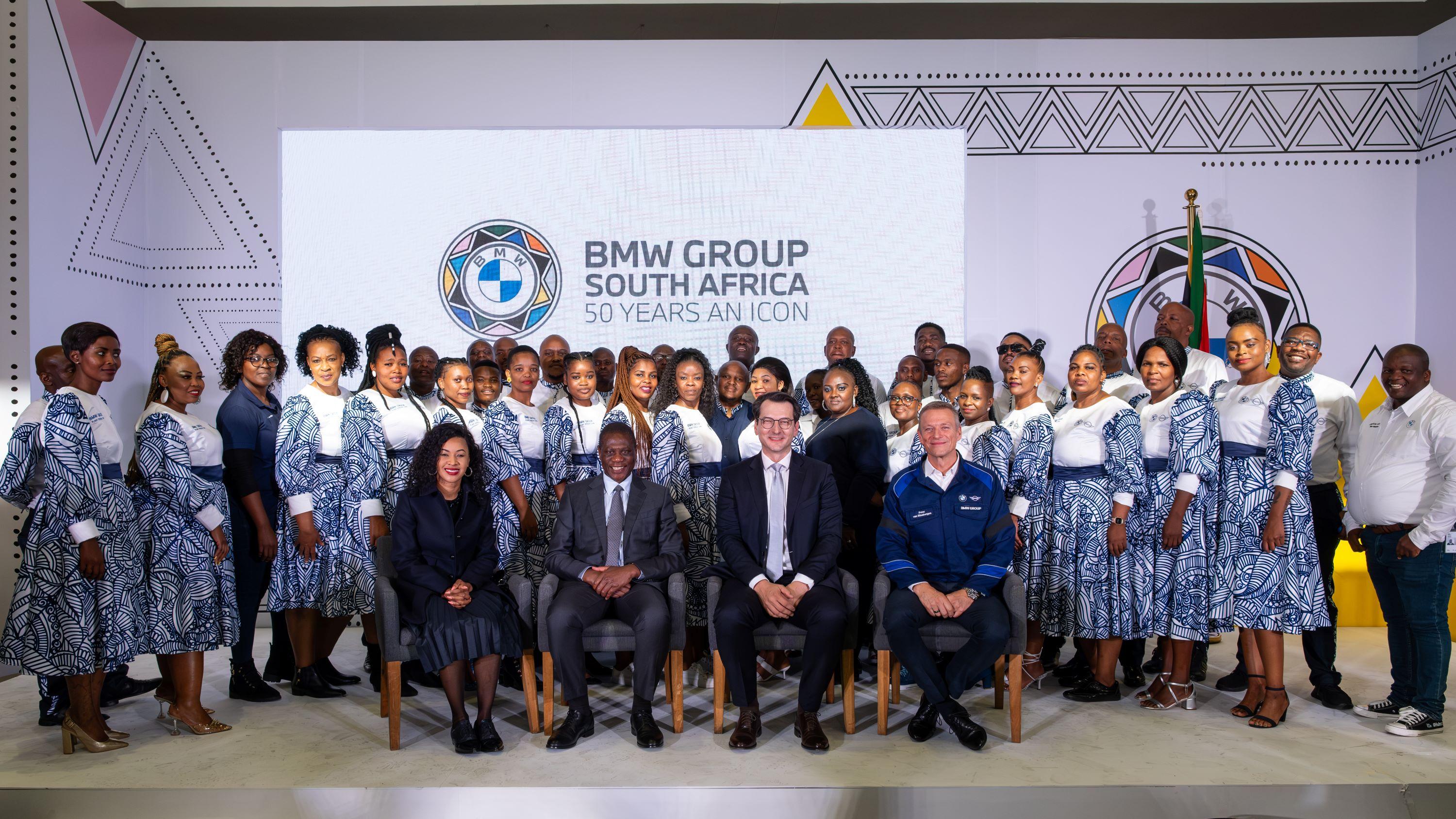
BMW’s manufacturing plant in Rosslyn, Pretoria.The guests and employees at the announcement function.
Milan emphasised that the BMW Group builds more than just cars in this country: “In South Africa, we have not only built a plant that creates jobs and contributes to industry. Furthermore, we have been demonstrating here for years what social responsibility means.”
It was also announced that the BMW Group will donate R30 million (1.5 million EUR) to support a United Nations Children’s Fund (UNICEF) programme. The BMW Group and UNICEF will embark on a joint effort targeted at thousands of South African primary and secondary school learners to extend and deepen their knowledge of science, technology, engineering, arts and mathematics (STEAM).
“For 50 years, BMW Group South Africa has been practising sustainable development through social investment, particularly in education. We are honoured to have UNICEF’s support as we inspire and mould a new generation of leaders who will continue the BMW Group’s success story in South Africa for the next 50 years,” Milan concluded.
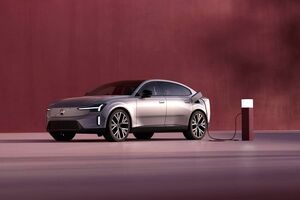
Charging time remains a worry for many South Africans considering an electric vehicle, who still see it as a disruption rather than a quick stop at a filling station. That view is starting to shift.
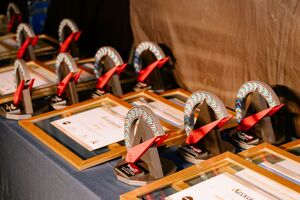
The winners of the 2026 Automotive Business Council | naamsa Accelerator Awards were announced at the recently held Auto Week 2026, which took place in eThekwini, KZN.
When Cobus Coetzee (photo) accepted the opportunity to join the Morgan Group in Upington, he had to weigh up more than a new position. The move meant exchanging the West Coast’s cooler climate and seaside lifestyle for the Northern Cape’s desert heat, while taking responsibility for a multi-franchise operation spread across several premises.
The winners of the 2026 Automotive Business Council | naamsa Accelerator Awards were announced at the recently held Auto Week 2026, which took place in eThekwini, KZN.
With the steep rise in fuel prices since March this year leading to historic record highs following massive increases in October, the government intervention annouched this week, is widely welcomed.
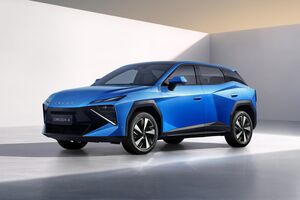
Omoda has confirmed that the new C4 will become the first model from the Chery Group to be built in South Africa, with production set to take place at the company's Rosslyn manufacturing facility in Gauteng.