
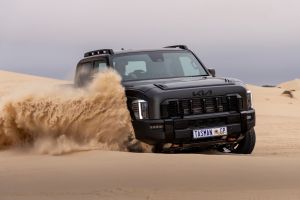
Kia’s Tasman bakkie arrives in South Africa
Kia has taken a bold step into one of South Africa’s most competitive automotive segments with the launch of the Tasman, its first-ever double cab bakkie.
- Product News
- 9 April 2026
The South African automotive industry is getting another boost with the inaugural Nelson Mandela Bay Manufacturing Showcase where Stellantis intends to build a new greenfield plant that will create 1 000 jobs and produce 50 000 vehicles a year.
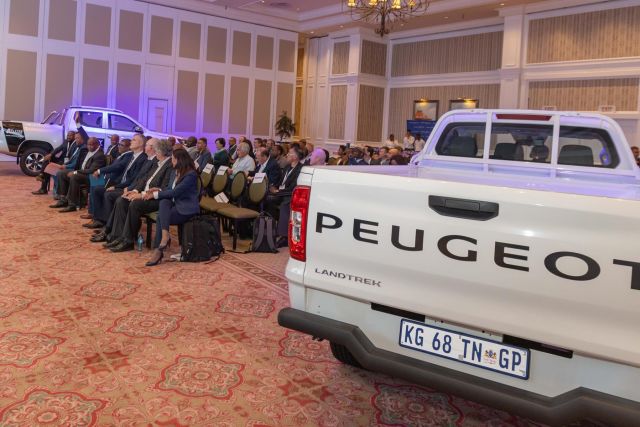
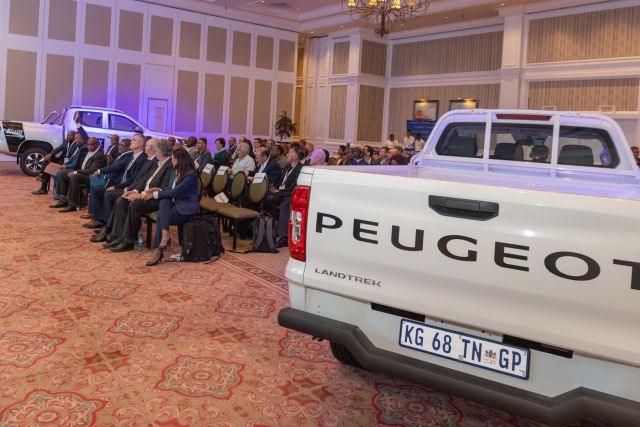
Stellantis is privileged to have been invited by the Nelson Mandela Bay Chamber of Commerce to open the chamber’s first ever “Bay of Opportunity Manufacturing Showcase” currently being held over two days in Gqeberha in the Eastern Cape, says Stellantis SA Managing Director, Mike Whitfield.
Nelson Mandela Bay is home to most of South Africa’s automotive manufacturing and almost all of the component sector, and it is here where Stellantis intends building its R3-billion state-of-the-art automotive assembly plant later this year.
“The project,” Mike says, “underlines the importance Stellantis places on Nelson Mandela Bay as an automotive manufacturing hub and a gateway for the company to build vehicles for export into the rest of Africa and the Middle East.
“The investment underscored Stellantis’s philosophy of the circular economy; investing in the areas in which it operates, creating jobs and stimulating the local economy.”
The building of the plant is part of Stellantis’s Dare Forward 2030 strategy to produce a million units a year, with 70% localisation and achieve 22% market share in the Middle East and Africa by 2030, in tandem with the existing Stellantis manufacturing operations in North Africa: in Morocco, Algeria, Tunisia and Egypt.
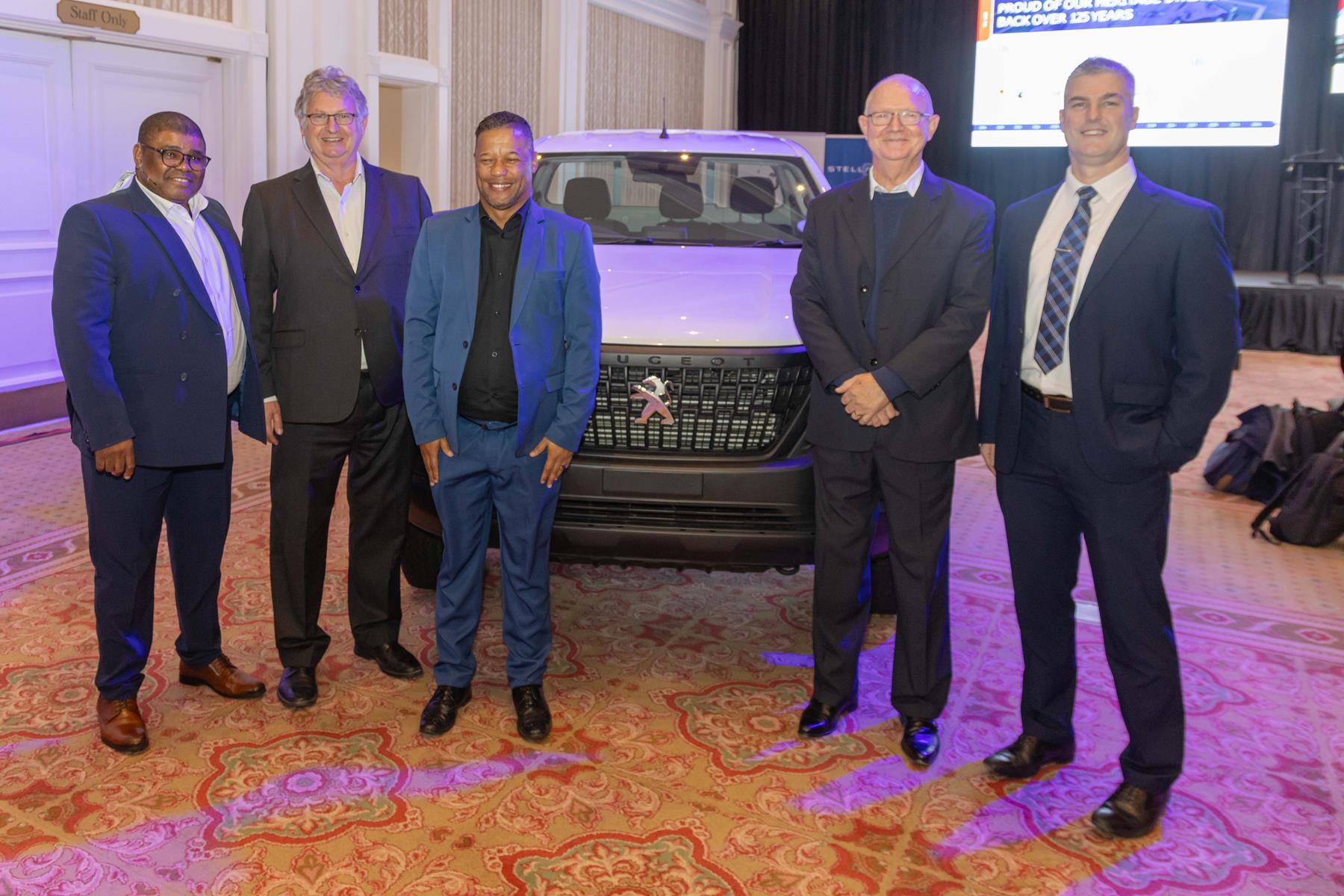
Construction is scheduled to begin very shortly following the finalisation of the Joint Venture agreement between Stellantis and South Africa’s Industrial Development Corporation, which will be a 49% shareholder. The land for the 32.5 ha site is being provided by the Coega Development Corporation, which has completed the removal and rehoming of all flora and fauna in terms of the environmental impact assessment report.
Construction is expected to be completed by the end of 2025, with production of the Peugeot Landtrek 1-ton pick-up scheduled to start in Q1 2026. The plant will directly employ 1 000 people and have an initial production target of 50 000 vehicles a year, but this will be scalable to a potential 90 000 vehicles a year, with the majority destined for export.
“This plant will, however, be so much more than a physical building producing vehicles, it will be a testament to the enabling environment that government and agencies like the Department of Trade, Industry and Competition, the Industrial Development Corporation and the Coega Development Corporation has created.
“Investment in the automotive industry is a long-term process and there can be no investment of any kind without a legislative environment that ensures the playing fields are levelled, the interests of investors are protected, together with a roadmap that guides all stakeholders,” Mike says.
Kia has taken a bold step into one of South Africa’s most competitive automotive segments with the launch of the Tasman, its first-ever double cab bakkie.
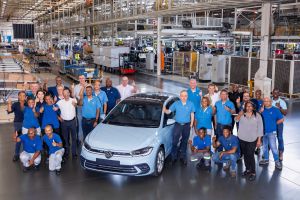
Volkswagen Group Africa (VWGA) has reached another major milestone with the production of the 500 000th unit of the current Polo for the export market.
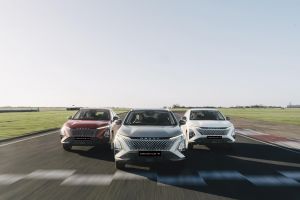
OMODA has expanded its South African lineup with the arrival of the C5 SHS hybrid, a new addition to the C5 range.
 Advertisement
 Advertisement
Have you ever noticed that anybody driving slower than you is an idiot, and anyone going faster than you is a maniac?
George Carlin
Volkswagen Group Africa (VWGA) has reached another major milestone with the production of the 500 000th unit of the current Polo for the export market.
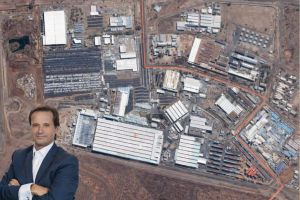
Nissan South Africa has agreed to sell its Rosslyn production facility after 60 years of operation. The plant, which produced models such as the 1400 ‘Champ’ bakkie, NP200 and Navara, was acquired by Chery SA. The Chinese automaker has sold over 80,000 vehicles locally since 2021 and is now strengthening its African presence.

Following an intense national selection process that pushed participants to the limit, South Africa’s representatives for the 2026 Defender Trophy global final have been decided.