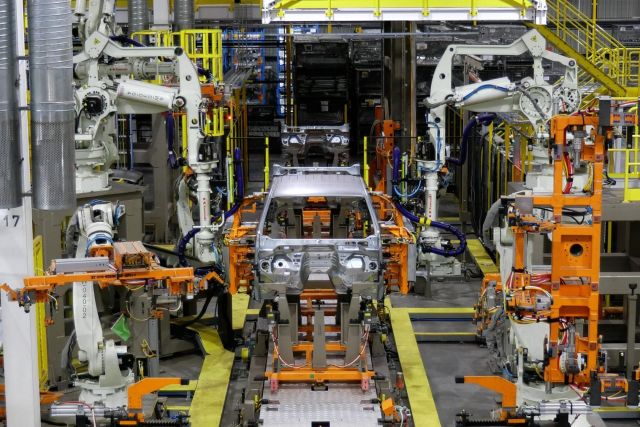
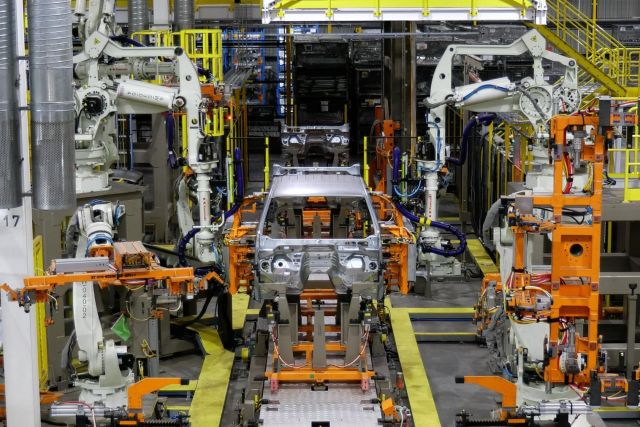
Business at Ford’s manufacturing plant in Silverton Pretoria is getting back to normal but the risk of interrupted power supply remains, Ford says.
Share with friends
The problems arose when overhead powerlines collapsed over the N4 on 10 April after a huge storm that left large parts of Pretoria, especially in the eastern part of the city, without electricity. This included the Ford plant and related industries in the Ford supply chain.
Production was suspended on 11 April and restored in stages starting on the evening of April 12, when production has slowly resumed.
The estimated total loss of production during the down days was 1 440 units. and a dark picture of the impact of the shutdown for an extended period was sketched by Ford Africa’s president, Neale Hill.
Ford tells Dealerfloor that the scale of the Eskom infrastructure concern holds the risk of interrupted supply. “However, we continue to liaise with Eskom and local government as they work to balance the system and fully restore the network.”
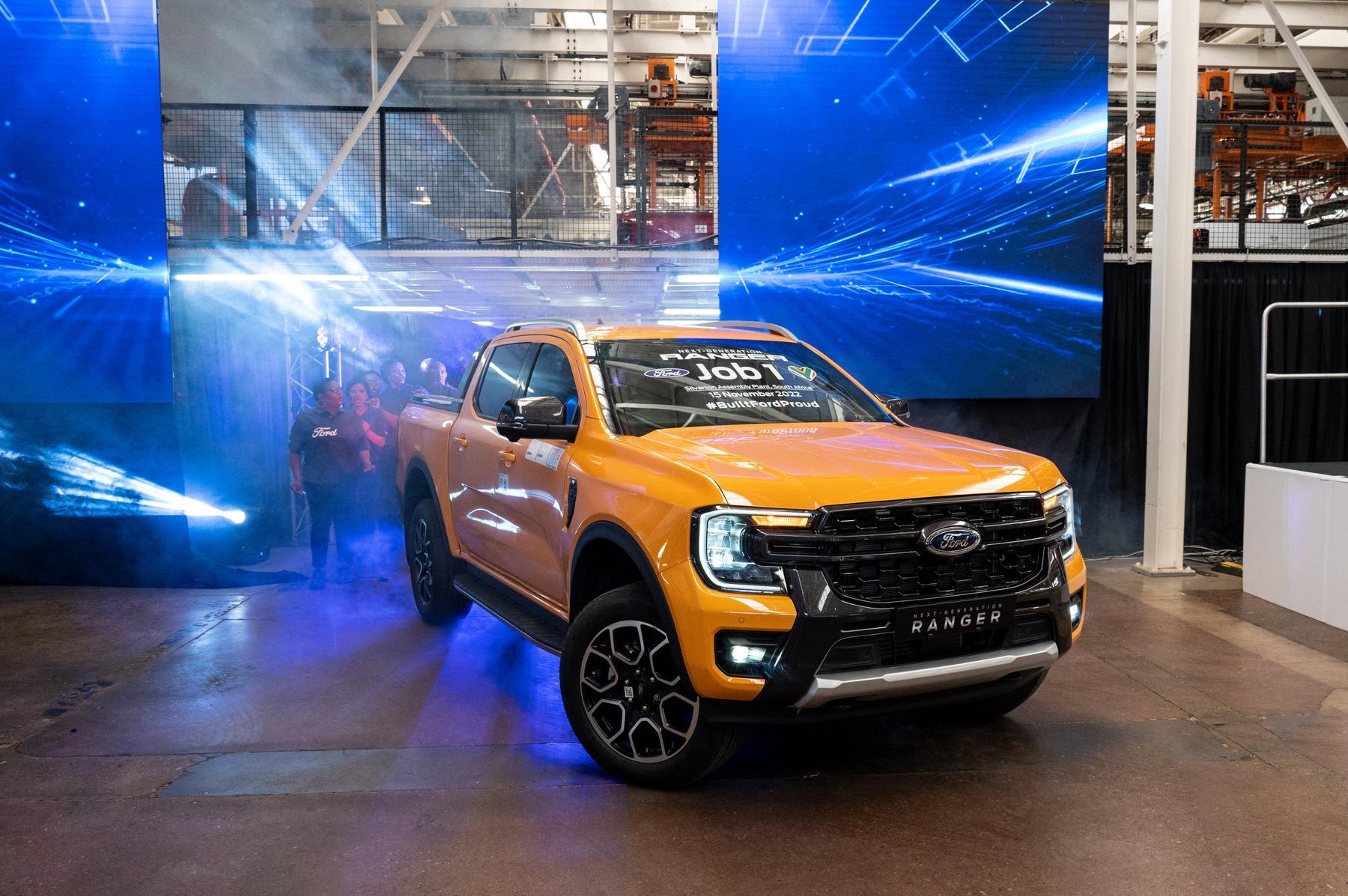
The newly upgraded Silverton plant is currently the second largest in the world producing the new generation Ford Ranger as well as the Volkswagen Amarok, both for local consumption and export to more than 100 markets. More than 700 Ranger pick-ups are manufactured in Pretoria every day utilising three shifts working at the plant.
Zero Carbon Charge (CHARGE) welcomes the government’s extension of short term fuel levy relief measures aimed at cushioning consumers from rising fuel prices, but cautions that these interventions do not address the underlying structural challenge facing South Africa’s transport economy.
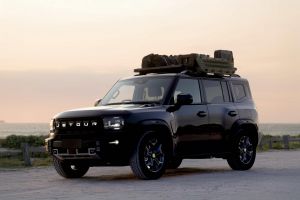
At Auto China 2026 this weekend, President of Jetour International, Ke Chuandeng, made the announcement that from 2027, Jetour will be producing some of their models locally in South Africa
At Auto China 2026 this weekend, President of Jetour International, Ke Chuandeng, made the announcement that from 2027, Jetour will be producing some of their models locally in South Africa
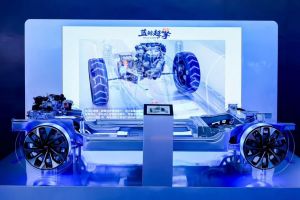
Changan has unveiled its ambitious “1+4+4+5” global strategy, signalling a determined push to become one of the world’s top ten automotive brands by 2030.