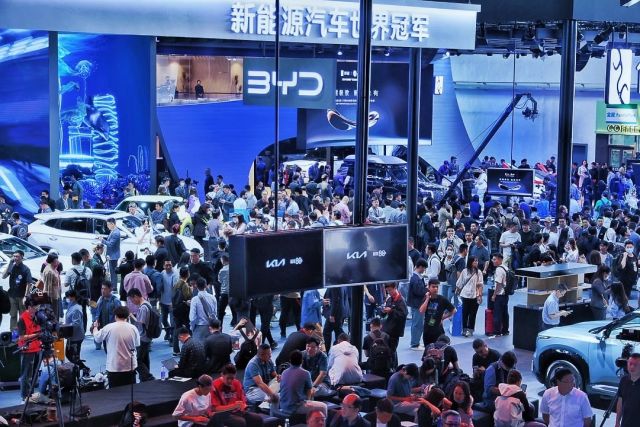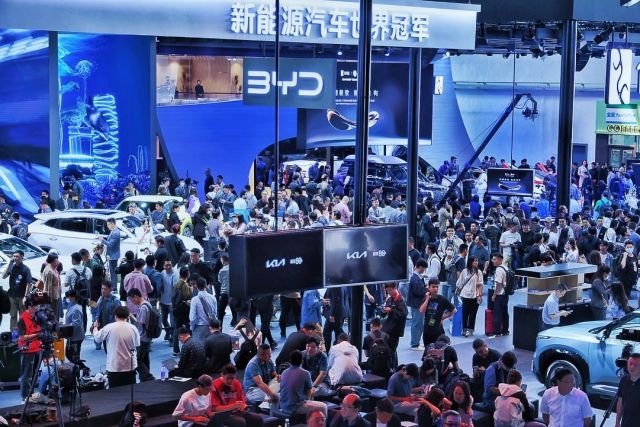
Launched in 1990, the Beijing motor show initially served as a window for foreign brands entering China through joint ventures. Over time it has become a key date on the international calendar, often revealing not just new models but broader shifts in technology, consumer demand and industrial strategy.
The 2026 show arrives as the industry enters a phase of consolidation after years of rapid change. Electrification remains the dominant theme, yet the emphasis has clearly shifted. Rather than bold concepts, exhibitors have focused on vehicles that are close to or already in production.
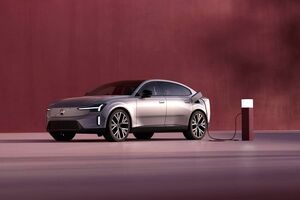
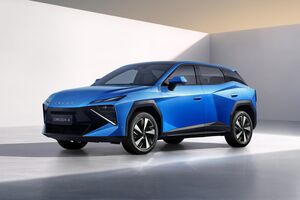
Chinese manufacturers are expected to present a broad range of electric cars built on flexible platforms that can support multiple body styles while controlling costs, a crucial advantage in an increasingly competitive domestic market.
Battery development continues to attract attention, though priorities are evolving. Visitors can expect announcements centred on charging speed, long term durability and performance in hot and cold climates. Recycling and second life applications for batteries are also likely to feature more prominently, reflecting a wider view of sustainability that goes beyond the vehicle itself and into the supply chain.
Digital technology is set to be one of the most visible aspects of Auto China 2026. Software defined vehicles, advanced driver assistance and integrated digital ecosystems have become core to product positioning.
Chinese technology companies play a prominent role, highlighting how closely the automotive and tech sectors are now linked. For many local consumers, seamless connectivity and intuitive interfaces are as important as powertrain choice.
Global brands are also keen to make their intentions clear. Auto China has become a crucial platform for demonstrating long term commitment to the Chinese market, and 2026 is expected to see several models developed specifically for local preferences. Design, interior layout and digital functions are increasingly tailored to Chinese tastes, underlining how strategies have shifted from adapting global cars to creating region specific products.
Looking at its history, Auto China has often provided early signals of broader industry change. In 2026 it reinforces China’s position not just as the world’s largest car market, but as a driver of trends that will increasingly shape the global automotive landscape.
(Photo of a previous auto show in China).