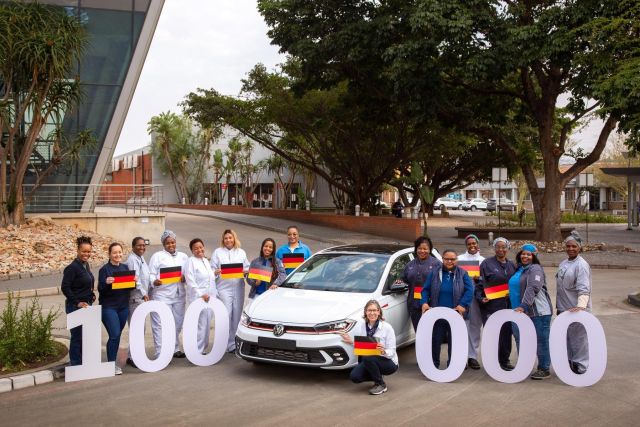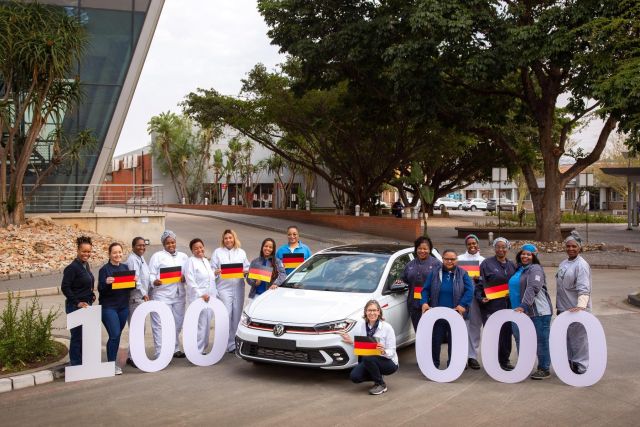
The Kariega plant, which has been building the Polo since 2018, began production of the facelifted Polo on 16 August 2021 – which means the plant manufactured 100 000 Polos in just over 12 years.
The special 100 000th vehicle, a white left-hand-drive Polo GTI destined for Germany, marked the 74 688th Polo built this year. Of the 100 000 vehicles, 88 163 Polos were exported to 38 countries, while 11 837 Polos were delivered to the South African market.
VWSA has already celebrated multiple milestones around the Polo this year, reaching its 1-millionth Polo built for export in May, and the 500 000th Polo (including the facelift and the model launched in 2018) in July.
VWSA currently builds this vehicle for all right-hand-drive markets and supplements production for left-hand-drive markets. It is also the sole manufacturer worldwide of the Polo GTI.
“To reach this milestone under normal circumstances is an achievement; to do so under the difficult circumstances of the last year are an absolute testament to the dedication and perseverance of the VWSA team,” said Ulrich Schwabe, Production Director at VWSA.
“I am proud of every employee who has contributed to this achievement, and I look forward to celebrating many more milestones with the VWSA family,” he concluded.