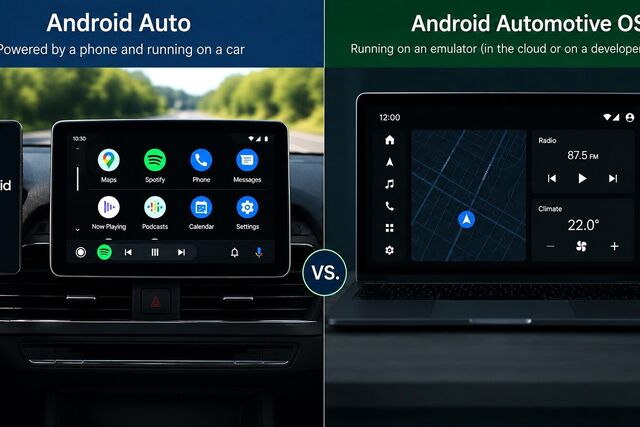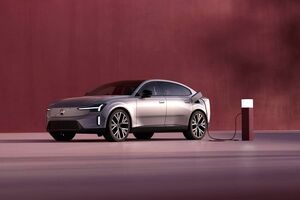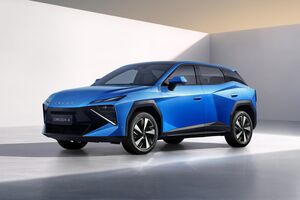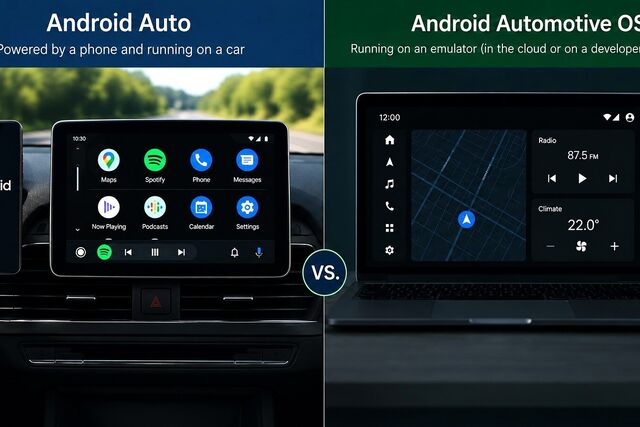
One is a phone-powered projection system for your dashboard, while the other is a full operating system built into the car itself.
Android Auto is the simpler and more familiar of the two. It runs on your Android phone and projects a driving-friendly interface onto a compatible car display. In practice, the car screen becomes a safer, larger place to use selected phone apps such as navigation, music, calls and messaging. Your phone still does most of the work, and the car mostly provides the display, speakers, microphone and controls. Depending on the vehicle and handset, Android Auto can connect by USB cable or wirelessly.
That phone dependency is central to the appeal. If you move between compatible cars, your apps, contacts, preferences and Google account experience come with you. It is similar in principle to Apple CarPlay: the car does not need to run Android for Android Auto to work, and the built-in infotainment system remains separate.
Android Automotive OS is a much deeper technology. It is an Android-based operating system installed directly on the vehicle’s hardware. Instead of depending on a phone, it runs natively in the car and can support the manufacturer’s built-in infotainment experience. Because it is part of the car’s own software stack, it can be integrated with vehicle functions such as climate controls, energy information, instrument displays, seat settings, audio systems and, in electric vehicles, charging and range data.
This is where Google built-in often adds confusion. A car can run Android Automotive OS without necessarily including Google’s familiar apps. Google built-in refers to a separate licensed package of Google Automotive Services, which may include Google Maps, Google Play, Google Assistant or Gemini, depending on region, model and software version. In short, Android Automotive is the platform; Google built-in is an optional layer of Google services that may sit on top of it.
The easiest way to remember the difference is this: Android Auto brings your phone into the car, while Android Automotive makes Android part of the car. Android Auto is portable, familiar and dependent on the device in your pocket. Android Automotive is embedded, more powerful and controlled by the vehicle maker.
Neither system automatically excludes the other. A car can run Android Automotive OS and still support Android Auto, meaning drivers may have both an integrated car operating system and the option to project their phone. The difference is not about which one is “better”, but about where the intelligence lives: in your phone, or in the vehicle itself.