
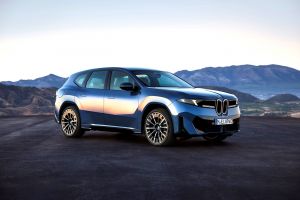
BMW iX3 crowned World Car of the Year 2026 as EVs lead the way
The BMW iX3 has been named World Car of the Year 2026, with the announcement made at the New York International Auto Show on 1 April.
- Industry News
- 2 April 2026
South Africa’s macroeconomic landscape presented a rare alignment of positive shifts in inflation, fuel pricing, fiscal credibility and monetary policy in November, with each contributing to improved affordability and confidence across households and firms.
So says the Automotive Business Councill | naamsa in its reaction to yet another good month for new -ehicles sales in South Africa.
Fuel prices fell sharply in November 2025, petrol by 51 cents a litre, diesel by up to 21 cents and LPG by 70 cents per kilogramme, owing to softer international oil prices and a firmer currency. Although the immediate effect on November sales is naturally lagged, the benefits for transport-intensive sectors and household operating costs are material. These reductions reinforce forward-looking confidence and lower the total cost of ownership for vehicle buyers.
Labour market data showed an improvement, with unemployment declining to 31.9% in Q3 2025 from 33.2%. While this recovery remains fragile and does not directly translate into immediate sales acceleration, it signals stabilisation in broader economic conditions, an important psychological anchor for durable-goods demand over the medium term.
The 2025 Medium-Term Budget Policy Statement reinforced South Africa’s fiscal credibility by maintaining the primary surplus trajectory, endorsing the newly formalised 3% inflation target and sustaining firm expenditure discipline.
This was followed by S&P Global’s sovereign credit rating upgrade, which lifted the foreign-currency rating to BB and the local-currency rating to BB+, the first upgrade in almost two decades. The decision reflects advances in fiscal consolidation, improved revenue performance and notable gains at state-owned enterprises, particularly Eskom’s return to profitability.
The upgrade strengthens South Africa’s macro-economic positioning and improves the country’s funding outlook, which will, over time, support better credit terms for consumers and businesses, including those financing new-vehicle purchases.
Inflation trends remained favourable. Headline CPI rose slightly to 3.6% y/y in October, driven by base effects in fuel prices, while core inflation eased to 3.1%, supported by declining durable goods prices and continued disinflation of imported goods. Food inflation moderated to 3.9% on the back of lower vegetable prices and a strong maize harvest. The inflation profile for 2025 is expected to average 3.3%, firmly within the SARB’s target and reinforcing a low-inflation environment.
This backdrop enabled the South African Reserve Bank to deliver a 25bp rate cut, reducing the repo rate to 6.75% at its first MPC meeting under the formal 3% inflation target. Although the Bank retained a cautious forward-guidance tone, the shift marks a gradual departure from the restrictive policy stance that has characterised recent years, supporting affordability and improving sentiment heading into 2026.
Re-emergent geopolitical tensions between South Africa and the US administration following the G20 Summit, where the US announced that South Africa would not be invited to the 2026 gathering, alongside a Senate bill proposing a two-year AGOA extension that will explicitly exclude South Africa, remain a source of potential volatility. Given the automotive industry’s significant export exposure, naamsa continues to monitor these developments closely.
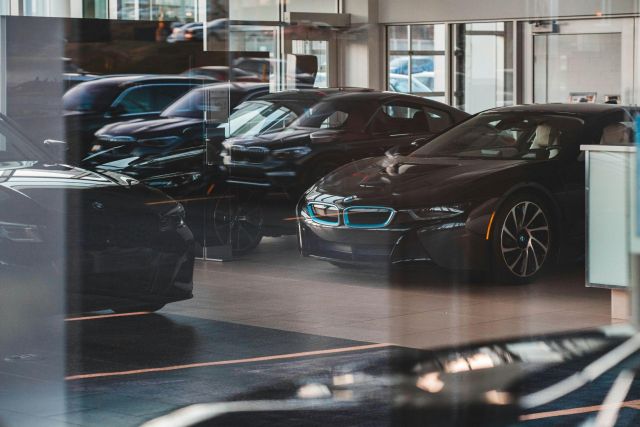
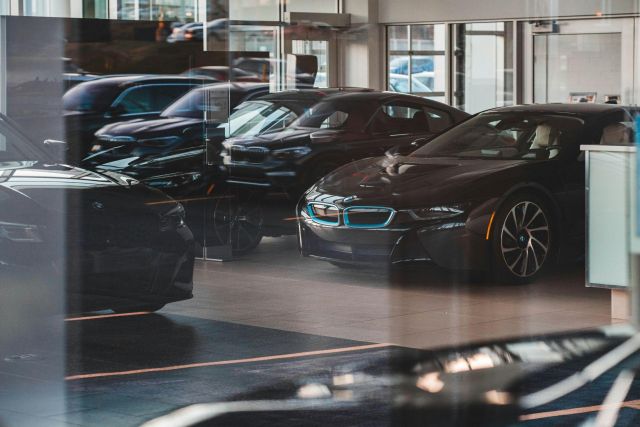
Photo: Erik Mclean - Unsplash
The BMW iX3 has been named World Car of the Year 2026, with the announcement made at the New York International Auto Show on 1 April.
Retail new vehicle sales continue to surge in South Africa despite global and regional conflicts, local floods and droughts.
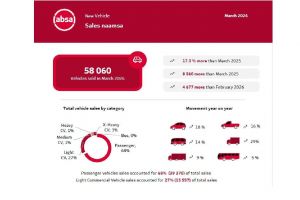
South Africa’s new vehicle market delivered a standout performance in March 2026, extending its domestic growth trajectory to the strongest level seen in nearly two decades.
 Advertisement
Advertisement
Advertisement
I have bad reflexes. I was once run over by a car being pushed by two guys
Woody Allen
The BMW iX3 has been named World Car of the Year 2026, with the announcement made at the New York International Auto Show on 1 April.
Retail new vehicle sales continue to surge in South Africa despite global and regional conflicts, local floods and droughts.
South Africa’s new vehicle market delivered a standout performance in March 2026, extending its domestic growth trajectory to the strongest level seen in nearly two decades.