Absa’s Eyesight taxi project brings clearer vision and safer roads
Absa’s Eyesight Project has grown into one of the bank’s most meaningful safety interventions in the taxi industry, improving both driver well-being and commuter safety across several provinces.
Share with friends
The initiative is funded through a development fund jointly created between Absa Taxi Finance and CFAO Mobility Group, one of the bank’s long-standing vehicle finance partners, says Fulufhelo Mandane, Executive: Strategic Partnerships at Absa Vehicle and Asset Finance.
The Eyesight Project became the flagship programme after Absa and CFAO began approaching taxi associations to understand what type of support would have the most meaningful impact.
“The associations suggested various ideas, and Absa and CFAO looked closely at road safety and the high number of taxi-related incidents, given that taxi transport accounts for nearly 70 percent of public transport.
Fulufhelo at a recent event where Absa Vehicle and Asset Finance announced a special finance package in support of taxi drivers and owners.
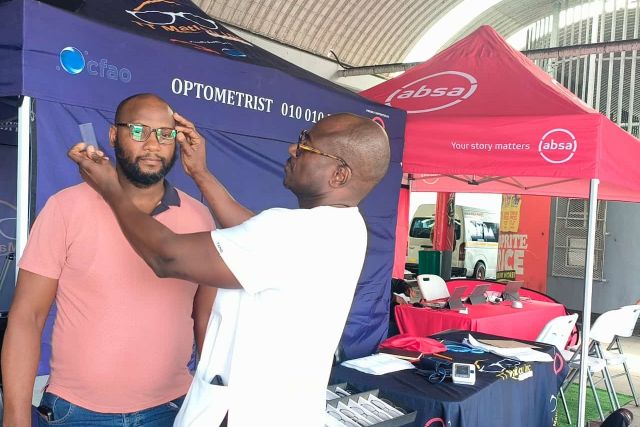
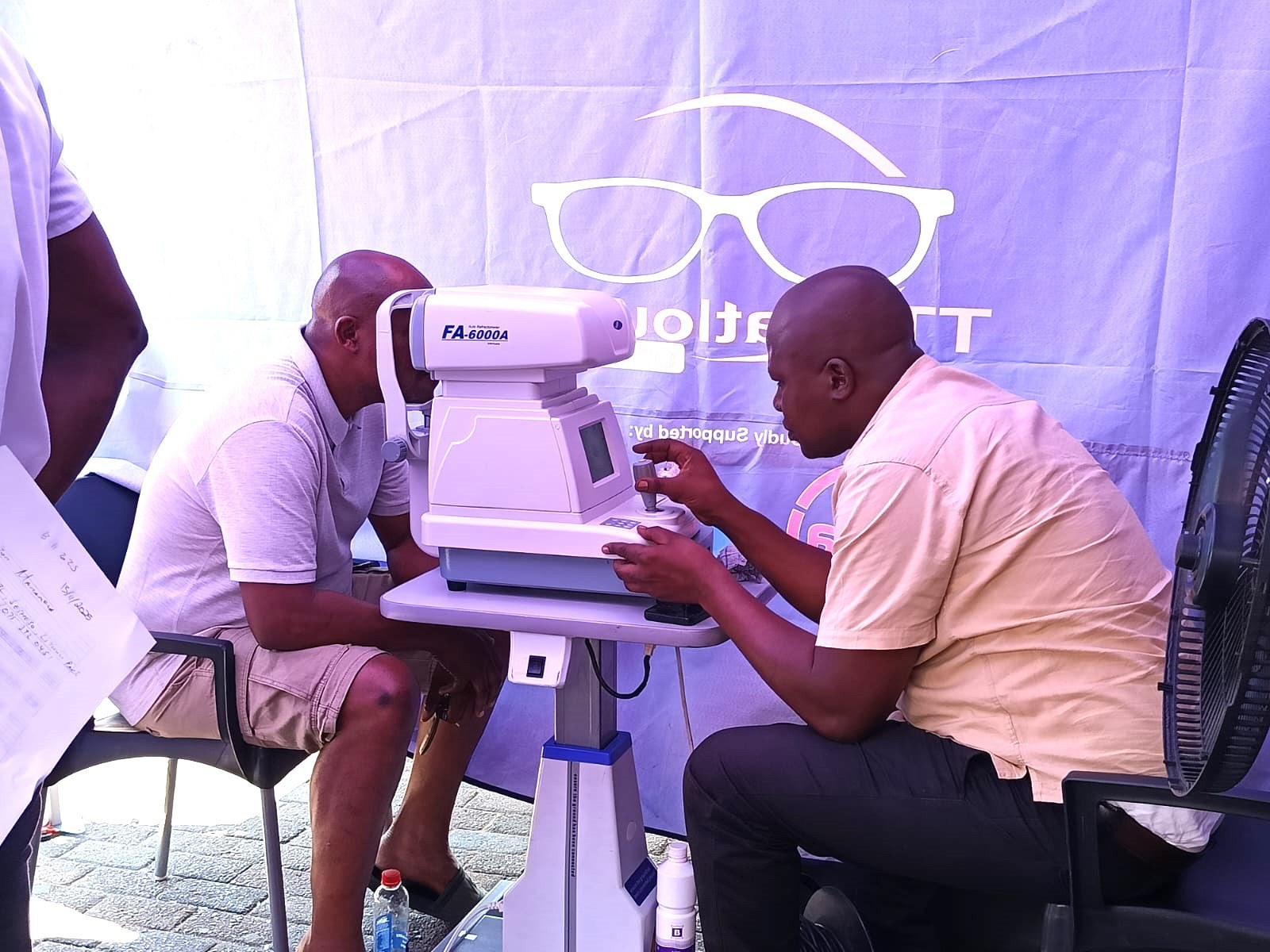
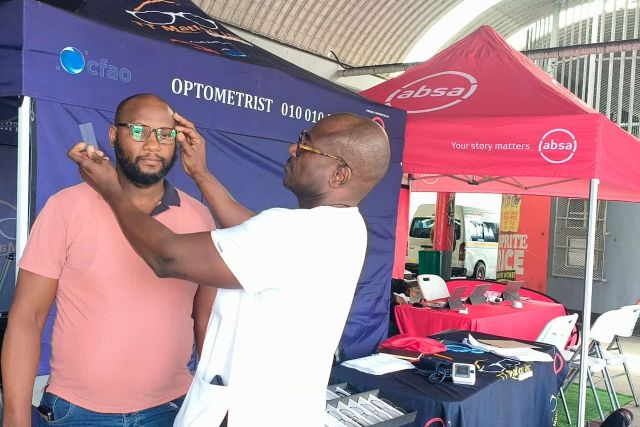
“This led to discussions with an eye specialist and a decision to determine whether poor driver vision contributed to accidents. Despite taxi drivers holding valid licences, the team believed it was necessary to test them more comprehensively than the standard licensing eye check,” Fulufhelo says.
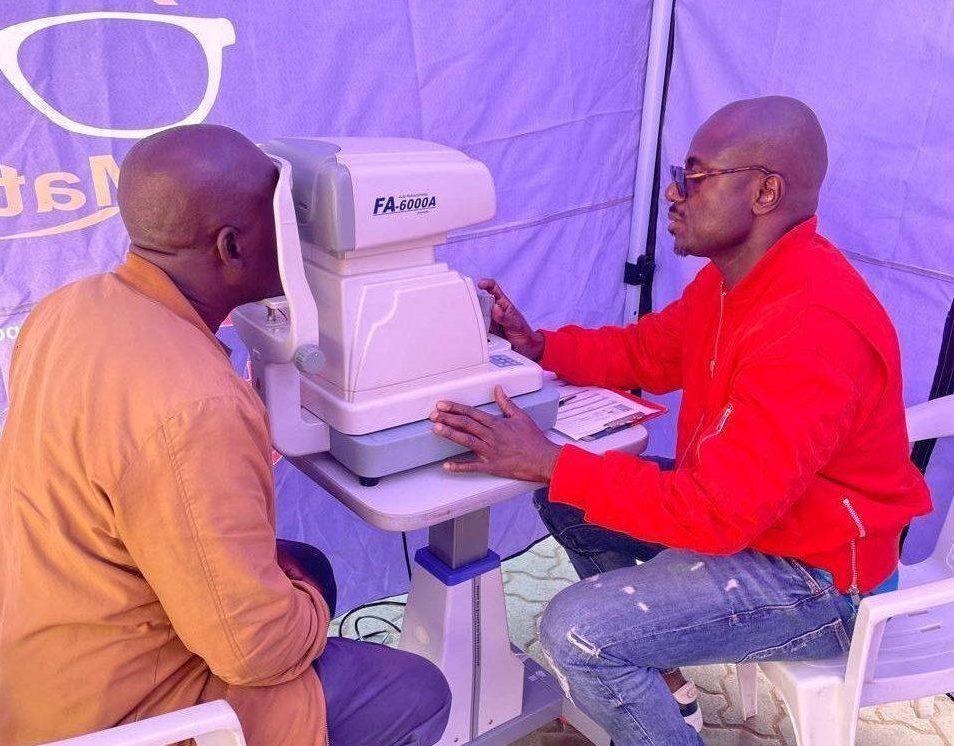
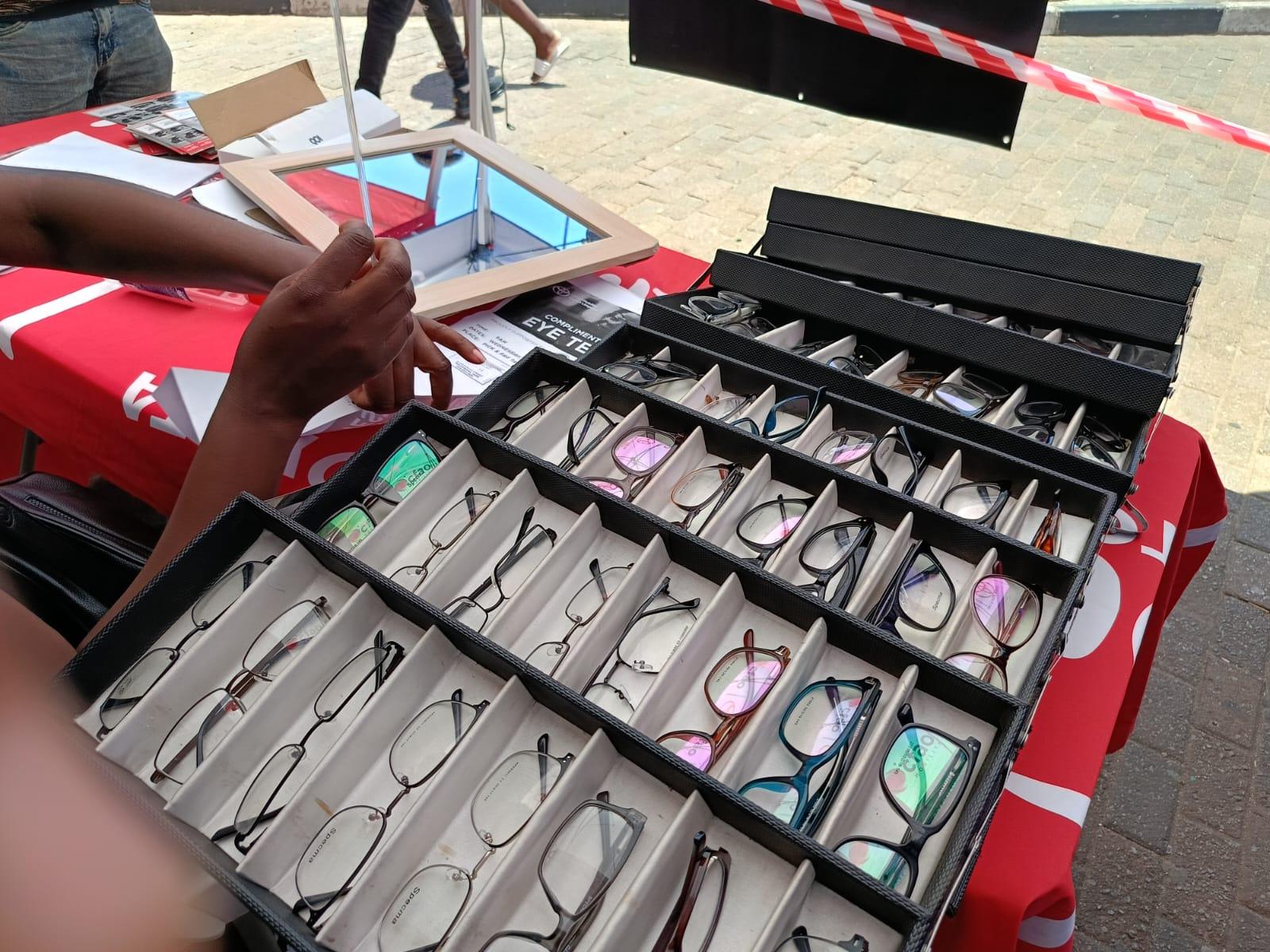
“The project started modestly with two taxi associations in Gauteng. The findings were alarming. Just below 60 percent of the drivers tested had poor eyesight. Spectacles were issued to everyone who required them, with follow-ups done later,” he tells us.
The project expanded significantly throughout 2024 and into early 2025. Absa and its medical partner tested more than 1 700 taxi operators across Gauteng, in Bloemfontein and the Western Cape. In summary, on average, about 60 percent of the drivers we tested, needed eye care in the form of spectacles.
This year, as part of the Arrive Alive campaign and Absa’s broader community involvement, the project moved to Limpopo. The province was selected because drivers there tend to be older. The ages of a large number of drivers in the province ranged from 40 to just over 60 years. Age-related deterioration of eyesight was expected to be more common. “Of 419 drivers tested, the eyesight of 71 percent of them was not up to standard. A total of 295 pairs of spectacles were prescribed,” Fulufhelo tells Dealerfloor.
He says the testing also uncovered broader health and environmental issues. Before testing eyesight, the doctor checked each driver’s blood pressure. Many operators recorded dangerously high readings.
In such cases, the doctor referred them to a clinic for treatment. The doctor’s report confirmed that some of the eyesight issues were affected by other medical conditions, with high blood pressure being a major factor.
Regional differences also emerged from the testing results. In Bloemfontein, it appears as if the area that they are operating in, which was sunny and dusty, affected eye test results. Limpopo showed similar environmental pressures, along with age. In the Western Cape, humidity played a role.
The team also tested association executives, treasurers and chairpersons as they are they business leaders responsible for the many taxi drivers and commuters.
Follow up is an important part of the programme, says Fulufhelo. The doctor’s team maintains a database of everyone tested and does follow-ups with some of the individuals, especially those who were struggling. “Absa will meet with the doctor after the December cycle to review how drivers were adapting and whether any issues have emerged with frame quality or prescription strength and other related issues,” he says.
Dealerfloor
asked him what the next step was.
“Absa and CFAO aim to take testing to the Eastern Cape, keeping safety in mind. KwaZulu-Natal and the North West have been considered, but limited dealership support and association participation have delayed roll-out. We expect this to be resolved in the near future.”
He says that at each testing site Absa also brings its banking teams to help operators open and manage accounts. “In addition to promoting safety, we want to equip taxi operators with access to financial services and advice . Ultimately, the initiative exists for one purpose – to make commuters safer on the road with drivers that have better eyesight.”
Taxi Associations Tested
Gauteng
Bloemfontein
Western Cape
Limpopo
Summary
%
Total number of Taxi operators Tested
1005
366
350
419
2140
100%
Patients Requiring Spectacles
521
227
205
295
1248
58%
Patients referred for further Eye Investigation
53
1
2
23
79
4%
Patients with vision problems compounded by high blood pressure
As fuel prices continue to climb across South Africa, many motorists are beginning to question whether owning a car still makes financial sense. With in-land petrol prices now at R26.63 a litre and diesel costs rising sharply in May, transport expenses are placing growing pressure on household budgets.
Pinewood.AI has added two new embedded modules to its Business Intelligence Solution, giving dealers and OEMs greater insight into financial performance and the customer journey, it says.
Pinewood.AI has added two new embedded modules to its Business Intelligence Solution, giving dealers and OEMs greater insight into financial performance and the customer journey, it says.
Margins are shrinking, customers are under financial strain, and competition is intensifying across South Africa’s motor retail sector. Against this backdrop, dealerships are being forced to rethink how they remain profitable while still building customer trust and long term sustainability.
Ford will launch seven new models in Europe by 2029, it announced recently, as it seeks to grow its flagging passenger car sales, fend off fierce competition from Chinese rivals and maintain an edge in the continent's commercial vehicle market.