

Kia’s Tasman bakkie arrives in South Africa
Kia has taken a bold step into one of South Africa’s most competitive automotive segments with the launch of the Tasman, its first-ever double cab bakkie.
- Product News
- 9 April 2026
The Automotive Sector is a dynamic industry that can experience rapid change in a short space of time, making it lucrative for the right type of investment.
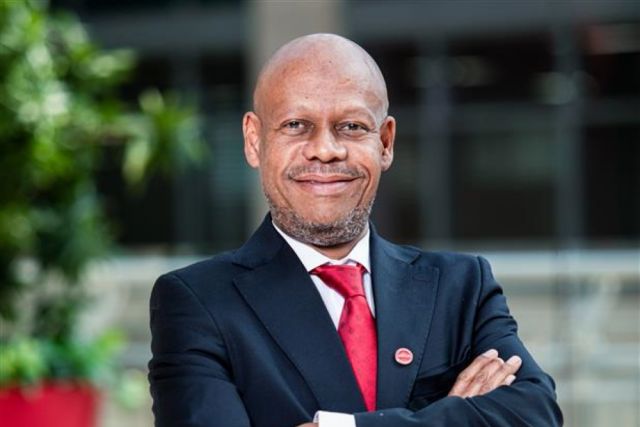
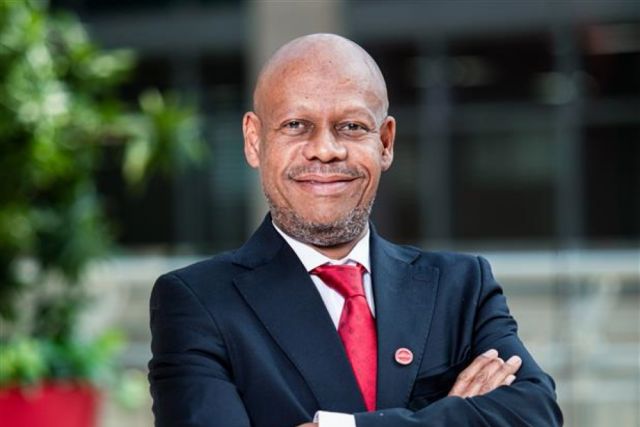
So says Kgalaletso Tlhoaele, Enterprise Development Executive at Absa Business Banking.
Speaking at recent automotive industry event, Kgalaletso indicated that growth in this industry is largely explained by the nature of competition and changing consumer demands. The industry is made up of an entire value chain, which includes players from various sectors, from manufacturing to trade. This industry has seen a transition over the past few years, driven by various factors that have contributed to changes in the economy.
The proportion of income generated by large enterprises (R1bn turnover per annum+) has declined over time. In contrast, the contribution of both medium and small enterprises (between R5m and R500m turnover per annum) to total income has increased. This shift suggests two possibilities. First that large enterprises are downsizing operations and/or that the industry is opening up to more medium and small firms.
The tyre segment is the largest followed by vehicles parts, lubricants, batteries, brake parts and paint.
But what drives change in this sector?
There are various drivers of growth and change in this industry, which can be divided into two main categories. Consumer preferences are a major influencer of decisions that affect change as consumers are ultimately the biggest group of end users in the value chain. It follows that the economy will also have an impact on the performance of this industry.
Consumer preferences |
Economic influences |
Styling |
Inflation |
Safety |
Interest rates |
Fuel efficiency |
Disposable income |
Environmental friendliness |
Taxation |
Comfort |
Political and social influence |
Value/price |
Government involvement and support |
Parts and Service accessibility |
Epidemics |
It is also important to look at the players in this industry:
In addition, he presented some quick facts reminding people about the magnitude of the automotive sector:
On Absa driving SME (small and medium-enterprises) growth through strategic enterprise development, he says Absa Business Banking continues to strengthen its commitment to supporting SMEs through its Enterprise and Supplier Development (ESD) initiatives.
In partnership with the Automotive Industry Development Centre (AIDC), Absa has signed a Memorandum of Agreement aimed at fostering the growth of local manufacturing and service-based businesses.
“Our goal is to help SMEs grow into profitable and sustainable businesses by providing access to finance, markets and business development support that aligns with their unique needs.”
Through the collaboration with AIDC, Absa provides training, coaching and mentorship designed to equip SMEs with the skills to become supplier-ready and capable of sustaining long-term growth. The partnership also facilitates access to markets, positioning SMEs as credible suppliers to larger corporations and opening new commercial opportunities.
Absa’s support extends beyond financial assistance. The bank’s non-financial support initiatives include sponsoring SMEs to participate in global and local platforms.
In addition, Absa collaborates with corporate partners to nurture SMEs within supply and distribution chains by providing development finance, technology platforms, incubation, training and access to infrastructure. The bank also offers specialised financial products, such as trade and working capital solutions, commercial asset and property finance, as well as structured finance facilities.
A significant component of Absa’s offering is Alternative Lending Solutions (ALS), which support businesses that are profitable but lack sufficient collateral to qualify for conventional funding. The programme targets at least 50% black-owned enterprises and includes a 50% rebate for Automotive Aftermarket clients on qualifying loans.
The bank’s partnership with Development Finance Institutions (DFIs) and initiatives like the Automotive Industry Transformation Fund (AITF) further expand funding opportunities, allowing businesses to access grants and affordable financing.
“We are building an enabling environment for SMEs to succeed through market access, mentorship and sustainable funding solutions that help unlock South Africa’s economic potential,” Kgalaletso concludes.
#Absa #Automotive #Change
Kia has taken a bold step into one of South Africa’s most competitive automotive segments with the launch of the Tasman, its first-ever double cab bakkie.
Volkswagen Group Africa (VWGA) has reached another major milestone with the production of the 500 000th unit of the current Polo for the export market.

OMODA has expanded its South African lineup with the arrival of the C5 SHS hybrid, a new addition to the C5 range.
 Advertisement
 Advertisement
You can't buy happiness but you can buy cars and that's kind of the same thing.
Unknown
Volkswagen Group Africa (VWGA) has reached another major milestone with the production of the 500 000th unit of the current Polo for the export market.
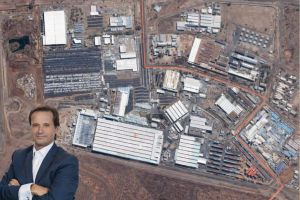
Nissan South Africa has agreed to sell its Rosslyn production facility after 60 years of operation. The plant, which produced models such as the 1400 ‘Champ’ bakkie, NP200 and Navara, was acquired by Chery SA. The Chinese automaker has sold over 80,000 vehicles locally since 2021 and is now strengthening its African presence.

Following an intense national selection process that pushed participants to the limit, South Africa’s representatives for the 2026 Defender Trophy global final have been decided.