The African Association of Automotive Manufacturers (AAAM) has welcomed the Kenya Association of Manufacturers (KAM) into their fold.
Share with friends
KAM has indicated that they have entered into the partnership to optimise sustainable development and stimulate the growth of the automotive industry in Kenya.
Some of the objectives of the partnership are:
To promote competitive and sustainable local manufacturing
To create wealth at both corporate and individual levels by advocating for a competitive environment for businesses to operate in, by creating better industries, growing the economy and creating jobs resulting in better standards of living for Kenyans.
Scaling up production, increasing trade and driving the global competitiveness of Kenya’ automotive industry.
Increasing its market share locally and regionally.
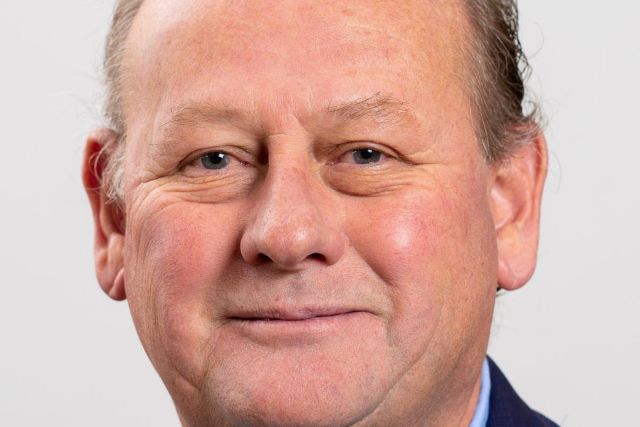
Dave Coffey, CEO of the AAAM.
In a statement announcing the development, AAAM said it is “looking forward to KAM's contribution to its mission of growing the automotive industry and promoting allied industrialization on the African continent”.
The memorandum of understanding was signed during AAAM’s visit to Kenya to enable participants to understand Kenya’s automotive industry and provide linkages with investors.
Stellantis Middle East and Africa announced the appointment of Sizwekazi Jekwa Mdingi as the Head of Communication and Corporate Social Responsibility (CSR) for Stellantis in South Africa.
Kia has taken a bold step into one of South Africa’s most competitive automotive segments with the launch of the Tasman, its first-ever double cab bakkie.
Stellantis Middle East and Africa announced the appointment of Sizwekazi Jekwa Mdingi as the Head of Communication and Corporate Social Responsibility (CSR) for Stellantis in South Africa.
Volkswagen Group Africa (VWGA) has reached another major milestone with the production of the 500 000th unit of the current Polo for the export market.