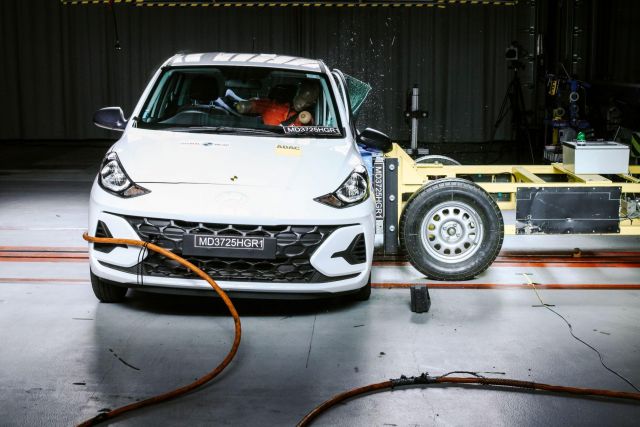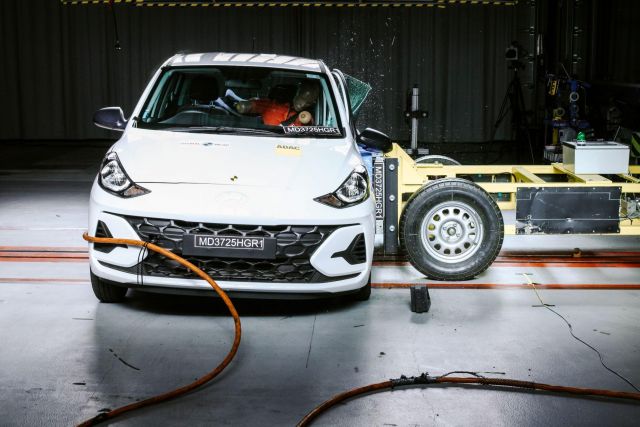
The popular Grand i10, ranked sixth in the overall passenger car sales charts in 2025, come under the scrutiny after safety shortcomings were revealed during a crash test.
The Automobile Association of South Africa’s (AA) highlighted the zero-star adult occupant safety rating awarded to the Grand i10 under the Global New Car Assessment Programme (NCAP) #SaferCarsForAfrica programme.
In a follow-up statement the AA says it has received numerous queries from both concerned i10 owners and the motoring public at large.
Concerns include the AA not explicitly discouraging the purchase of specific vehicles locally which exhibit poor NCAP ratings; along with queries asking what current owners of poor safety-rated vehicles should do as a next step.
As to the question why it does not ban or endorse vehicles, the AA states its role as to inform, not prescribe. The AA does not have regulatory authority to prohibit the sale of vehicles that do not meet current legal or safety requirements.
“What the AA does, and will continue to do, is expose safety shortcomings through publishing and commenting on independent test results. We will empower consumers to make informed purchasing decisions based on objective evidence rather than marketing claims, effectively steering the consumer to safer vehicles through our fact-based findings,” the organisation says.
Since the NCAP programme’s inception almost a decade ago, this transparency has indeed driven tangible change locally. Several manufacturers in South Africa have since withdrawn numerous models with unsafe safety ratings or have upgraded safety specifications in response to these poor rating findings.
The AA says the question was asked what to do now on which it advices owners to, if possible, consider transitioning to a safer make and/or model. The AA acknowledges that personal circumstances may make this a difficult transition.
“It is also important to note that these crash test results do not mean a vehicle is deemed illegal to drive, but rather, these NCAP tests transparently indicate how well it is likely to protect occupants in the event of a collision,” according to the AA.
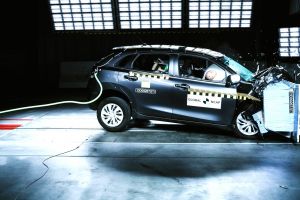
The AA further acknowledges public concern around why more vehicles are not tested. Each crash test involves significant cost and logistical complexity, including independently purchasing vehicles locally and shipping them to Europe for comprehensive testing. As a result, the programme prioritises high-volume and high-risk models, which means not every vehicle on sale locally can be immediately assessed.
The #SaferCarsForAfrica programme, launched in 2017 by Global NCAP in partnership with the AA and the FIA Foundation, exists to independently assess the safety performance of popular, entry-level vehicles sold in African markets against internationally recognised Global NCAP standards.
The statement concludes with the AA stating that as part of its long-term strategy, it is actively working towards establishing an Africa NCAP programme, a continental vehicle safety assessment programme to be run by the AA locally.