
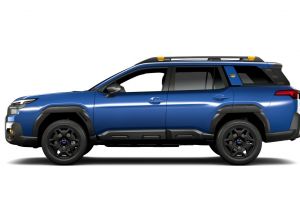
Subaru’s all-new Outback is getting ready for its local launch
Subaru’s all-new seventh-generation Outback has already begun building strong international momentum ahead of its arrival in the local market later this year.
- Product News
- 22 April 2026
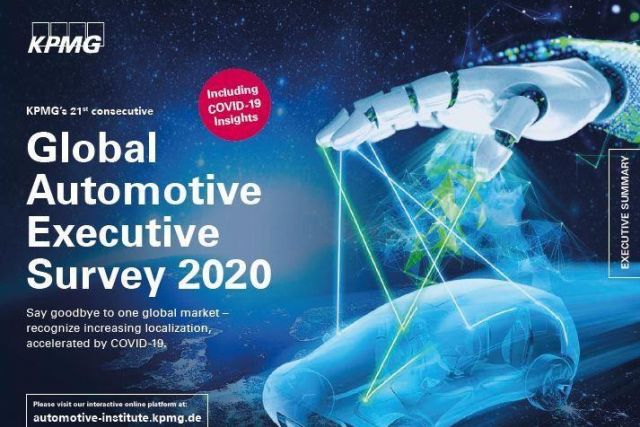
Two key pieces of good news emerged for car sellers from KPMG’s 21st Global Automotive Executive Survey.
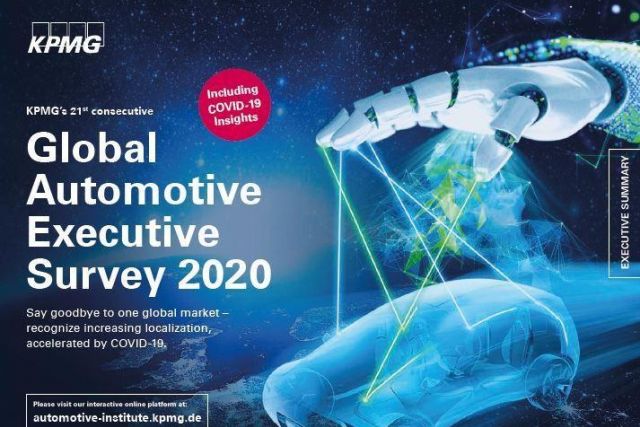
Published on 7 August 2020, the annual survey this year posed its questions on the future of the vehicle industry to 1,154 automotive executives and over 2,000 consumers from 30 countries, including South Africa.
Among the eight key takeaways on the impact of COVID-19 is the KPMG’s Automotive Institute’s belief that people will move away from public transport and that they are willing to spend more money on their own cars to feel safe.
China, where COVID-19 started, has already reported that “panic-like fear of disease and fever” has led to an increasing demand for vehicles on both high-end and entry levels.
China is of course a very different market to almost anywhere else on the planet, but the report posits that increasing credit volumes could result in growth in demand, which may help explain why South Africa’s dealers have been reporting healthy sales in the third month of lockdown.
The second piece of good news — both for service departments and downstream parts suppliers - is KPMG’s observation that the roll-out of electric vehicles rely on government subsidies. Where government does not subsidise “EVs”, electric vehicles will only be able to survive in certain application areas, such as cities.
South Africa’s government not only does not subsidise electric vehicles, but adds extra taxes on them, which points to local service departments still servicing internal combustion engines for decades to come.
The eighth take-away concludes that in these uncertain times, the only way forward for companies in the auto trade is to “redefine competition towards industry-wide competition” — KPMG’s description of competing and working together at the same time. “This means to collectively ensure supply chain stability, alongside a global readjustment to a reduced demand structure, channelled through digital demand management and service factories.”
Subaru’s all-new seventh-generation Outback has already begun building strong international momentum ahead of its arrival in the local market later this year.
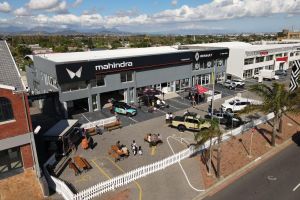
Motus Retail has officially opened its first dedicated Mahindra dealership in the Western Cape, located in Tygervalley. Martin Smit will lead the team as Dealer Principal.
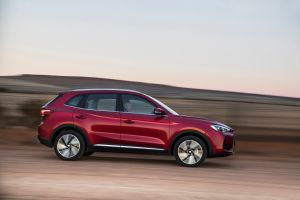
MG Motor South Africa has added two new models to its local range with the introduction of the MG3 hatchback and MG ZS Pro compact SUV or crossover.
 Advertisement
 Advertisement
Have you ever noticed that anybody driving slower than you is an idiot, and anyone going faster than you is a maniac?
George Carlin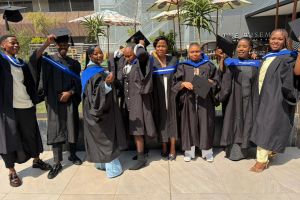
We Buy Cars has continued its involvement in youth skills development, with a recent group of learners completing sponsored programmes in partnership with SA Business School.
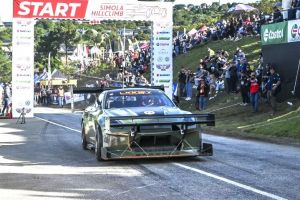
One of South Africa’s most popular motorsport events is just days away, with the Simola Hillclimb once again set to draw fans, competitors and manufacturers to the Garden Route.
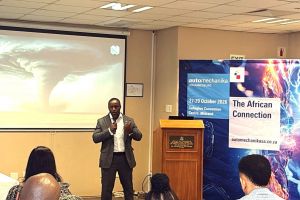
Durban played host to a gathering that placed KwaZulu-Natal (KZN) firmly in the spotlight of South Africa’s automotive story.