
Funky wheels: China’s big drive in South Africa
No, the Chinese are not coming to take over – they are already busy accomplishing it.
- Industry News
- 4 May 2026
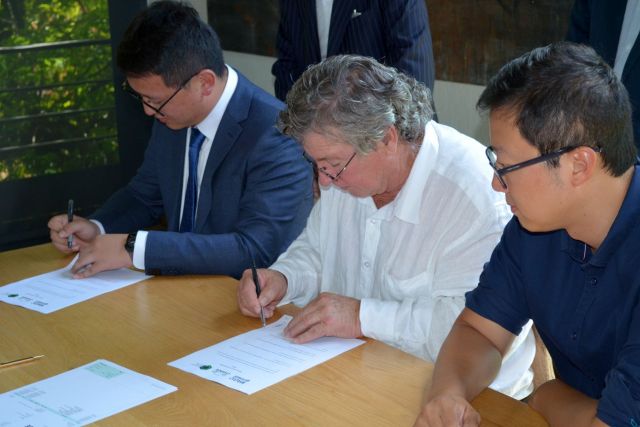
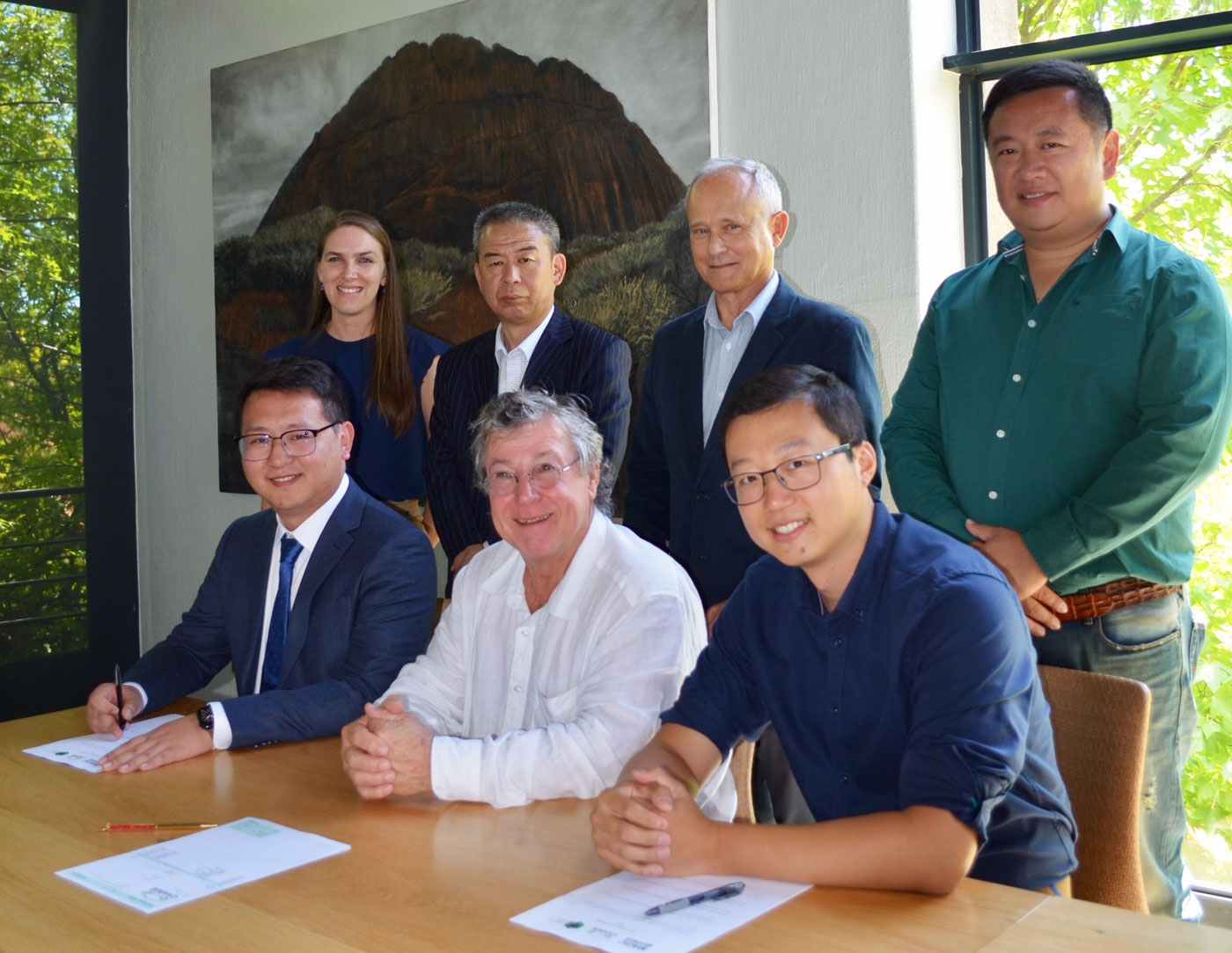
Zero Carbon Charge has signed a memorandum of understanding (MOU) with Chinese energy storage systems manufacturer, Shanghai Magic Power Tech Co, Ltd, also known as Magic Power, and its local partner Greencore Energy Solutions (PTY) Ltd, to build and import the first-of-its kind integrated supercharging systems for its 120 renewable charging stations currently being rolled out across South Africa.
This technology means that customers at Zero Carbon Charge’s off-grid, solar-powered charging stations will be able to charge any electric vehicle at its maximum charging rate.
The MOU follows Zero Carbon Charge’s trip to China at the end of last year in order to source the most cutting-edge, custom-integrated solutions for the establishment of its completely off-grid national charging network. This trip was the culmination of a long development process with their partners. Once completed, this network will be a first for South Africa as well as the rest of the world.
The 480kW liquid-cooled supercharger systems to be supplied by Magic Power and Greencore Energy Solutions will seamlessly integrate with the solar PV generation and battery storage located at each of the 120 charging stations.
“The first batch of super chargers is expected to arrive in South Africa before July, which means that – pending regulatory approvals – we are on track to have our full network of 120 solar-powered charging facilities operational by September 2025,” said Zero Carbon Charge’s Co-founder and Director, Joubert Roux.
Government’s own draft Integrated Resource Plan 2023 has shown that South Africa’s national, predominantly coal-fired grid will not be able to cope with the demands imposed on it by the mass charging of EVs. To stabilise the grid and end load-shedding quicker, it is critical that prioritisation is given to the roll-out of off-grid powered EVs.
In addition, if South Africa is to reach its global emissions targets, it is essential that renewable energy (and not electricity sourced from coal) is used to power EVs: an EV charged with Eskom’s coal-fired electricity emits 5.3 metric tonnes of carbon emissions in a year whereas a petrol vehicle, on average, emits 4.4 metric tonnes of carbon emissions in a year if driven over the same distance.
“Zero Carbon Charge looks forward to working with its commercial partners and government stakeholders to provide catalytic solutions for the adoption of EVs. We are proud to help position South Africa as a global frontrunner in the move towards cleaner EV energy sources,” added Andries Malherbe, Co-Founder and Director of Zero Carbon Charge.
No, the Chinese are not coming to take over – they are already busy accomplishing it.
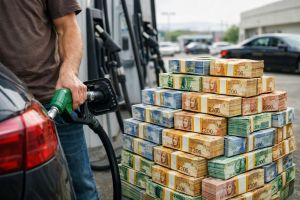
Motorists and households already under pressure will have to dig deeper into their pockets yet again from Wednesday, with sharp fuel and energy price hikes taking effect across South Africa.

Marcia Mayaba, Commercial Director at Dunlop Tyres South Africa, has been recognised as the top achiever at the recently held Woman of Stature Awards South Africa.
 Advertisement
Advertisement
Advertisement
Have you ever noticed that anybody driving slower than you is an idiot, and anyone going faster than you is a maniac?
George Carlin
Zero Carbon Charge (CHARGE) welcomes the government’s extension of short term fuel levy relief measures aimed at cushioning consumers from rising fuel prices, but cautions that these interventions do not address the underlying structural challenge facing South Africa’s transport economy.
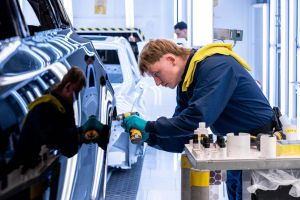
Volvo Cars has started building the fully electric EX60 at its Torslanda factory outside Gothenburg, with first customer deliveries due in early summer.
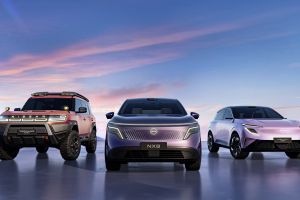
At Auto China 2026, Nissan unveiled two new NEV SUV concept cars, in its accelerated product rollout. It also highlights China’s role as one of the company’s lead markets and a global innovation and export hub, according to Nissan.