
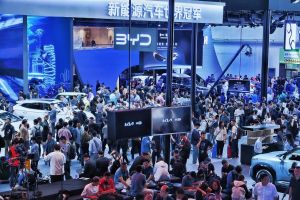
Auto China 2026 promises to be milestone event
Auto China 2026 marks another milestone in the evolution of an event that has tracked China’s rise from emerging market to global automotive powerhouse.
- Industry News
- 16 April 2026
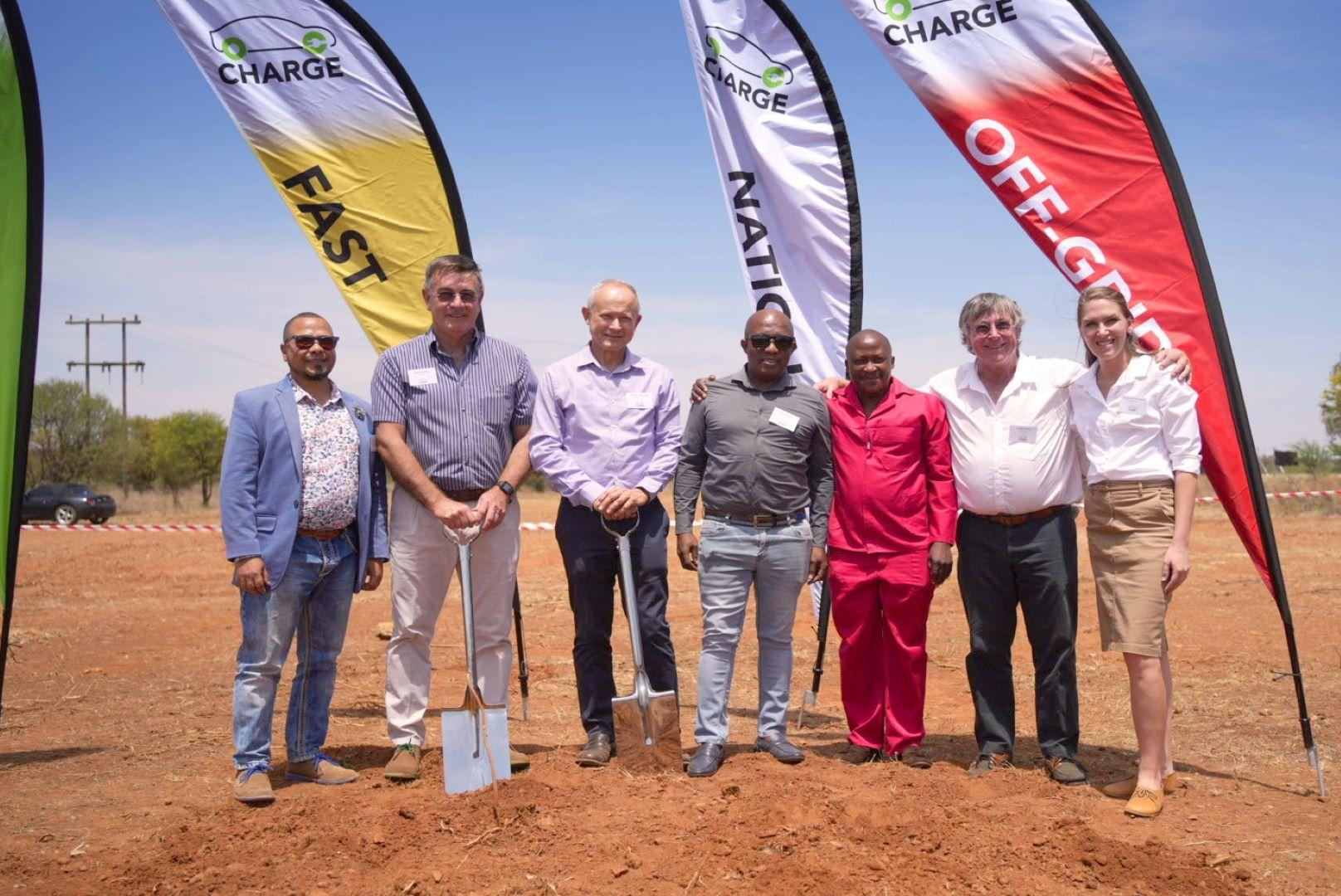
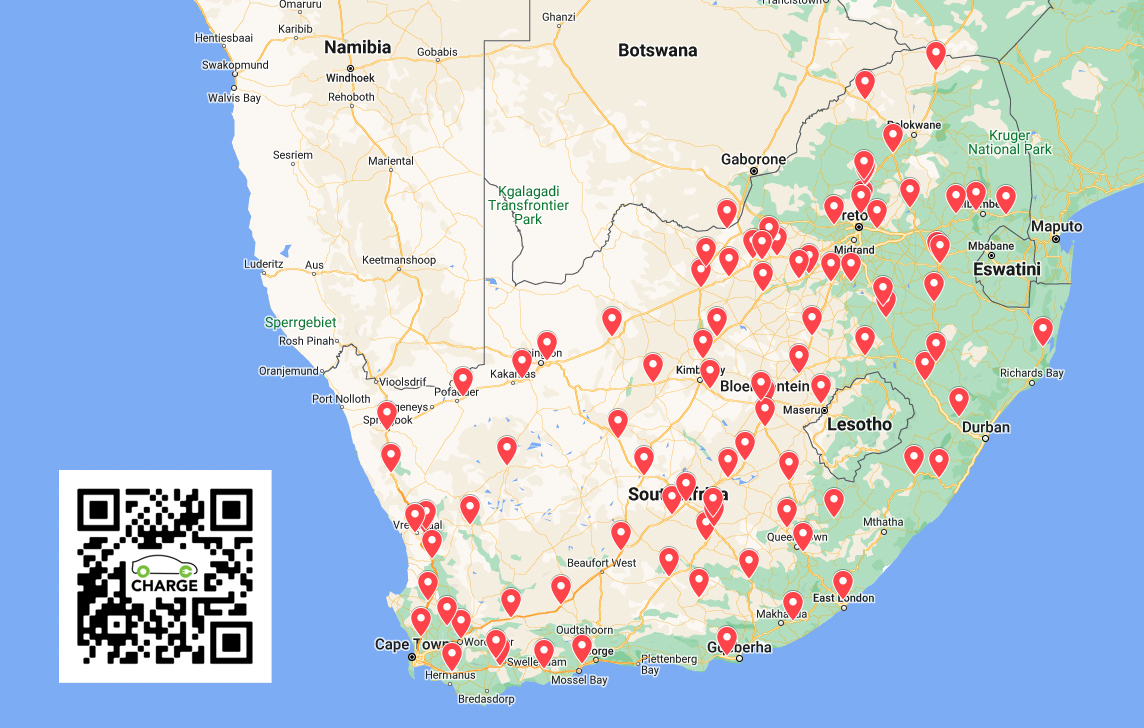
At a ceremony in Wolmaransstad in North West province, Zero Carbon Charge broke ground on its first 100% renewable energy charging station in what will become South Africa’s first national network of 120 solar-powered charging facilities spaced at 150 km intervals.
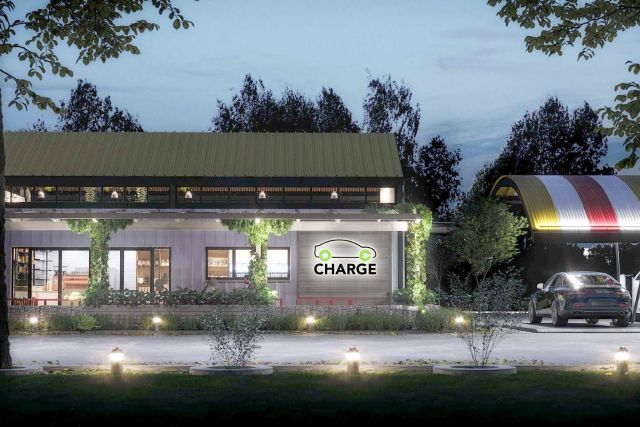
Unlike other charging stations that connect to Eskom’s grid (and thus use coal as their primary energy source), Zero Carbon Charge’s charging stations are powered by South Africa’s abundant and renewable supply of sunshine.
“We are thrilled to begin construction of the first 100% renewable energy charging facility in Wolmaransstad today. It is great news for the environment, and it is great news for motorists who will not have to worry about load-shedding preventing them from charging their vehicles,” says Joubert Roux (Co-director and Founder of Zero Carbon Charge).
Each Zero Carbon Charge charging station generates electricity on site using solar PV and stores energy in lithium iron phosphate batteries, with generators fuelled by hydrotreated vegetable oil as a back-up power source. Hydrotreated vegetable oil is used as it offers a reduction of carbon emissions of up to 90% compared to diesel.
According to Zero Carbon Charge’s other Co-founder and Director, Andries Malherbe, South Africa needs to prepare for the global transition to EVs: “Zero Carbon Charge is forging ahead in preparation for the EV revolution that is coming to these shores. Within five years, we expect electric vehicles to account for 25% of all new car sales in South Africa. Our network of 100% renewable charging stations will offer consumers a clean and fast way of charging their vehicles,” he says.
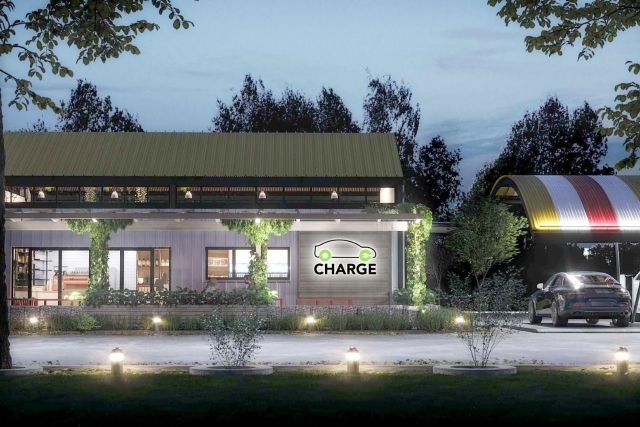
Using 720 DC ultra-fast charge points for EVs, plus 240 AC charge points for plug-in hybrids, each Zero Carbon Charge charging station can charge an EV in about 20 minutes. By contrast, it will take a standard ‘on-grid’ AC charging station around four hours to fully charge an EV.
It is envisaged that, pending various planning and land-use approvals, Zero Carbon Charge will have its full network of solar-powered charging facilities operational by September 2025.
Presiding over the ceremony, the Mayor of Maquassi Hills Local Municipality, Mzwandile Feliti, says: “We are excited that our municipality is leading the way with the green transport transition, with the first approval for a facility like this in the country.”
Jan Holiday, the owner of the land upon which the site is being built, adds: “This is a great opportunity for rural landowners to become part of the energy value chain for EVs, to benefit from surplus energy generated and derive an additional income stream.”
Each Zero Carbon Charge station will include a farmstall so that motorists charging their vehicles can enjoy a quick snack and a cup of coffee in the 20 minutes it will take for their car to be fully charged.
Zero Carbon Charge’s total investment, worth R1.8 bn, will boost South Africa’s rural economies by providing local jobs and an additional revenue stream for farmers. Landowners will earn 5% of the revenue generated from vehicle-charging on their land, whilst a percentage of revenue will also be reinvested in local socio-economic development initiatives.
The Zero Carbon Charge facility at Wolmaransstad is due for completion in June 2024.
Auto China 2026 marks another milestone in the evolution of an event that has tracked China’s rise from emerging market to global automotive powerhouse.
Isuzu Motors South Africa (IMSAf) has announced the appointment of Takashi Nishida as its new Chairman (Non-Executive Director), effective 1 April 2026.
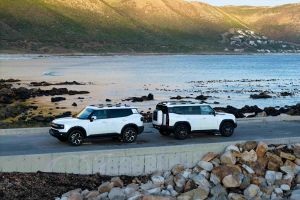
Jetour has quickly established itself in South Africa since its arrival in 2024, with the Dashing and X70 Plus paving the way for the rugged T-Series.
 Advertisement
Advertisement
Advertisement
Have you ever noticed that anybody driving slower than you is an idiot, and anyone going faster than you is a maniac?
George Carlin
Geely Auto has lifted the curtain on a new hybrid technology that it believes can redraw the balance of power in a segment dominated for decades by Japanese brands.
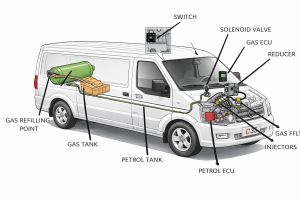
As fuel prices continue to place pressure on South African consumers and businesses, DFSK South Africa has introduced an LPG Autogas conversion solution aimed at reducing operating costs and improving vehicle efficiency across its petrol range.

Toyota Motor Corporation and Isuzu Motors are stepping up plans to bring hydrogen power into Japan’s light‑duty truck market, confirming a jointly developed fuel cell model scheduled for production in the 2027 financial year.