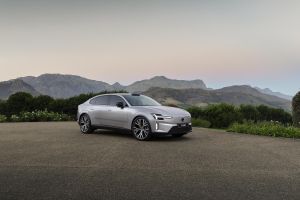
Volvo says load-shedding woes could be a thing of the past for South Africans in future – if they drive a Volvo.
Share with friends
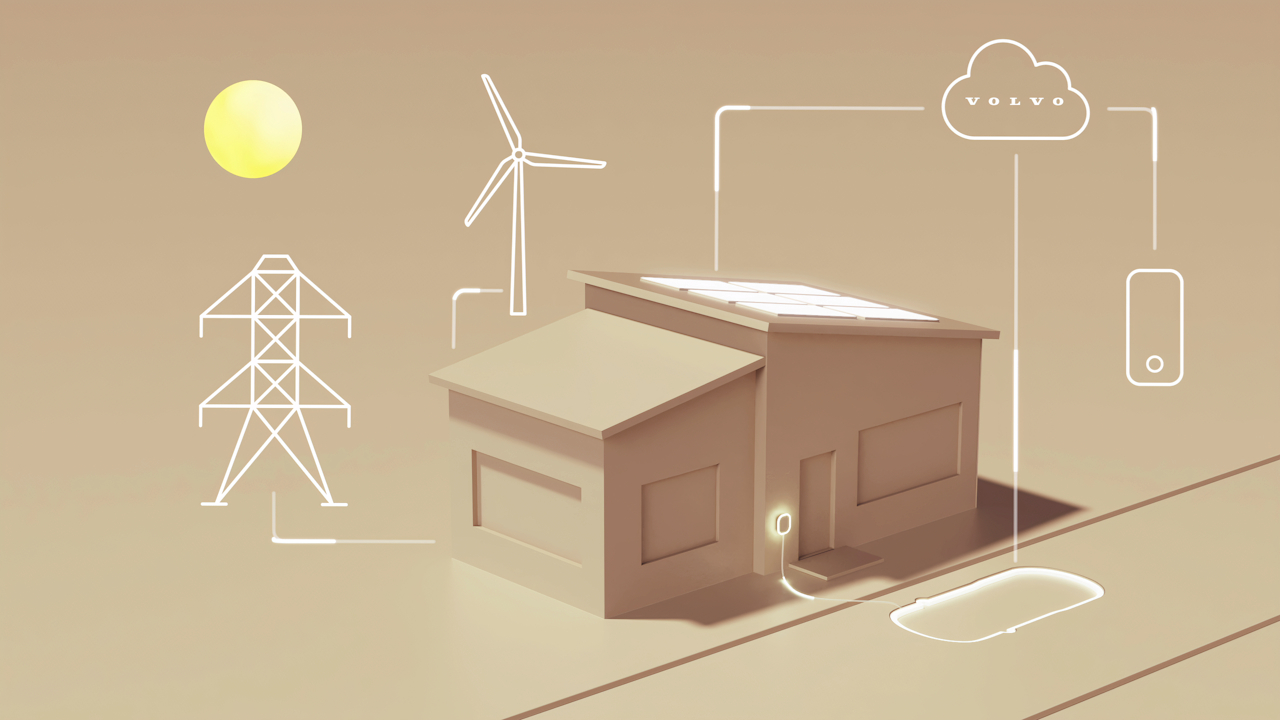
The company says that certain Volvo models will now feature bi-directional charging – meaning they can be used to power a home, as well as electric devices. The first such Volvo – the fully electric EX90 – will be revealed on November 9.
According to Greg Maruszewski, Managing Director of Volvo Cars South Africa, bi-directional charging is especially significant to South Africans tired of load shedding.
“This South African challenge means that our customers will be especially receptive to a feature such as this,” he says.
Volvo says in the near future your fully electric Volvo will be able to assist you during load shedding.
With bi-directional charging, electric cars can have the potential to contribute to an easing of this strain while plugged in – and, together with many other electric cars, they can form a virtual powerplant.
“Paired with smart-charging capabilities coming to the Volvo Cars smartphone app, the Volvo EX90 will allow motorists to charge their cars when demand from the grid is low and save that stored energy to be used later. ‘Later’ could obviously mean when load shedding kicks in,” explains Maruszewski.
Practically, during load shedding, the Volvo EX90 could power many appliances in a home – from power tools to a music system.
Initially becoming available in selected markets, bi-directional charging has the potential to make energy utilisation cheaper, more efficient and sustainable.
From one Volvo to another. Helping a fellow EV owner who runs out of power.
“With the Volvo EX90 you can power your life,” says Head of Electrification Ecosystem, Olivier Loedel. “You could use its battery in many ways, from topping up your electric bike when you’re out and about, to hooking up an outdoor cooking appliance for your weekend camping trip. It could even power your house during the expensive peak hours of the day.”
Along with being able to charge appliances and other devices, your car will ultimately have the capability to lend a helping hand and give some of its charge to other compatible Volvos.
Where available, the entire charging process will be automatic and managed entirely by the smart charging functionality in the Volvo Cars app. The underlying algorithm also makes sure that you charge and discharge the battery in a limited way, reducing the risk of avoidable battery degradation.
Depending on rules specific to each energy market, bi-directional charging could also allow customers to support the grid in different ways. This could include taking in more energy during times when there is a surplus of renewable energy, or selling energy back during peak usage hours when there is more demand.
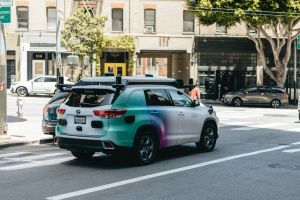
Many forward-thinking individuals propose that autonomous vehicles will improve road safety as problematic driver behaviour, which contributes to 90% plus crashes, will be eliminated. A recent incident may cause some to doubt this, however.
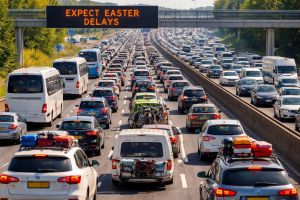
Motorists travelling over the Easter period can expect heavy traffic across South Africa’s road network, with authorities warning that routes to Limpopo will come under particular pressure as thousands of pilgrims make their way to Moria.
Zimi and Zero Carbon Holdings (CHARGE Holdings) are proud to announce a three-year agreement to support the rollout of electric freight operations along South Africa’s N3 corridor.
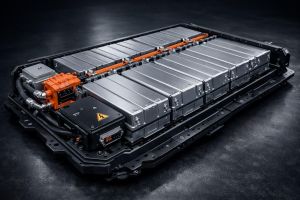
A new examination of electric vehicle (EV) battery data across Europe has provided compelling evidence that modern EV batteries last far longer than many motorists assume.