

Springboks score tries in Nissan Navara Pro4X
Two leading Springbok rugby players, Aphelele Fassi and Jordan Hendrikse, have taken delivery of their new Nissan Navara Pro4X bakkies in Durban.
- Industry News
- 12 May 2026
Just as everyone was getting mildly comfortable with all things electric-vehicle related, prepare for your minds to be bent in a completely different direction.

Reuters reports that electric aircraft maker Eve and Blade Air Mobility are expanding their partnership to integrate Eve's upcoming flying car into Blade's European route network, starting with France.
The deal follows similar agreements between the firms, which are currently participating in the Paris Airshow, to use Eve's electric vertical take-off and landing vehicles (eVTOLs) in India and the United States.
Eve is controlled by Brazilian plane maker, Embraer, and expects to start commercial operations of its vehicle in 2026.
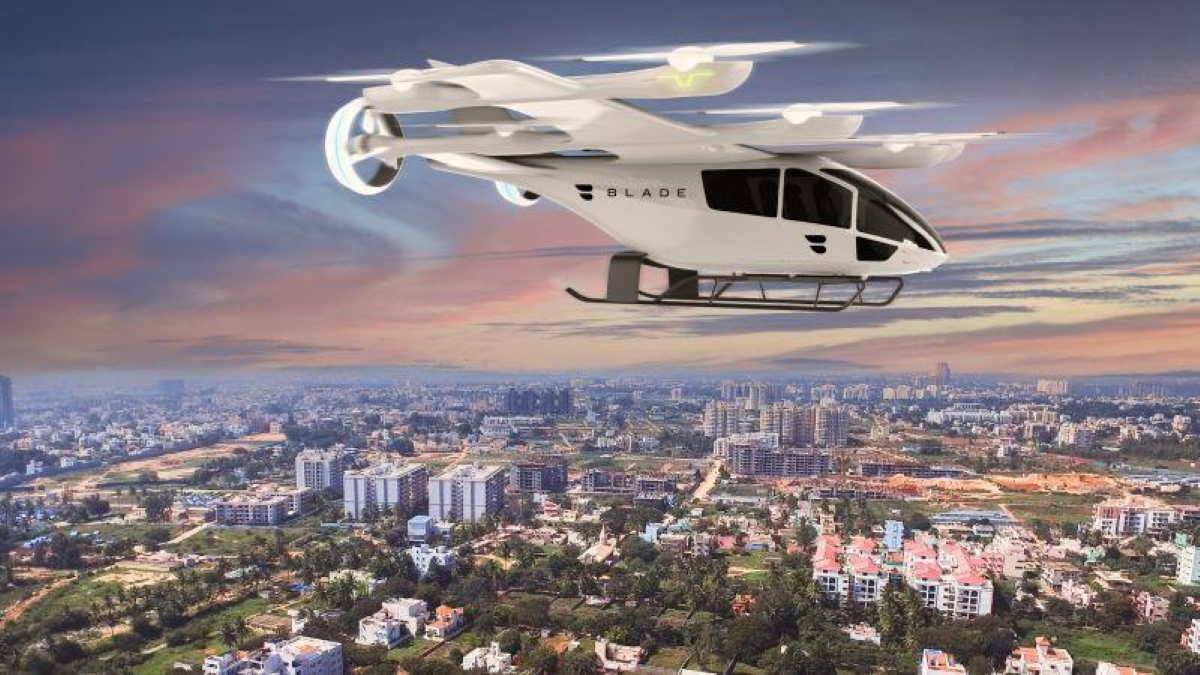
Eve and Blade said in a statement that under their new memorandum of understanding, Blade would focus on developing practical applications for air mobility, including identifying future routes in France and other European countries.
They did not say if the deal would involve new eVTOL purchases by Blade, whose current European operations include flying conventional helicopters between Nice and Monaco.
Eve and Blade last year agreed to deploy up to 200 electric aircraft in India, after also signing a letter of intent for operations in the US, where Eve expects to provide up to 60 vehicles a year.
"Extending our partnership with Eve underscores Blade's commitment to leading the transition from conventional to electric vertical aircraft," Blade Chief Executive Officer, Rob Wiesenthal, says.
Eve holds a backlog of nearly 2 800 orders before starting production, with development backed by investors such as United Airlines and Rolls-Royce.
The firm recently announced the first equipment suppliers for its eVTOLs and expects to start building its first full-scale prototype in the second half. Additional testing is planned for 2024.
Eve CEO, André Stein, said he expected the extended partnership with Blade to allow the companies to combine expertise and resources to make travel more accessible and drive environmental improvements.

Two leading Springbok rugby players, Aphelele Fassi and Jordan Hendrikse, have taken delivery of their new Nissan Navara Pro4X bakkies in Durban.
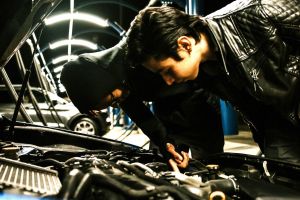
Dealership service departments know the pattern: the moment warranties and service plans expire; a portion of owners quietly migrate to the independent aftermarket.

Mercedes-Benz Vans South Africa announced its top-performing Agents and Dealers for 2025, recognising their exceptional dedication, customer service and commitment to the brand.
 Advertisement
 Advertisement
I have bad reflexes. I was once run over by a car being pushed by two guys
Woody Allen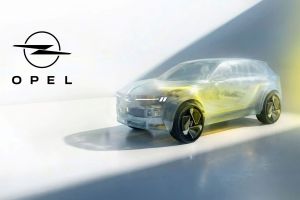
Opel has unveiled a key project under development in its model strategy: a completely new, all-electric SUV in the important and highly competitive C-segment that would extend the current line-up.
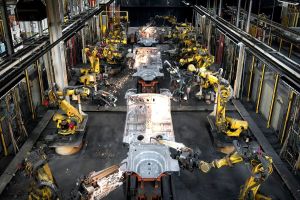
Nissan’s decision to drop a planned $500 million investment in electric vehicle (EV) production at its Canton, Mississippi plant is the latest indication that established manufacturers are reassessing how quickly the market will shift to battery power.

Zero Carbon Charge (CHARGE) welcomes the government’s extension of short term fuel levy relief measures aimed at cushioning consumers from rising fuel prices, but cautions that these interventions do not address the underlying structural challenge facing South Africa’s transport economy.