Well, it is definitely not a bird, plane OR Superman!
Just as everyone was getting mildly comfortable with all things electric-vehicle related, prepare for your minds to be bent in a completely different direction.
Share with friends
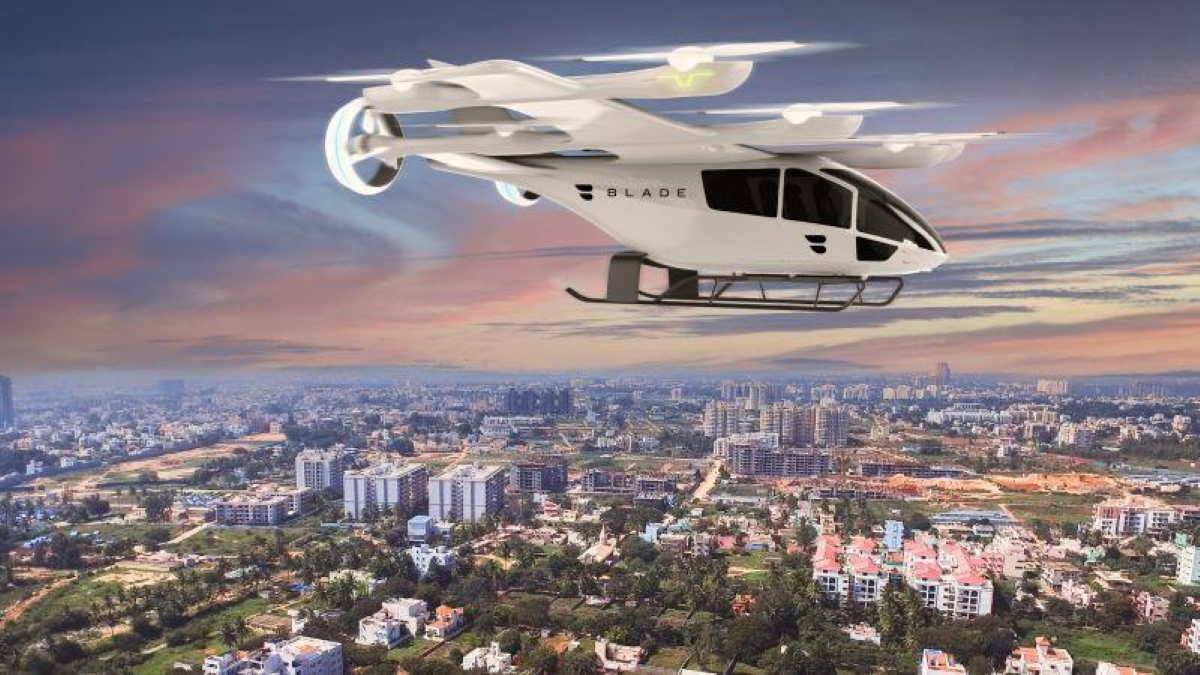
Reuters reports that electric aircraft maker Eve and Blade Air Mobility are expanding their partnership to integrate Eve's upcoming flying car into Blade's European route network, starting with France.
The deal follows similar agreements between the firms, which are currently participating in the Paris Airshow, to use Eve's electric vertical take-off and landing vehicles (eVTOLs) in India and the United States.
Eve is controlled by Brazilian plane maker, Embraer, and expects to start commercial operations of its vehicle in 2026.
Taking an EV air taxi…
Eve and Blade said in a statement that under their new memorandum of understanding, Blade would focus on developing practical applications for air mobility, including identifying future routes in France and other European countries.
They did not say if the deal would involve new eVTOL purchases by Blade, whose current European operations include flying conventional helicopters between Nice and Monaco.
Eve and Blade last year agreed to deploy up to 200 electric aircraft in India, after also signing a letter of intent for operations in the US, where Eve expects to provide up to 60 vehicles a year.
"Extending our partnership with Eve underscores Blade's commitment to leading the transition from conventional to electric vertical aircraft," Blade Chief Executive Officer, Rob Wiesenthal, says.
Eve holds a backlog of nearly 2 800 orders before starting production, with development backed by investors such as United Airlines and Rolls-Royce.
The firm recently announced the first equipment suppliers for its eVTOLs and expects to start building its first full-scale prototype in the second half. Additional testing is planned for 2024.
Eve CEO, André Stein, said he expected the extended partnership with Blade to allow the companies to combine expertise and resources to make travel more accessible and drive environmental improvements.
South Africa’s motorists and automotive sector are facing a fresh layer of uncertainty as the Middle East conflict continues to disrupt global oil markets, but for now the country’s fuel supply remains stable even as costs rise.
Stellantis has struck a five year strategic partnership with Microsoft as it accelerates its shift towards software defined vehicles and digital services.
Auto China 2026 marks another milestone in the evolution of an event that has tracked China’s rise from emerging market to global automotive powerhouse.
Geely Auto has lifted the curtain on a new hybrid technology that it believes can redraw the balance of power in a segment dominated for decades by Japanese brands.
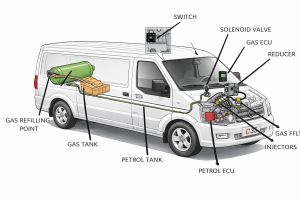
As fuel prices continue to place pressure on South African consumers and businesses, DFSK South Africa has introduced an LPG Autogas conversion solution aimed at reducing operating costs and improving vehicle efficiency across its petrol range.
Toyota Motor Corporation and Isuzu Motors are stepping up plans to bring hydrogen power into Japan’s light‑duty truck market, confirming a jointly developed fuel cell model scheduled for production in the 2027 financial year.