
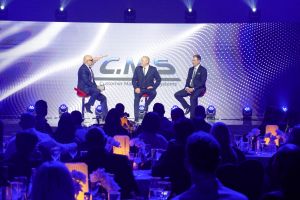
CMS Systems marks 25 years in automotive retail technology
CMS Systems is celebrating 25 years in business, marking a significant milestone for a company that has become a central player in automotive retail technology.
- Industry News
- 24 April 2026
Volkswagen Group Africa (VWGA) has completed the second phase of its solar photovoltaic (PV) carport project in the employee car park and service centre at the Kariega manufacturing plant, further demonstrating its focus on renewable energy and sustainable manufacturing.
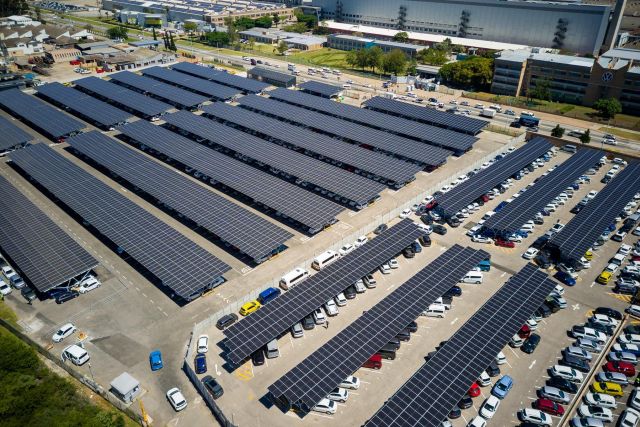
The multi-phase solar project located at the VWGA employee car park began in 2022, as part of VWGA’s long-term plan to transition its operations toward renewable energy sources.
The first phase of 3.1MWp, completed in 2024 and comprising 5 712 panels, laid the foundation for the current expansion and demonstrated Plant Kariega’s potential to effectively integrate solar energy into its production network.
The second phase has added 2.1MWp to the existing renewable infrastructure at the plant. The newly installed 3 582 solar panels (each 585W) are projected to generate approximately 2 699MWh of clean energy.
The R35 million capital investment in phase two, adding up to a total investment of R90 million, underscores VWGA’s ongoing efforts to align its operations with its goal of carbon neutral production.
With both phases now complete, the total solar power capacity of the project stands at 5.2MWp, capable of producing 7 125MWh annually.
“The completion of the second phase of our solar project marks another major milestone in our journey towards fully sustainable manufacturing,” says Ulrich Schwabe, Production Director at Volkswagen Group Africa. “This shows our commitment to using cleaner energy and making our operations even more environmentally responsible,” Ulrich adds.
CMS Systems is celebrating 25 years in business, marking a significant milestone for a company that has become a central player in automotive retail technology.
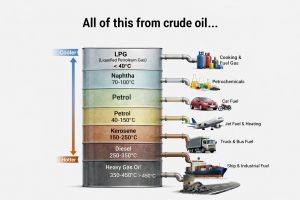
Oil prices jumped on Wednesday after Iran's seizure of container ships in the strait.
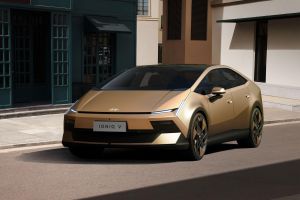
Hyundai Motor is preparing an aggressive comeback in China, unveiling plans to launch 20 new vehicles over the next five years as it tries to rebuild its position in the world’s largest car market.
 Advertisement
 Advertisement
You can't buy happiness but you can buy cars and that's kind of the same thing.
Unknown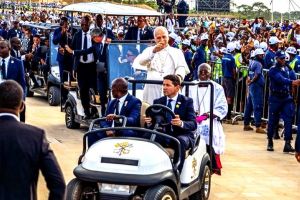
Supporting the Pope on Africa soil in or on vehicles assembled on the continent, is the story of OPAIA Motors.
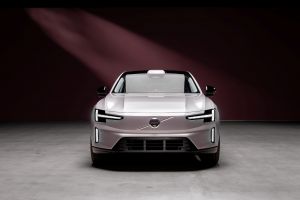
Europe’s shift to electric vehicles (EVs) gathered fresh momentum at the start of 2026, as soaring petrol prices prompted drivers to rethink the cost and security of running petrol and diesel vehicles.
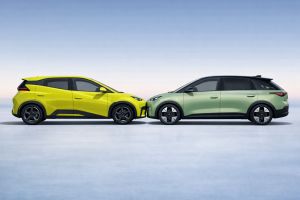
Two years ago, the cheapest mainstream electrical vehicles (EVs) in South Africa were mostly premium products priced well above R700 000.