Reuters has reported that Volkswagen plans to build its new generation of Trinity electric vehicles (EVs) at its factory in Zwickau, Germany, scrapping plans for an all-new factory that were pushed under the group’s former CEO.
Share with friends
The Trinity electric car, which is to be based on Volkswagen’s new scalable systems platform (SSP), was supposed to be launched in 2026 as part of plans by former CEO Herbert Diess.
However, shortly after taking office, his successor Oliver Blume pushed the project back by two years in order to relieve pressure on the struggling software subsidiary, Cariad.
Volkswagen had initially planned to build a new factory for the model but owing to delays in developing the brand, the German carmaker was also considering converting its Wolfsburg factory.
"It was decided that there was no need to build an additional plant in Wolfsburg Warmenau," the German carmaker said after a supervisory board meeting during which the location for the prestige EV was discussed.
The news is part of the production allocation plant for Volkswagen's namesake brand through 2028, the group said.
Instead, the Trinity project will go to Volkswagen's Zwickau plant, which is currently suffering from weak demand and is in the process of cutting its three-shift production schedule, which has been in place for more than three decades.
The carmaker added that its iconic Golf model would be "led into the electric future" at its main Wolfsburg plant, the carmaker's headquarters, which were hit by a major IT outage earlier this week.
"Within the context of our performance programme, this newly approved vehicle allocation plan will make a substantial contribution to a strong, competitive VW brand," Volkswagen brand CEO Thomas Schaefer said.
Toyota South Africa Motors (TSAM) is set to make history with a series of Guinness World Records attempts, bringing Hilux owners together from across the country in a bold, large-scale celebration of the all-new 9th generation Toyota Hilux.
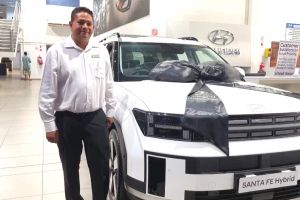
To be named the overall Hyundai Dealer of the Year is not something that simply happens. It is the result of hard work, dedication, looking after your staff and customers, and maintaining a clear focus on your goal. That goal is to be the best.
Chery is intensifying its European expansion by exploring partnerships that would allow the company to utilise existing automotive factories rather than constructing new ones.
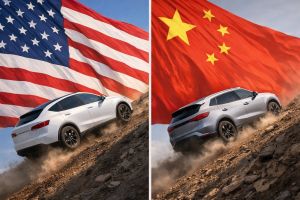
BYD and Tesla, two giants of the electric vehicle industry, are navigating diverging challenges. BYD faces mounting competition in China and questions over its pricing strategy, while Tesla grapples with fading incentives and unsold inventory in the United States.
Volvo has commenced on-road testing of heavy trucks powered by hydrogen combustion engines. This pioneering solution places Volvo at the forefront of the industry, with commercial launch planned before 2030.
While rising fuel prices often trigger spikes in interest around electric vehicles, Volvo Car South Africa believes the real reasons South Africans are starting to consider EVs go far beyond the petrol pump.