
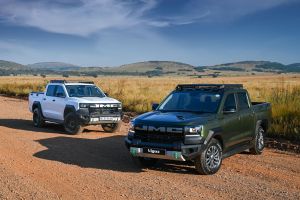
New JMC Vigus will make an impression
Following the official brand re-launch by the Salvador Caetano Group, JMC South Africa announce the arrival of the All-New JMC Vigus.
- Product News
- 17 April 2026
Volvo Cars has issued a major recall affecting more than 40 000 units of its EX30 electric SUV after discovering that certain high‑voltage battery modules pose an overheating risk.
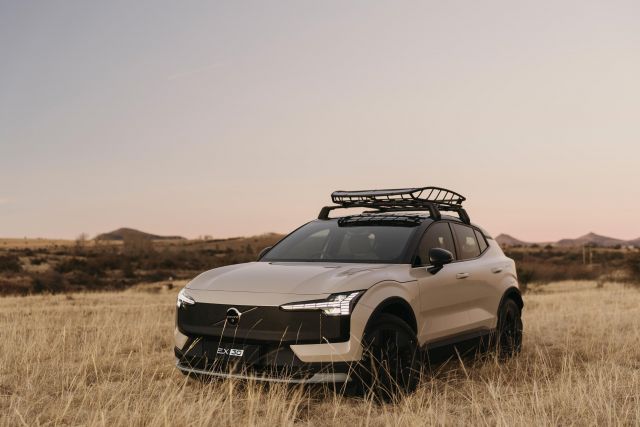
Volvo has sold around 550 EX30’s in South Africa. The sales figures do not provide a precise split between EX30 and EX30 Cross Country sold locally. The EX30 was introduced locally during 2024 and the EX30 Cross Country last year.
The recall covers 40 323 EX30 Single‑Motor Extended Range and Twin‑Motor Performance vehicles, marking a significant setback for the brand’s reputation for safety and reliability.
The Swedish manufacturer, owned predominantly by Geely, confirmed that all affected owners are being contacted and will receive replacement battery modules at no cost. The faulty batteries were supplied by Shandong Geely Sunwoda Power Battery Co., which Volvo says has now resolved the issue and is prepared to deliver updated components. Until repairs are completed, owners are instructed to keep charging levels capped at 70 percent to minimise the risk of thermal incidents.
The announcement had an immediate financial impact, with Volvo’s share price falling by four percent following the news. The recall comes at a pivotal moment for the company, which is currently pursuing a R30.46 billion (1.9 billion dollars) cost‑cutting plan aimed at improving efficiency and strengthening ties within the Geely group.
Battery‑related recalls are not unprecedented in the electric vehicle sector. General Motors, for instance, recalled 140 000 Chevy Bolt models in 2020 due to fire risks, a fix that cost approximately R32.06 billion (2 billion dollars). For Volvo, the estimated cost of new modules could reach R3.13 billion (195 million dollars), although the company says this figure remains uncertain and is subject to ongoing discussions with its supplier.
The EX30 is a cornerstone of Volvo’s electric ambitions, designed to help the brand compete in an increasingly crowded market dominated by competitively priced Chinese EVs. Industry analysts warn that Volvo cannot afford safety missteps, as its global identity is deeply rooted in trust and crash protection.
Customers in multiple countries have already reported dissatisfaction. Some EX30 owners expressed concerns about reduced driving range due to the charging limit, while others have hinted they would prefer Volvo to buy their vehicles back entirely.
As the company works to remedy the issue, maintaining public confidence will be essential. How Volvo handles this recall may influence not only the future of the EX30 but also the wider perception of the brand in the growing electric vehicle landscape.
Following the official brand re-launch by the Salvador Caetano Group, JMC South Africa announce the arrival of the All-New JMC Vigus.

Jetour South Africa hosted its inaugural Dealer of the Year Awards on Tuesday night, bringing together its national dealer network of nearly 60 dealerships.

South Africa’s motorists and automotive sector are facing a fresh layer of uncertainty as the Middle East conflict continues to disrupt global oil markets, but for now the country’s fuel supply remains stable even as costs rise.
 Advertisement
 Advertisement
Have you ever noticed that anybody driving slower than you is an idiot, and anyone going faster than you is a maniac?
George Carlin
Two years ago, the cheapest mainstream electrical vehicles (EVs) in South Africa were mostly premium products priced well above R700 000.
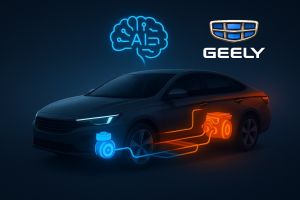
Geely Auto has lifted the curtain on a new hybrid technology that it believes can redraw the balance of power in a segment dominated for decades by Japanese brands.
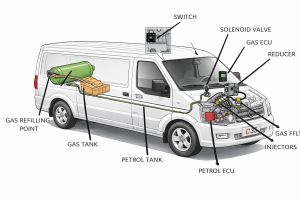
As fuel prices continue to place pressure on South African consumers and businesses, DFSK South Africa has introduced an LPG Autogas conversion solution aimed at reducing operating costs and improving vehicle efficiency across its petrol range.