Volvo celebrates Earth Day with the focus on EV mobility
22 April marks Earth Day 2025, a global movement dedicated to educating and empowering businesses and individuals to make more sustainable choices, particularly in renewable energy.
Share with friends
Celebrated annually since 1970, Earth Day 2025’s theme is “Our Power, Our Planet". One of the aims is to triple the global generation of clean electricity by 2030. Volvo, a leader in the South African electric vehicle market, has also set a goal for 2030 that aligns with Earth Day: to sell 90-100% electrified vehicles globally by the start of the new decade.
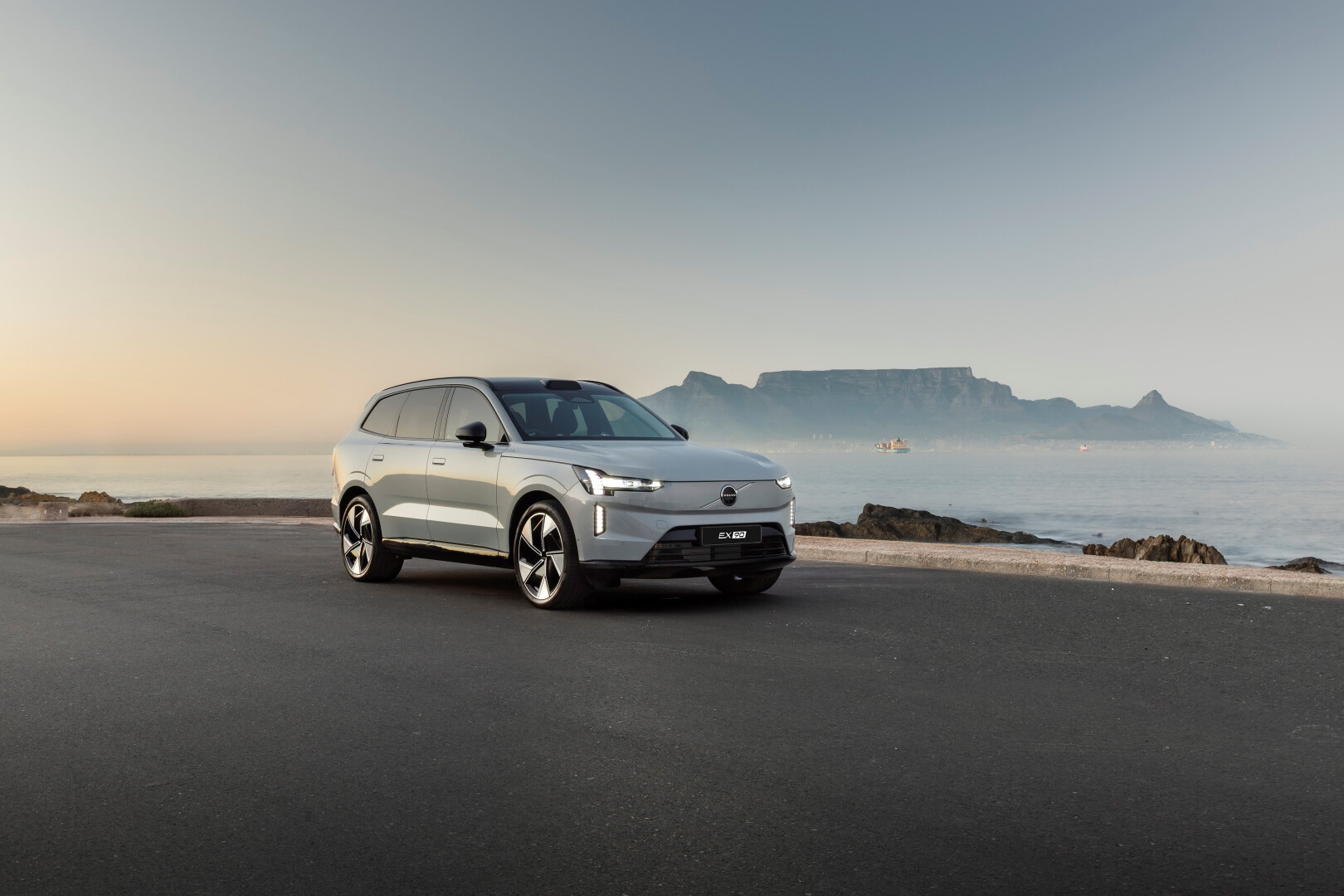
“Following the successful introduction of the C40 and XC40 Recharge, as well as the award-winning EX30, Volvo has expanded its fully electric line-up with the introduction of the EX90,” says Felipe Yagi, Head of Marketing & Communications at Volvo Car South Africa. “Later this year, we’re planning to introduce the ES90 luxury sedan and EX30 Cross Country, bringing electrification to an even wider range of customers.”
Electric vehicles are a natural fit with renewable energy, allowing stakeholders and businesses to contribute to creating a cleaner and greener environment for all. Zero Carbon Charge (CHARGE), for example, has embarked on an ambitious plan to roll out 120 off-the-grid charging stations across South Africa (at 150km intervals), allowing owners to charge their electric cars emissions-free1.
Of course, true sustainability extends beyond fully electric vehicles and plug-in hybrids. Volvo understands that the world’s natural resources are finite, which is why it has set a goal of becoming a circular business by 2040.
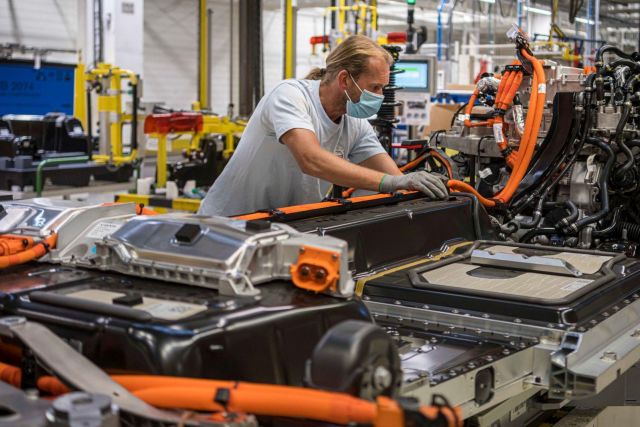
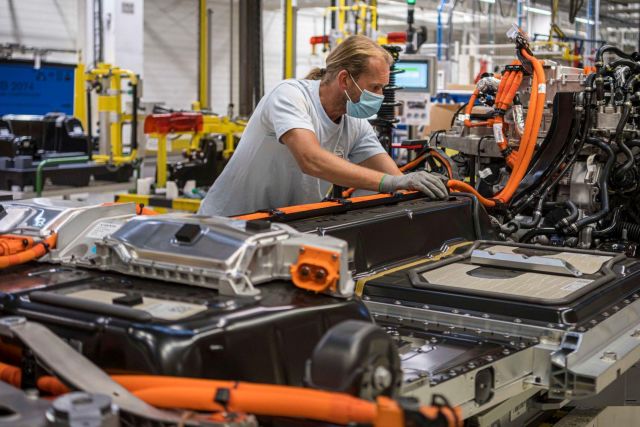
Volvo is committed to eliminating waste and pollution, which includes increasing the use of recycled materials and remanufacturing and reusing parts. The recently launched EX90, for instance, contains around 15% recycled steel, 25% recycled aluminium, and 48kg of recycled plastics and bio-based materials.
Producing new parts requires plenty of energy and raw materials. By remanufacturing parts, Volvo could cut raw material usage by 85% and energy use by 86%. The company currently remanufactures as many as 36 different component groups, from engines to gearboxes, and in 2022, it saved more than 4 800 tonnes of CO2 by remanufacturing over 33 000 parts2.
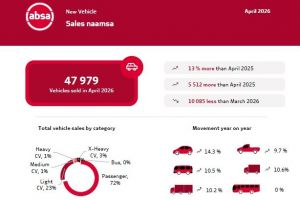
New vehicle sales in 2026 continued their positive trend in April, with the 47 979 units sold marking the best April figure since 2013. This represents a remarkable performance by local automotive retailers despite a host of economic headwinds and a challenging trading environment.
April 2026 marked a turning point in South Africa’s economic landscape, as global energy markets were jolted by escalating geopolitical tensions in the Middle East, according to naamsa | The Automotive Business Council.
Audi is preparing to roll out its biggest SUV yet in the United States (US) this summer, betting that demand for high-end, three-row models will hold up even as trade tensions threaten to raise import costs.
Nissan’s decision to drop a planned $500 million investment in electric vehicle (EV) production at its Canton, Mississippi plant is the latest indication that established manufacturers are reassessing how quickly the market will shift to battery power.
Zero Carbon Charge (CHARGE) welcomes the government’s extension of short term fuel levy relief measures aimed at cushioning consumers from rising fuel prices, but cautions that these interventions do not address the underlying structural challenge facing South Africa’s transport economy.
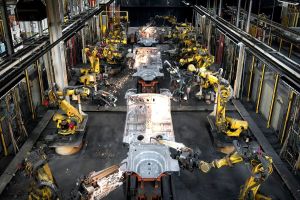
Volvo Cars has started building the fully electric EX60 at its Torslanda factory outside Gothenburg, with first customer deliveries due in early summer.