Electric vehicles are an important step towards a more sustainable society, but the cars and their batteries can do so much more than eliminate exhaust emissions.
Share with friends
For example, did you know that stationary electric cars have the potential to power your house, your appliances or even return power to the energy grid, according to Volvo.
To capitalise on that potential and help support the transition to a smarter, more sustainable and more efficient energy grid, the company is now launching Volvo Cars Energy Solutions. It is a completely new business unit that will offer energy storage and charging-related technologies and services that form the connective tissue between our cars, our customers’ lives, the efficient use of energy and society at large.
For example, bidirectional charging is a technology that allows an electric car to give back extra battery power to a compatible grid, helping to balance the grid during peak hours and reduce the need for fossil-fuel generated electricity.
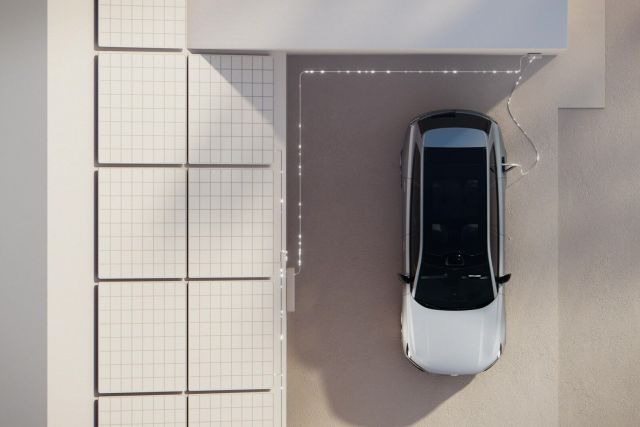
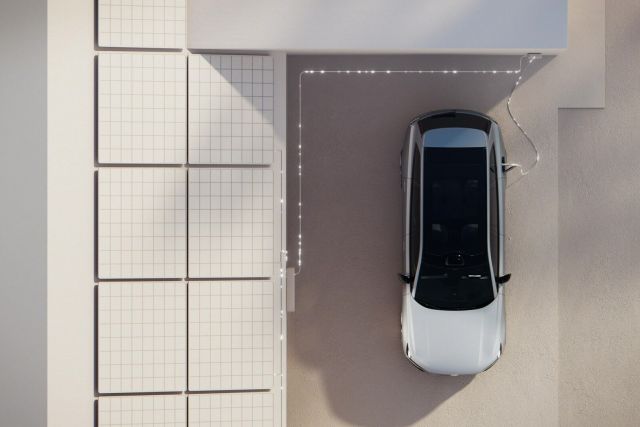
Supplying your home with energy form your vehicle.
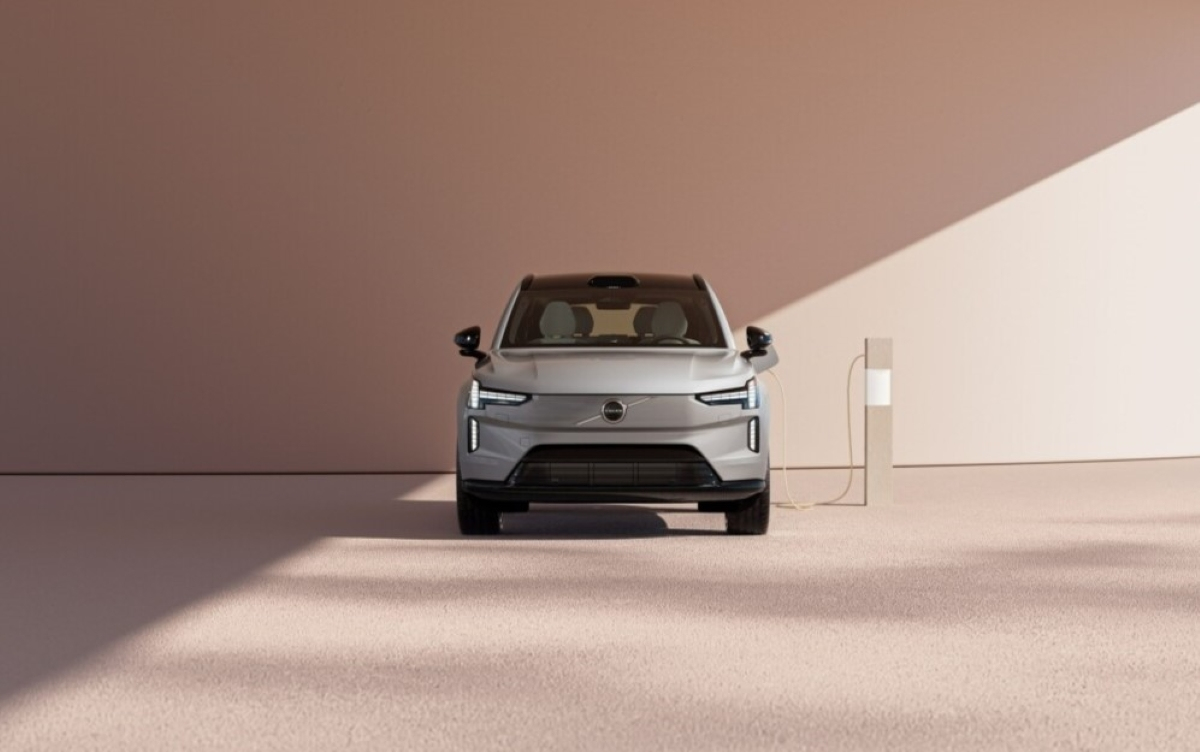
Volvo’s new flagship, the fully electric EX90 SUV, will be the first Volvo car equipped with all the necessary hardware and (over time) software to enable bidirectional charging and direct energy storage from solar.
Together with Göteborg Energi Nät AB, the local grid company in the Swedish hometown of Gothenburg, they are now launching one of the first vehicle-to-grid (V2G) pilot programmes that aims to test such V2G technologies on the local energy grid and in a home environment with real customers. The pilot deliberately uses a low-cost AC wall box because it will help to accelerate widespread adoption of the technology.
The pilot project not only aims to gain acceptance from a grid company and to demonstrate to other grid companies that V2G programmes can provide tangible benefits, but to create a testing arena for new technologies that are central to the future of Volvo Cars outside our labs.
“With bidirectional charging, you can use your car battery as an extra energy supply, for example to provide power to your home, other electric devices or to another electric Volvo car,” says Alexander Petrofski, the new head of Volvo Cars Energy Solutions.
“As we aim to be a fully electric car company by 2030, we’ll bring millions of electric Volvo cars on the roads in the coming years. Our engineers have calculated that the total battery capacity of that fleet will reach around 50 GWh by mid-decade. While these cars will use several TWh in electricity each year, this energy consumption is flexible and can be moved in time via smart charging.
“At the same time, data from our Volvo fleet shows that the average daily drive in Europe uses less than 10 kWh, while 90 per cent of all daily drives use less than 20 kWh. This means there is ample spare battery capacity left that can be used for other purposes, with the possibility of both financial benefits for our customers and significant climate benefits,” he says.
The Kia Carens nameplate makes its return to South Africa, this time as a seven‑seater designed with families in mind. It combines Sport Utility Vehicle (SUV) styling with Multi-Purpose Vehicle (MPV) practicality, offering space, comfort and efficiency, Kia says.
Volvo has confirmed that its vehicles will now integrate Google’s Gemini artificial intelligence system. This development builds on the company’s existing collaboration with Google, which already provides Android Automotive OS and Google services in Volvo models.
New vehicle sales in 2026 continued their positive trend in April, with the 47 979 units sold marking the best April figure since 2013. This represents a remarkable performance by local automotive retailers despite a host of economic headwinds and a challenging trading environment.
Nissan’s decision to drop a planned $500 million investment in electric vehicle (EV) production at its Canton, Mississippi plant is the latest indication that established manufacturers are reassessing how quickly the market will shift to battery power.
Zero Carbon Charge (CHARGE) welcomes the government’s extension of short term fuel levy relief measures aimed at cushioning consumers from rising fuel prices, but cautions that these interventions do not address the underlying structural challenge facing South Africa’s transport economy.
Volvo Cars has started building the fully electric EX60 at its Torslanda factory outside Gothenburg, with first customer deliveries due in early summer.