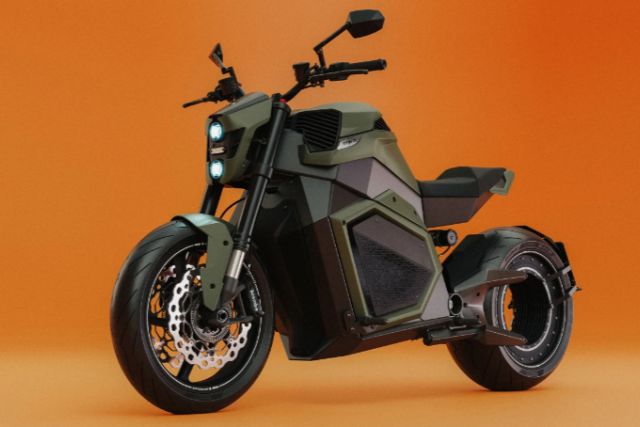
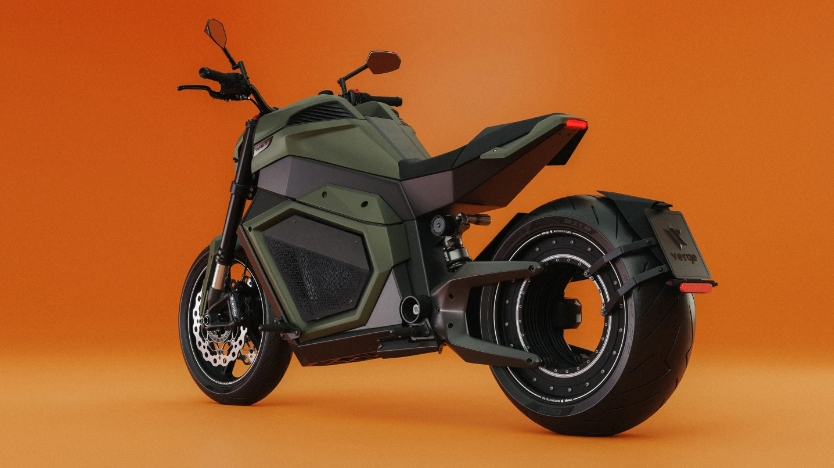
Verge Motorcycles, the Finnish company that will begin selling its electric superbikes in the US market at the end of this year, joins the ranks of well-known car giants, General Motors and Ford, in announcing its intention to utilise Tesla’s NACS charging network.
Share with friends
Electric superbike pioneer, Verge Motorcycles, has taken a stand on the recently much talked about electric plug-in war and announced at the end of June that it would be the first in the industry to adopt Tesla’s NACS charging connector.
“We have been following the discussion with interest about the future of the charging infrastructure and Tesla’s decision to open up its NACS charging standard. Providing our customers with a comprehensive and easy, fast charging system is vital in terms of Verge’s growth. We are currently preparing to enter the US market, and as the Tesla of motorcycles, this decision seemed like a natural solution for us,” says Marko Lehtimäki, Chief Technology Officer at Verge.
“Total customer service is everything for Verge. We want Verge owners to have access to the most extensive fast charging system in North America, which is why we plan to utilise Tesla’s network of 17 000 charging stations,” says Pekka Parnanen, Chief Operating Officer of Verge’s US operations.
Tesla’s decision to remove all the patents for its NACS charging standard has received a lot of international attention recently, after several major players in the industry, including General Motors, Ford and most recently electric car manufacturer, Rivian, announced that they would adopt the charging system developed by Tesla.
Following the move to open up the NACS charging standard, competing operators can also add charging devices equipped with NACS connectors to their networks. Until now, the patent-protected system could only be used to charge Tesla’s own vehicles.
The Kia Carens nameplate makes its return to South Africa, this time as a seven‑seater designed with families in mind. It combines Sport Utility Vehicle (SUV) styling with Multi-Purpose Vehicle (MPV) practicality, offering space, comfort and efficiency, Kia says.
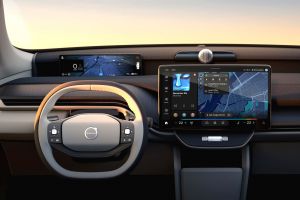
Volvo has confirmed that its vehicles will now integrate Google’s Gemini artificial intelligence system. This development builds on the company’s existing collaboration with Google, which already provides Android Automotive OS and Google services in Volvo models.
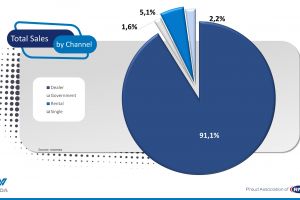
New vehicle sales in 2026 continued their positive trend in April, with the 47 979 units sold marking the best April figure since 2013. This represents a remarkable performance by local automotive retailers despite a host of economic headwinds and a challenging trading environment.
Nissan’s decision to drop a planned $500 million investment in electric vehicle (EV) production at its Canton, Mississippi plant is the latest indication that established manufacturers are reassessing how quickly the market will shift to battery power.
Zero Carbon Charge (CHARGE) welcomes the government’s extension of short term fuel levy relief measures aimed at cushioning consumers from rising fuel prices, but cautions that these interventions do not address the underlying structural challenge facing South Africa’s transport economy.
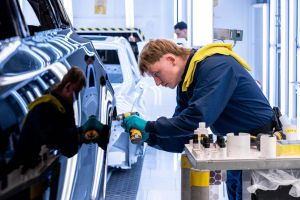
Volvo Cars has started building the fully electric EX60 at its Torslanda factory outside Gothenburg, with first customer deliveries due in early summer.