Utilising green energy for EV charging gains momentum in SA
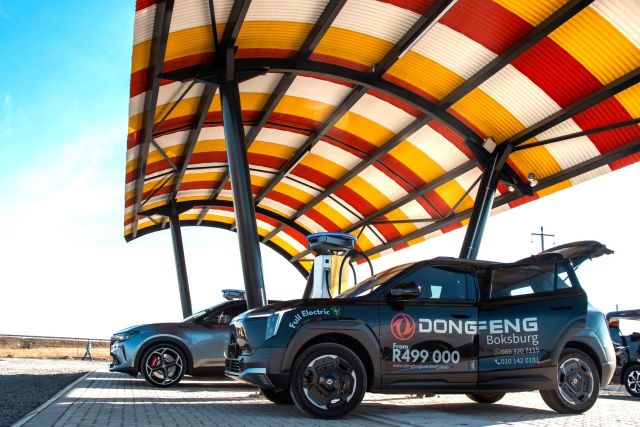
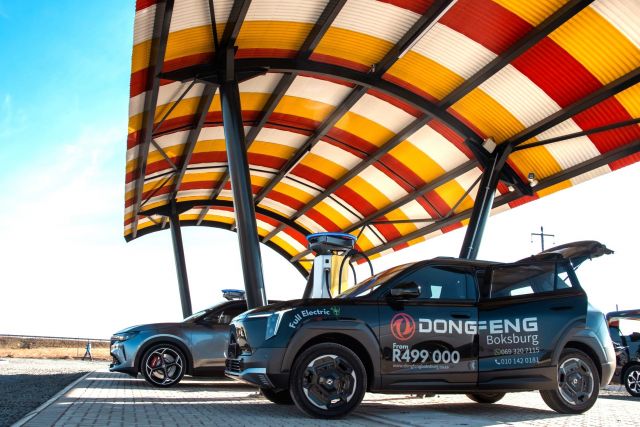
Two new off-grid, solar-powered charging stations for electric vehicles (EV) have been switched on as part of the Zero Carbon Charge (CHARGE) network.
Share with friends
The two new charging stations are located along the strategic Johannesburg to Durban N3 corridor. Positioned on one of the country's most important freight and transport routes, the launch marks a significant step towards enabling electric passenger and freight mobility at scale, powered entirely off-grid, CHARGE says in a statement.
The CHARGE N3 Roadside is at the Reitz Interchange (Exit 107) in the Free State, while the second, CHARGE N3 Tugela, is at the Colenso to Winterton Interchange (Exit 207) in KwaZulu-Natal.
"By building off-grid EV charging infrastructure along key transport corridors like the N3, we are reducing dependence on volatile fuel prices while creating greater energy and transport cost stability over the long term,” ," says Joubert Roux, CHARGE Co-Founder and Chair.
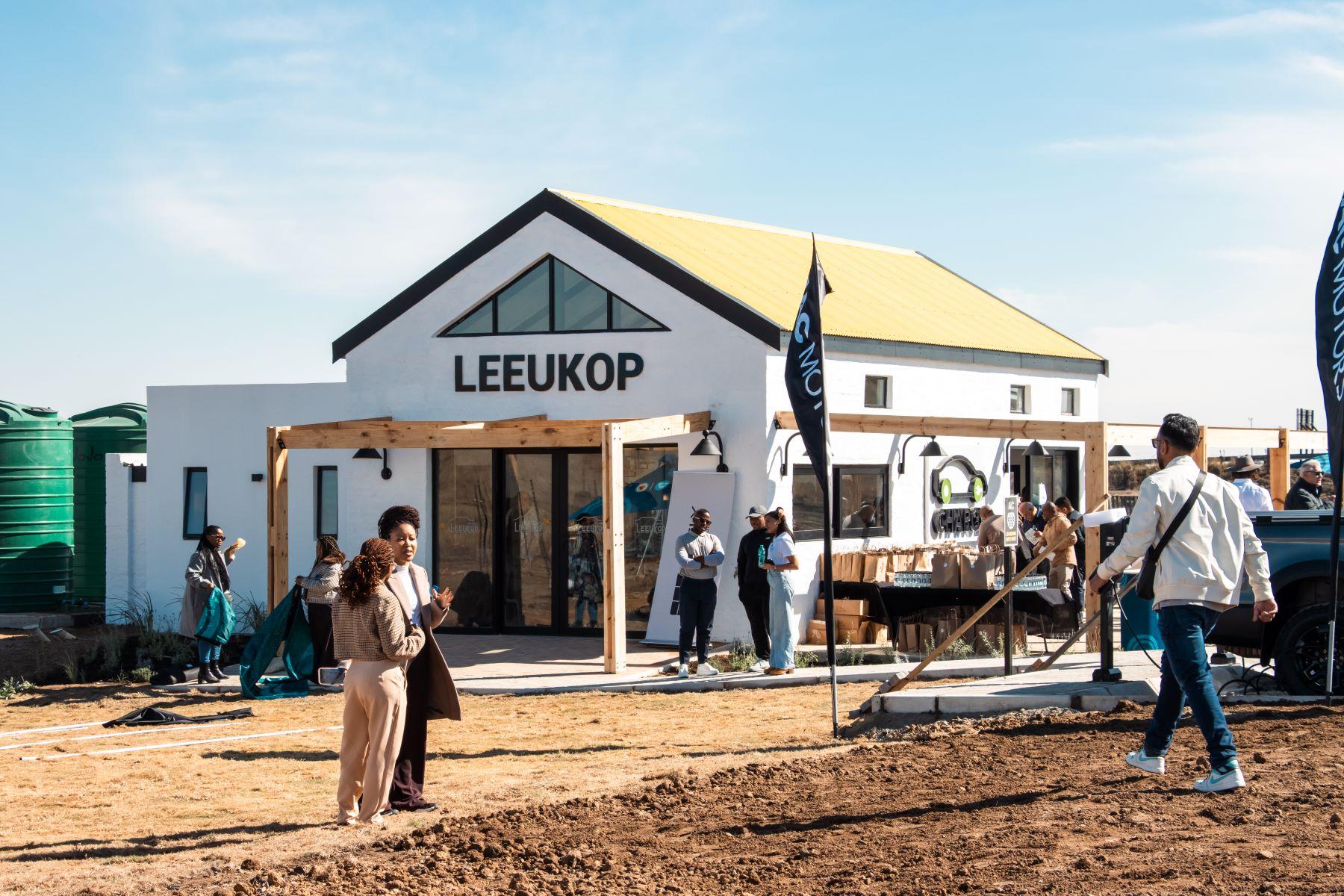
Filling up on coffee while you vehicle is filling up on electricity
"This is about giving consumers and fleet operators the confidence to transition to electric mobility, knowing the infrastructure exists to support them. The future of transport will not be powered by electric vehicles alone; it will be powered by renewable energy infrastructure," he continued.
This expansion is supported by a R100 million investment from the Development Bank of Southern Africa (DBSA) and forms part of CHARGE's broader strategy to roll out a national network of off-grid, ultra-fast, solar-powered EV charging infrastructure on all major routes across the country.
"The DBSA's investment in this project reflects our commitment to financing infrastructure that supports South Africa's energy transition, improves transport resilience and unlocks inclusive economic growth.
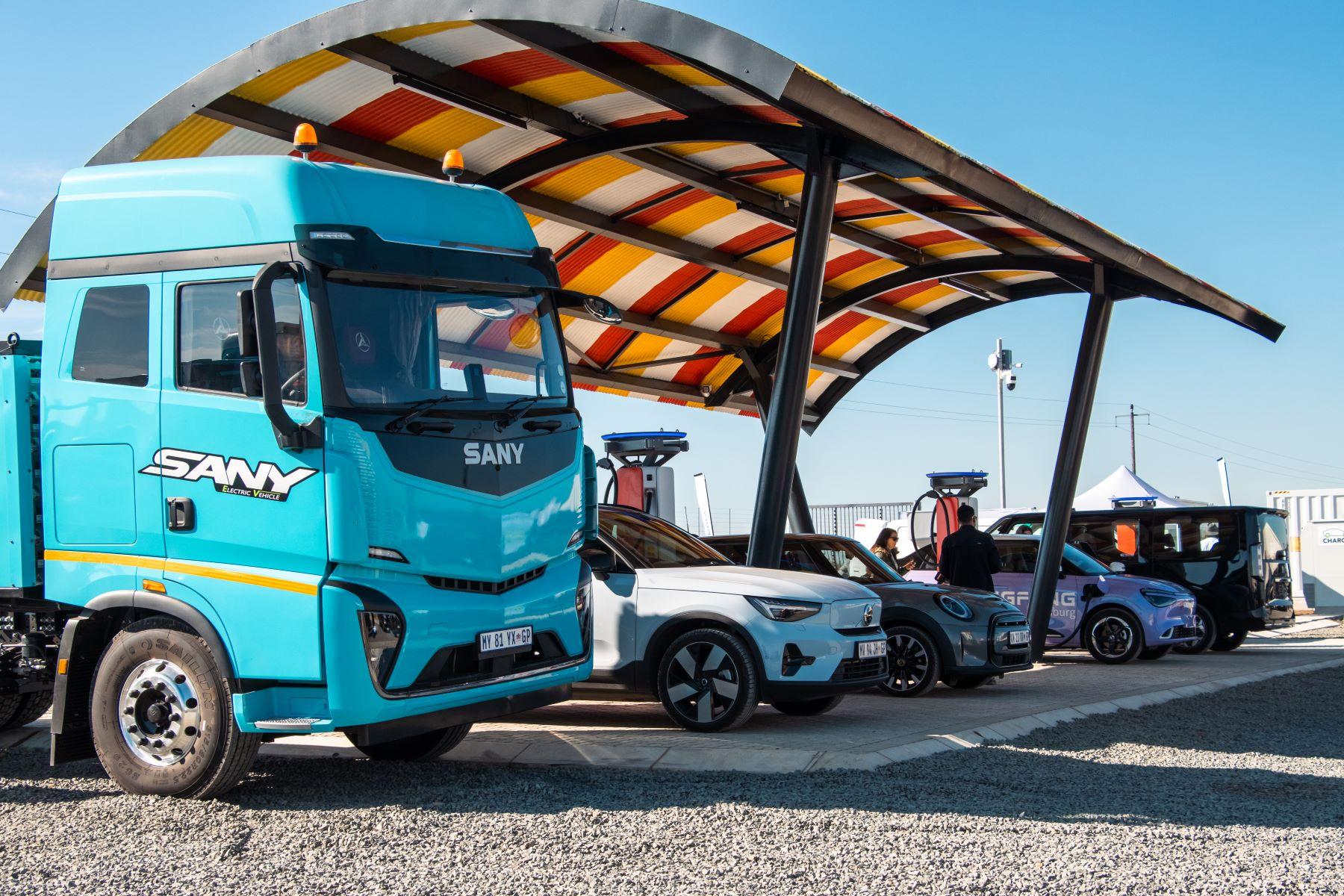
Electric trucks could also use the new charging facilities.
"Innovative models such as CHARGE's renewable energy-powered charging infrastructure demonstrate how sustainable infrastructure can contribute to decarbonising the transport sector while expanding access to future-ready mobility solutions," says Gregory Fyfe, Chief Investment Officer, DBSA.
CHARGE says it has already demonstrated the viability of its model through its pilot site in Wolmaransstad (CHARGE N12 Wolmaransstad) in the North West province, which has achieved 99% uptime since launching in November 2024. The N3 rollout builds on this success, scaling EV charging infrastructure to meet both passenger and commercial fleet demand.
Delivered in under five months and on target, the two new N3 charging stations demonstrate the speed and scalability of CHARGE's off-grid infrastructure model as demand for electric mobility accelerates across South Africa. Following the launch of the N3 corridor, CHARGE will advance its next major rollout phase along the N1 corridor, followed by 60 more sites, before densifying to complete the full 120-site network.
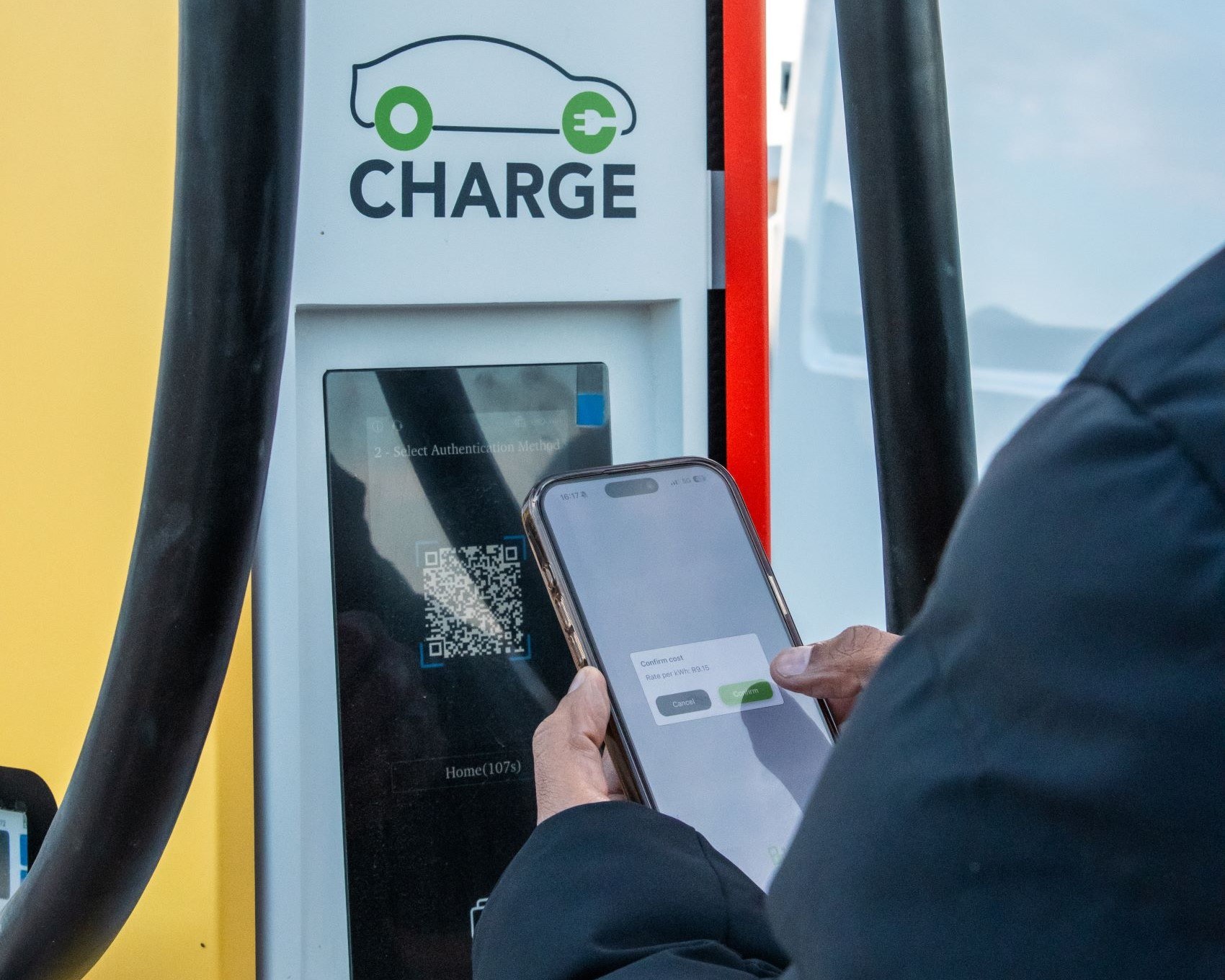
Paying with an App.
Each N3 station is equipped with next-generation technology delivering 50% more charging capacity than the Wolmaransstad pilot site, significantly improving charging speeds. Each station can charge up to eight EVs simultaneously, with three DC chargers with six dispensers and two AC chargers with one dispenser each.
Operating entirely off-grid using solar-powered microgrids and battery storage, charging time is vehicle-specific. CHARGE's DC fast chargers are designed to allow most EVs currently available in South Africa to charge close to their maximum supported power. On average, a typical EV can charge from 20% to 80% within half an hour, depending on vehicle size and battery configuration. Payment and charging are facilitated through the CHARGE mobile app, creating a seamless user experience. Both locations also offer complimentary WiFi, restrooms and on-site farm stalls, namely Leeukop Padstal in the Free State and Three Towers Farm Stall in KwaZulu-Natal, where travellers can enjoy refreshments while charging.
As fuel prices continue to climb across South Africa, many motorists are beginning to question whether owning a car still makes financial sense. With in-land petrol prices now at R26.63 a litre and diesel costs rising sharply in May, transport expenses are placing growing pressure on household budgets.
Pinewood.AI has added two new embedded modules to its Business Intelligence Solution, giving dealers and OEMs greater insight into financial performance and the customer journey, it says.
Margins are shrinking, customers are under financial strain, and competition is intensifying across South Africa’s motor retail sector. Against this backdrop, dealerships are being forced to rethink how they remain profitable while still building customer trust and long term sustainability.
House lawmakers in the United States (US) have proposed bipartisan legislation that would require electric vehicles (EVs) to pay a R2 227 ($130) fee annually for road repairs, and R578 ($35) for some plug-in hybrid models, according to Reuters.
BYD is exploring the possibility of taking over underused car plants in Europe as it looks to expand its manufacturing base and strengthen its foothold in the region’s electric vehicle (EV) market.
Opel has unveiled a key project under development in its model strategy: a completely new, all-electric SUV in the important and highly competitive C-segment that would extend the current line-up.