
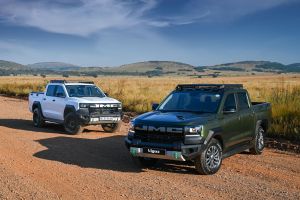
New JMC Vigus will make an impression
Following the official brand re-launch by the Salvador Caetano Group, JMC South Africa announce the arrival of the All-New JMC Vigus.
- Product News
- 17 April 2026
Uber announced the next phase of its low-cost mobility journey with the expansion of its Uber Moto product to include Uber Go Electric in South Africa.
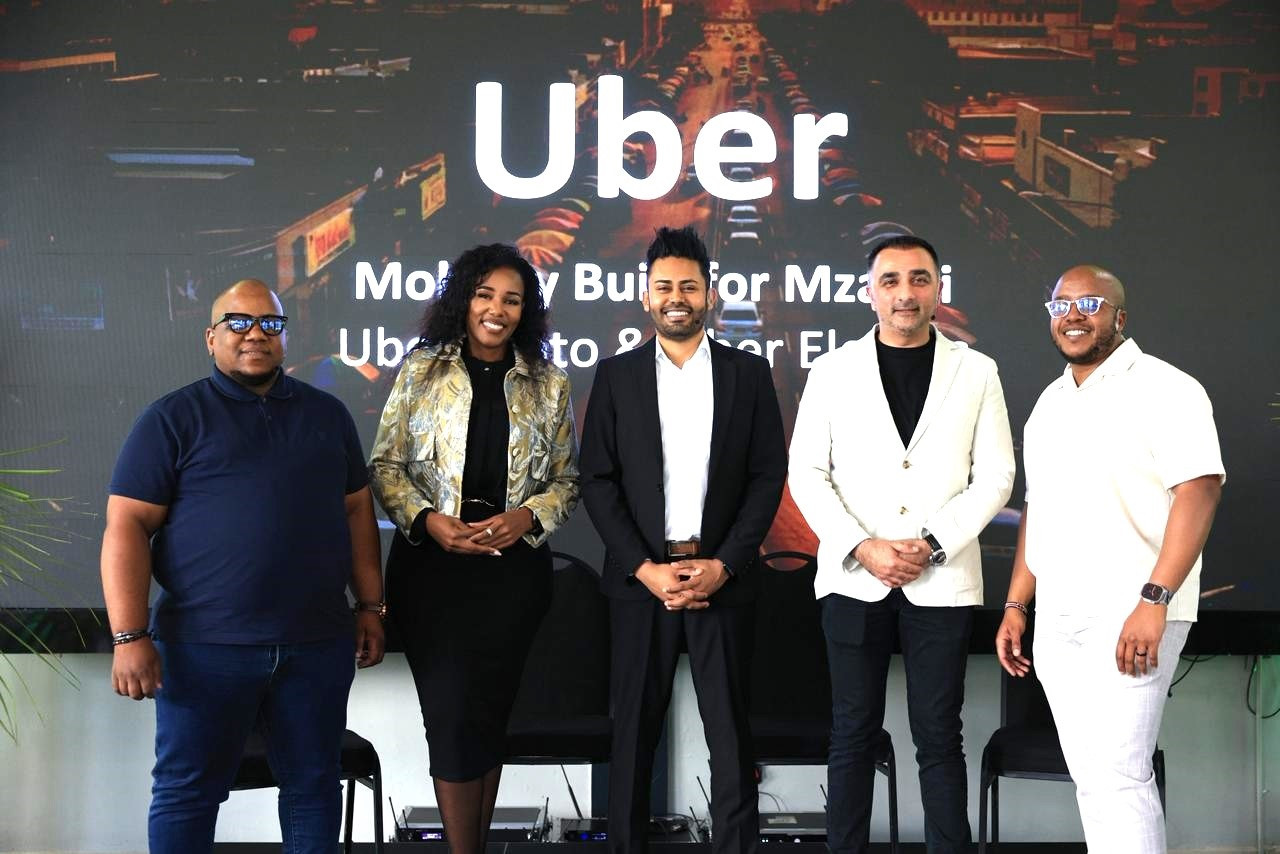
“As part of this next chapter, Uber Moto, which has grown from a small pilot into a trusted and affordable mobility option, completes thousands of trips each week across a vast area of Johannesburg. We are building mobility that reflects the realities of South Africans,” says Deepesh Thomas, General Manager for sub-Saharan Africa at Uber.
The Uber Moto product continues to address transport poverty by offering short, essential trips that help people reach work, education, healthcare and public transport hubs more affordably and reliably. The expansion demonstrates how low-cost mobility can create both access for riders and more predictable earning potential for drivers.
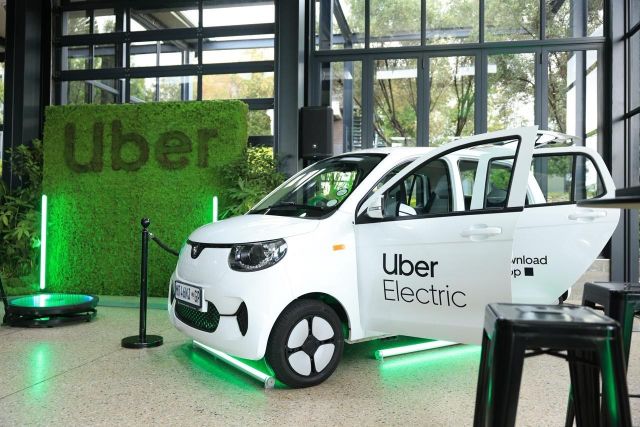
Uber Go Electric is now launched as its first fully electric product in South Africa, operated through fleet partner Valternative. The introduction of electric mobility at the most accessible end of Uber’s portfolio marks a significant step toward a product offering that is cleaner, more sustainable and more cost-effective for the people who power it.
It is intended that Uber Go Electric will improve the economics of earning by removing one of the biggest pressures on drivers: fuel costs. With lower operating expenses, fewer mechanical issues and more predictable running costs, it is expected that drivers can retain a greater share of their income and plan their work with greater confidence, Uber states.
Riders, in turn, benefit from quieter, more comfortable trips at an affordable price point, while cities gain from reduced emissions and congestion as electric mobility becomes more commonplace.
“Electric mobility becomes meaningful when it’s accessible,” said Mohamed Jeewa, CEO of Valternative. “By managing charging, servicing and fleet operations, we ensure drivers can adopt electric vehicles without carrying upfront risk.
“We also remove the friction of daily cash flow that is required by providing an all-inclusive ecosystem. It is our intention that all of this leads to riders and drivers being able to increase their nett earnings. Electrifying fleets in SA is one of the most rewarding journeys for our business,” he says.
Uber says its progress across accessible and electric mobility is supported by complementary partnerships that reflect the realities of South Africa’s transport landscape. Through Valternative, Uber brings electrification to drivers in a way that is financially practical. Through Africa Moova, a collective of local taxi associations, Uber taps into deep community networks and on-the-ground expertise.
“From the expansion of Uber Moto to the launch of Uber Go Electric, Uber is investing in mobility solutions designed for the way South Africans really move,- solutions that support livelihoods, strengthen communities and contribute to cleaner, more inclusive cities. Our goal is simple,” says Deepesh Thomas: “To build mobility that is accessible, sustainable and proudly built for Mzansi.”
Following the official brand re-launch by the Salvador Caetano Group, JMC South Africa announce the arrival of the All-New JMC Vigus.
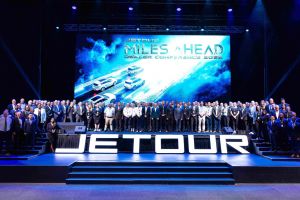
Jetour South Africa hosted its inaugural Dealer of the Year Awards on Tuesday night, bringing together its national dealer network of nearly 60 dealerships.
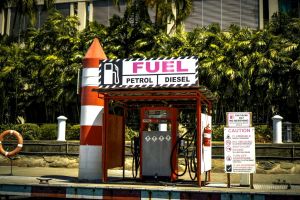
South Africa’s motorists and automotive sector are facing a fresh layer of uncertainty as the Middle East conflict continues to disrupt global oil markets, but for now the country’s fuel supply remains stable even as costs rise.
 Advertisement
 Advertisement
I have bad reflexes. I was once run over by a car being pushed by two guys
Woody Allen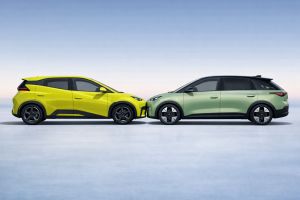
Two years ago, the cheapest mainstream electrical vehicles (EVs) in South Africa were mostly premium products priced well above R700 000.
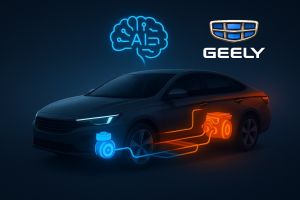
Geely Auto has lifted the curtain on a new hybrid technology that it believes can redraw the balance of power in a segment dominated for decades by Japanese brands.
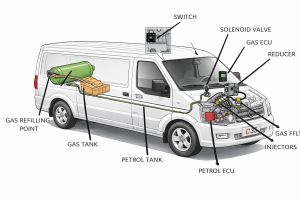
As fuel prices continue to place pressure on South African consumers and businesses, DFSK South Africa has introduced an LPG Autogas conversion solution aimed at reducing operating costs and improving vehicle efficiency across its petrol range.