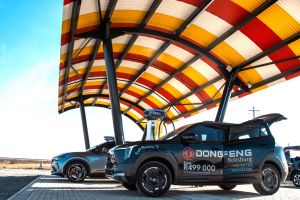
Zero Carbon Charge (CHARGE) reached a major milestone in South Africa’s electric mobility transition with breaking ground for two off-grid, solar-powered ultra-fast EV-charging stations along the N3 corridor.
Share with friends
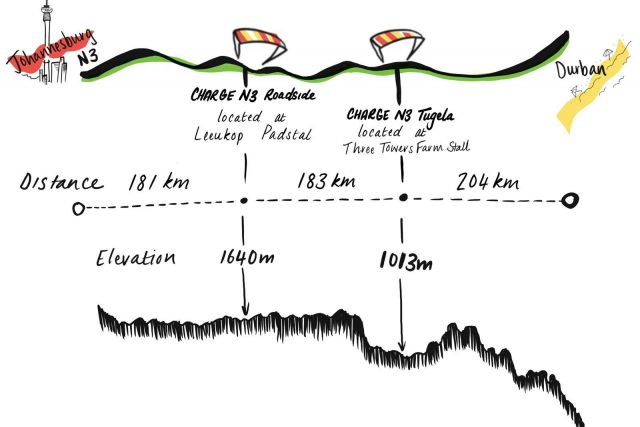
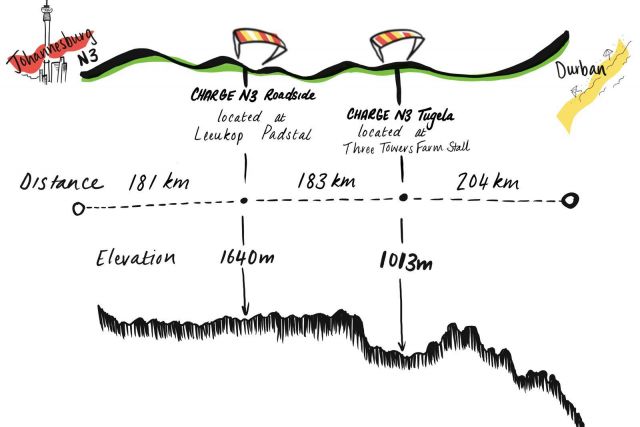
The first, CHARGE N3 Roadside in the Free State, is approximately 180km from Johannesburg, and CHARGE N3 Tugela in KwaZulu-Natal, is just over 180km from the Roadside site and around 200km from Durban.
These will be the first fully off-grid, solar-powered ultra-fast EV-charging stations on the N3, ensuring reliable, fast charging on one of the country’s busiest and most important transport routes, the company claims. Both sites form part of CHARGE’s national roll-out of South Africa’s first network of 120 off-grid EV-charging stations.
This milestone was made possible through an equity investment by the Development Bank of Southern Africa (DBSA), enabling construction to begin on CHARGE’s first N3 sites.
CHARGE Executive Chairman and Founder, Joubert Roux, says they are grateful to the DBSA for believing in CHARGE’s vision and providing the investment that has made these N3 sites possible. “We also pay tribute to our team, whose dedication and hard work have brought us to this momentous occasion. These first N3 stations represent the beginning of a national transformation, creating reliable, renewable and accessible charging for all South Africans.”
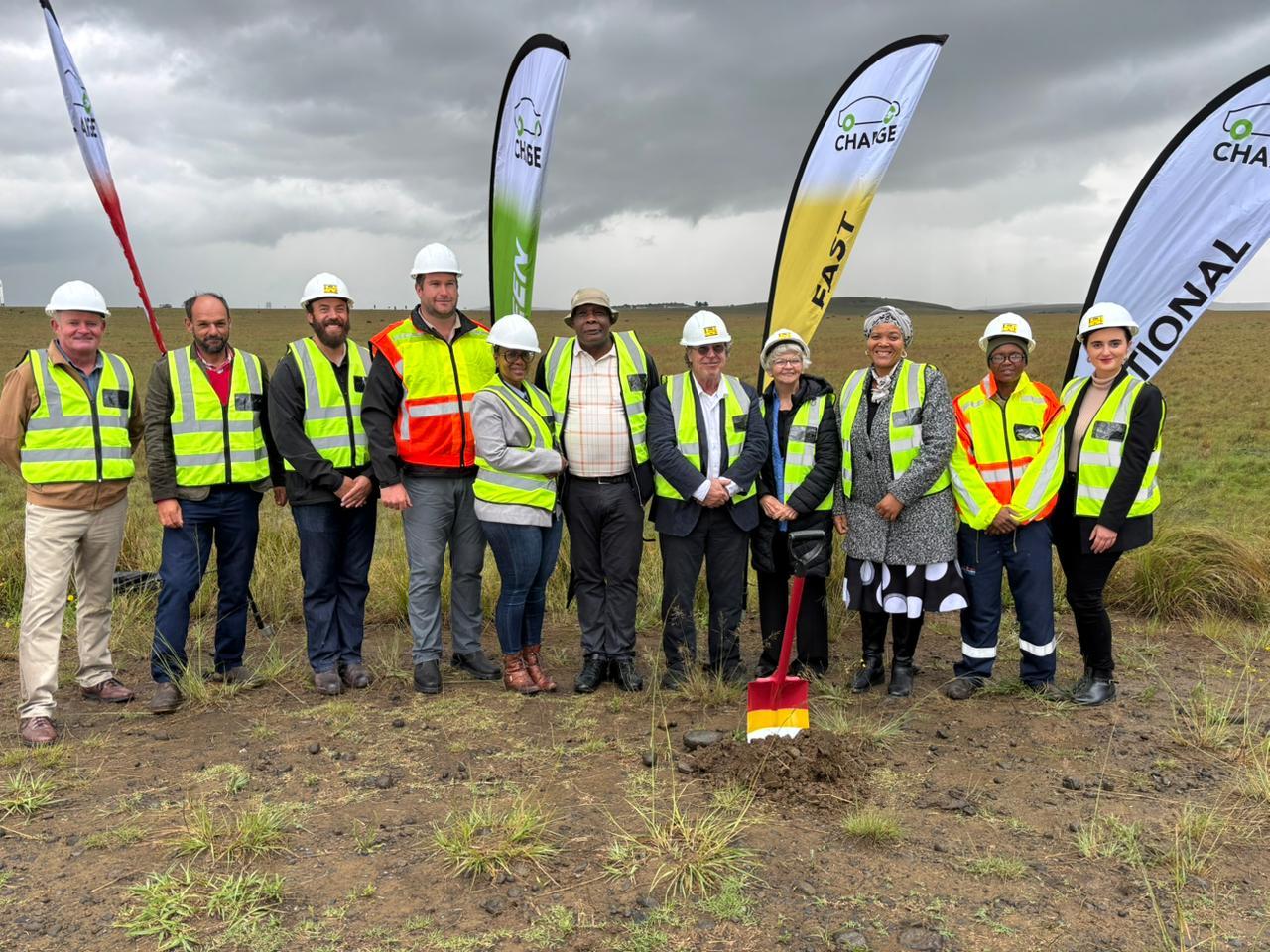
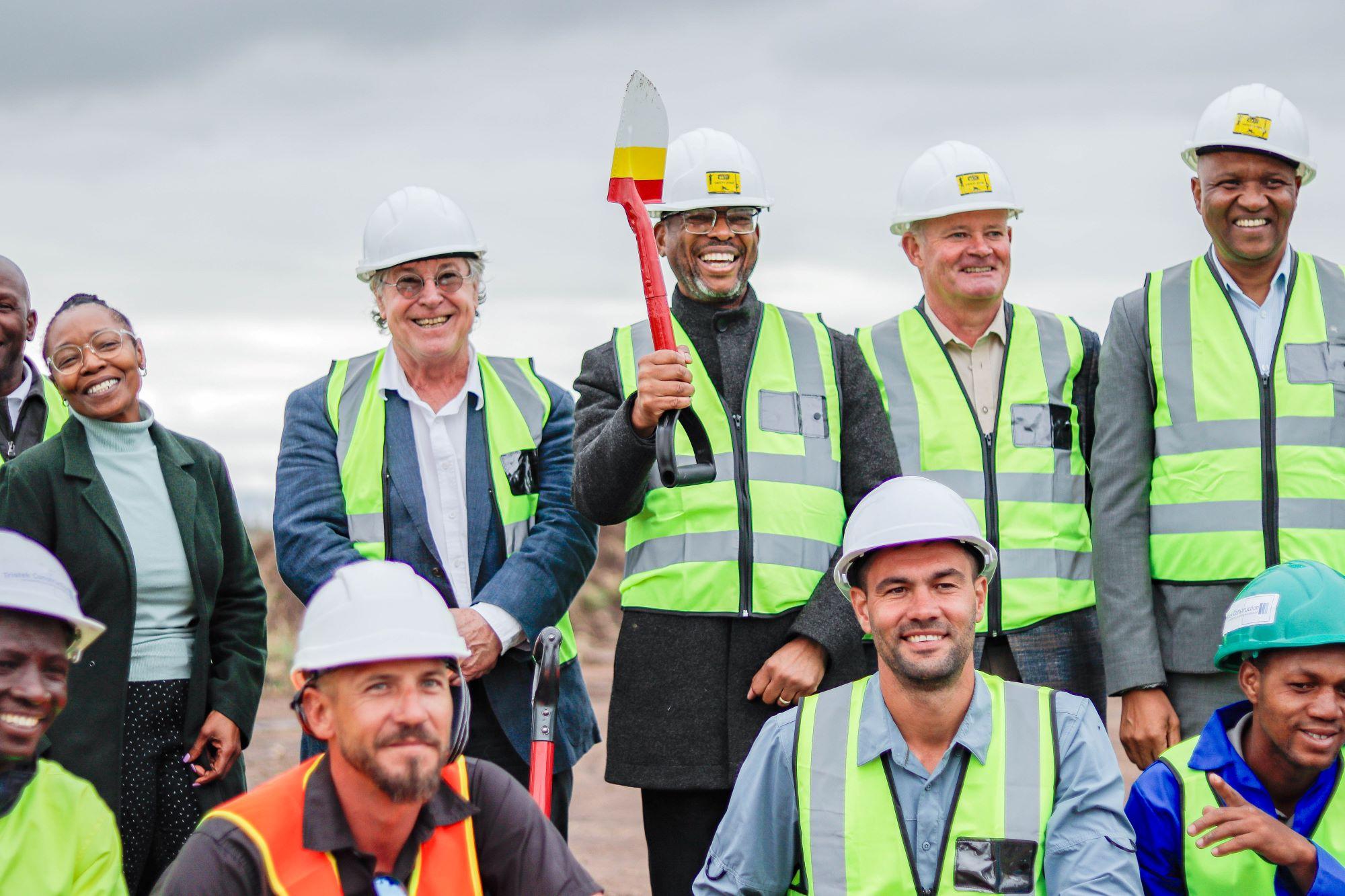
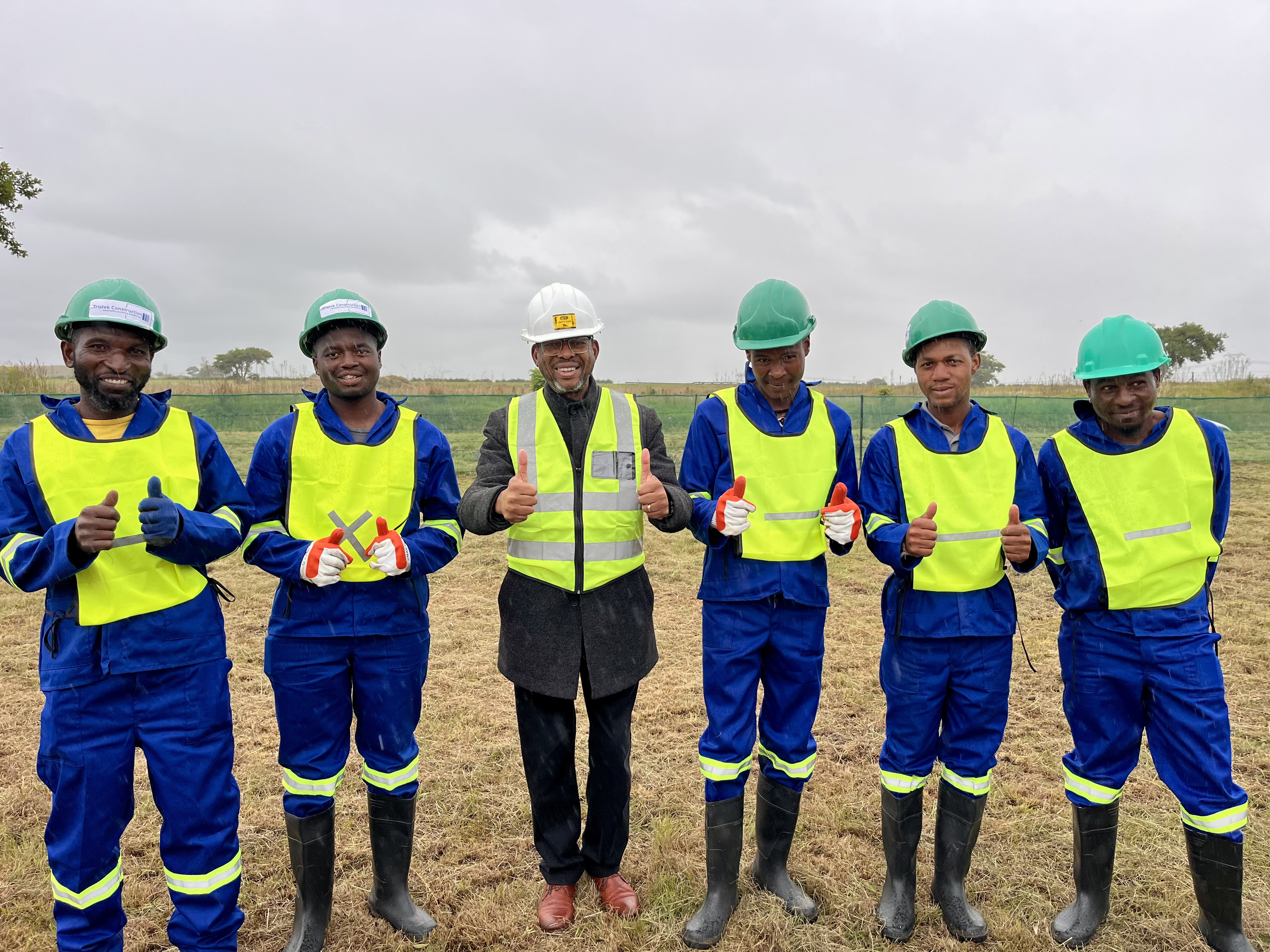
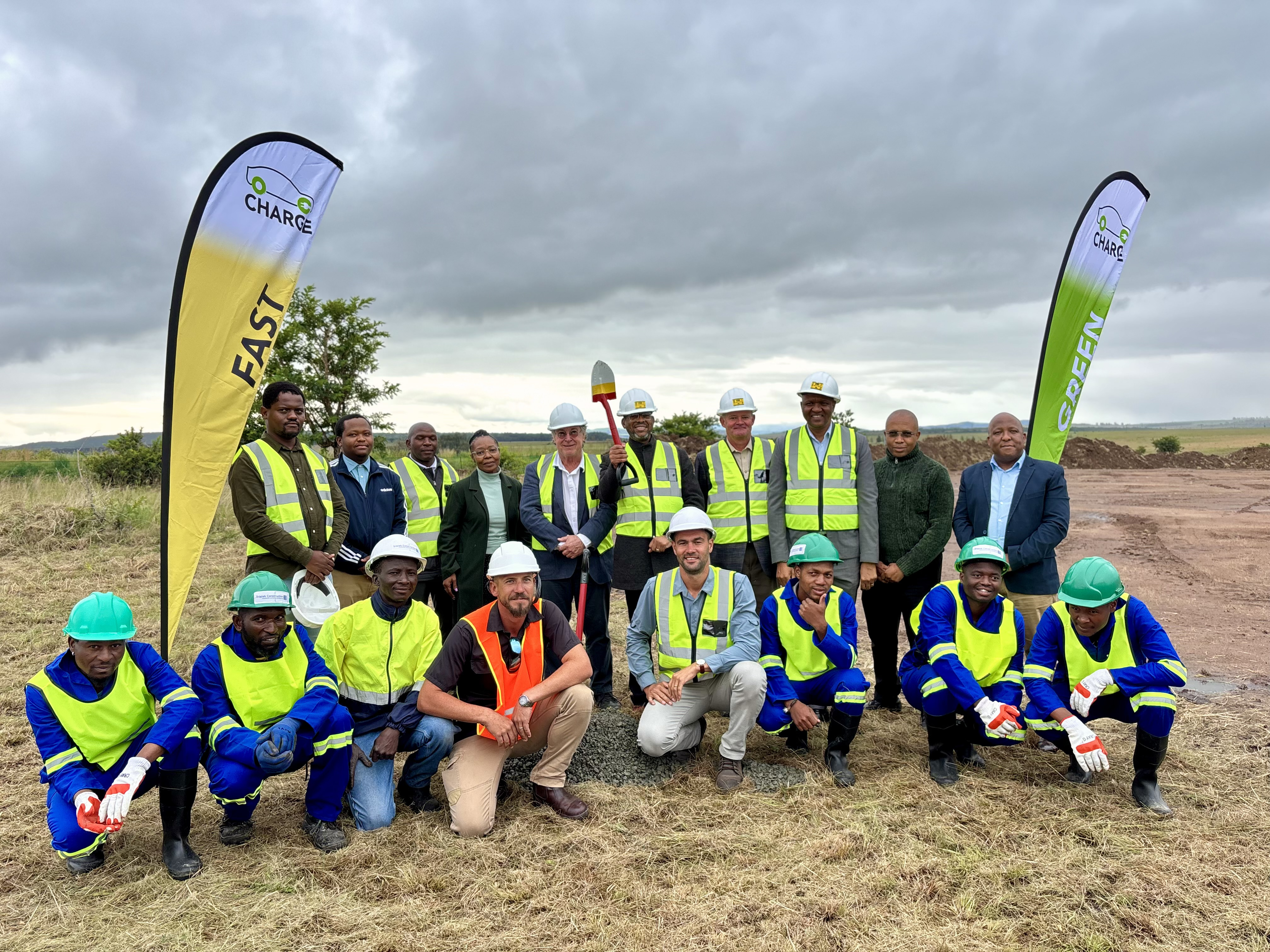
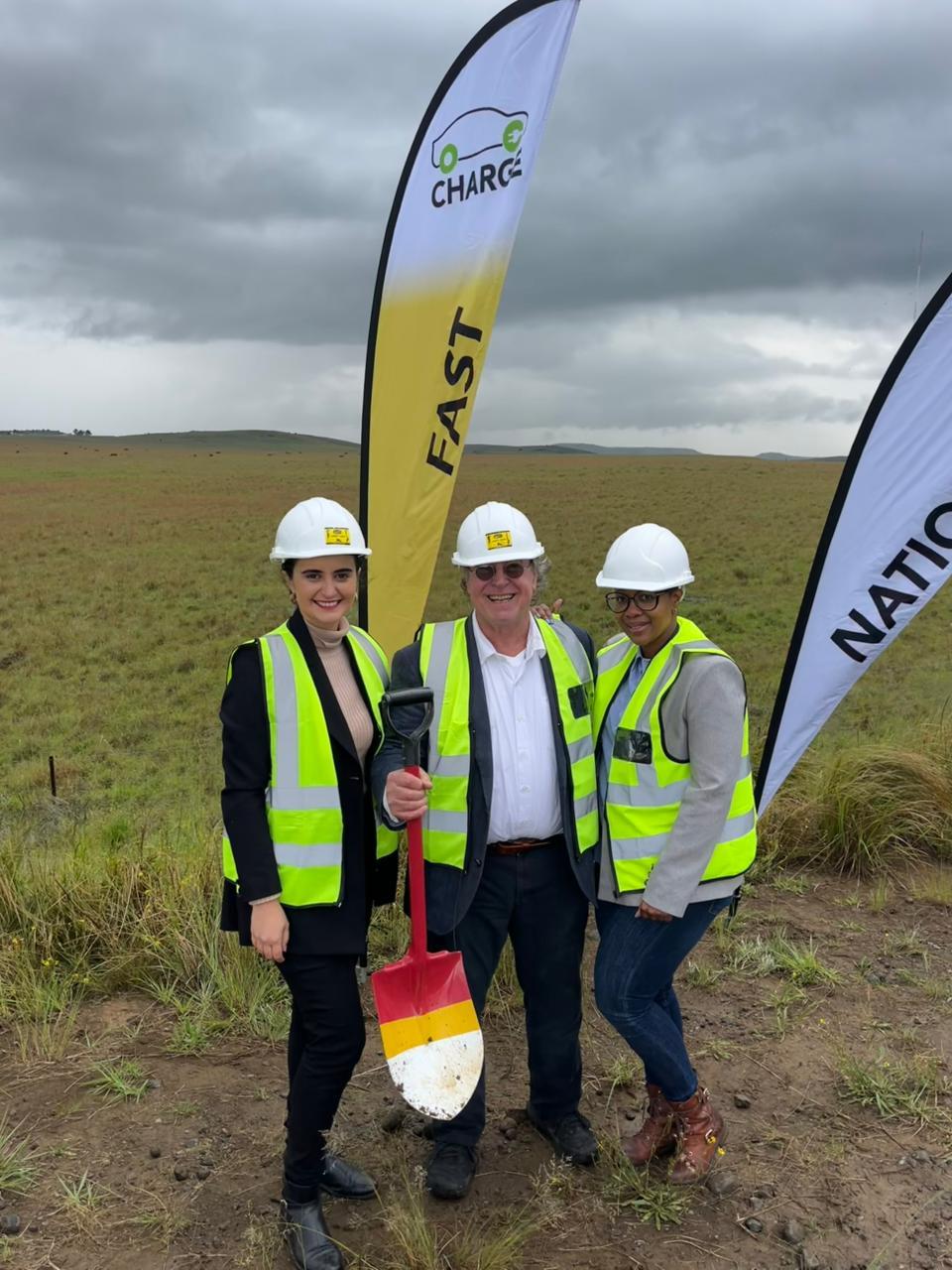
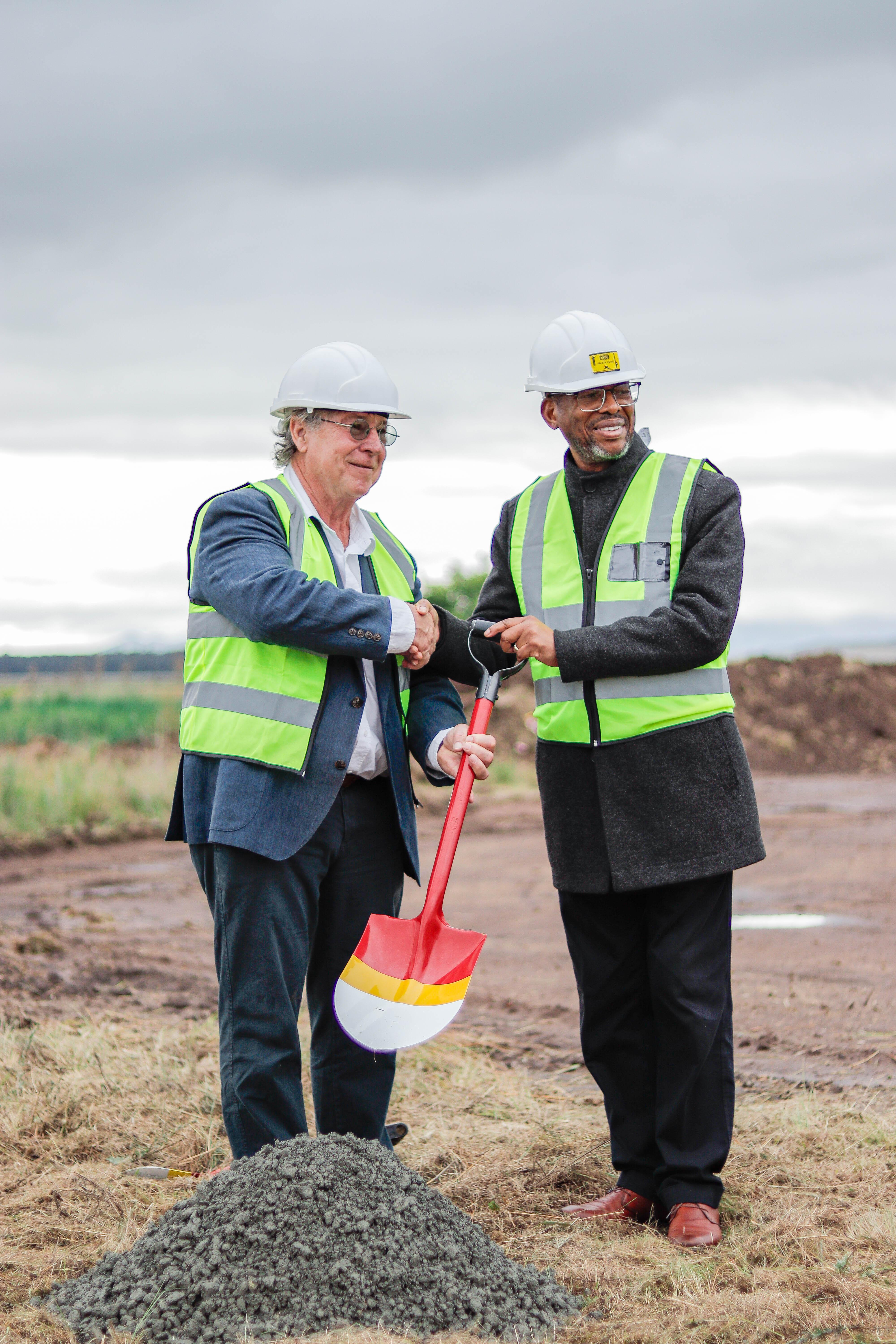
To commemorate the achievement, CHARGE hosted sod-turning ceremonies at both locations, attended by provincial leadership, municipal officials and national partners.
At the N3 Tugela event near Winterton, the ceremony was attended by the MEC for Economic Development, Tourism and Environmental Affairs (DETEA), MEC the Reverend Zondi; the CEO of Trade and Investment KwaZulu-Natal (TIKZN), Mr Sihle Mkondo; and representatives of the Okhahlamba Municipality.
The MEC, the Reverend Zondi, speaking at the CHARGE N3 Tugela sod-turning, highlighted the importance of this development for KwaZulu-Natal’s economic future by saying that the project demonstrates how green energy and green mobility can unlock new economic opportunities for the province. “The N3 is central to trade and tourism in KZN, and the arrival of fully off-grid, ultra-fast charging infrastructure shows our readiness to lead in the future economy. This is exactly the type of investment that creates jobs, builds capacity and strengthens our green industrialisation pathway.”
During the CHARGE N3 Roadside sod-turning in the Free State, CHARGE welcomed the MEC of DESTEA, Ketso Makume, and the Speaker of Phumelele Municipality, Topsy Roseline Zwane, with the support of representatives from the DBSA.
Commenting on the CHARGE N3 Roadside development, of DESTEA, MEC Ketso Makume, welcomed the project’s economic and environmental contribution: “By decarbonising transport along the N3, this project supports our provincial goals for a cleaner, more resilient economy. It brings construction and technical jobs into our communities and strengthens the Free State’s position in the emerging clean-energy value chain.”
Construction on both stations has officially begun and is expected to be completed in 2026. Once operational, the CHARGE N3 Roadside and CHARGE N3 Tugela stations will anchor a Johannesburg-to-Durban renewable-energy charging route, bringing South Africa closer to a cleaner transport future.
As fuel prices continue to climb across South Africa, many motorists are beginning to question whether owning a car still makes financial sense. With in-land petrol prices now at R26.63 a litre and diesel costs rising sharply in May, transport expenses are placing growing pressure on household budgets.
Pinewood.AI has added two new embedded modules to its Business Intelligence Solution, giving dealers and OEMs greater insight into financial performance and the customer journey, it says.
House lawmakers in the United States (US) have proposed bipartisan legislation that would require electric vehicles (EVs) to pay a R2 227 ($130) fee annually for road repairs, and R578 ($35) for some plug-in hybrid models, according to Reuters.
BYD is exploring the possibility of taking over underused car plants in Europe as it looks to expand its manufacturing base and strengthen its foothold in the region’s electric vehicle (EV) market.