Toyota has shifted to a higher gear with more New Energy Vehicles (NEV) planned for introduction in South Africa.
Share with friends
Not to forget that Toyota was the first hybrid on local shores with the Prius and since then we have seen many more hybrid models form Toyota, including the RAV4 GX hybrid introduced here in 2021.
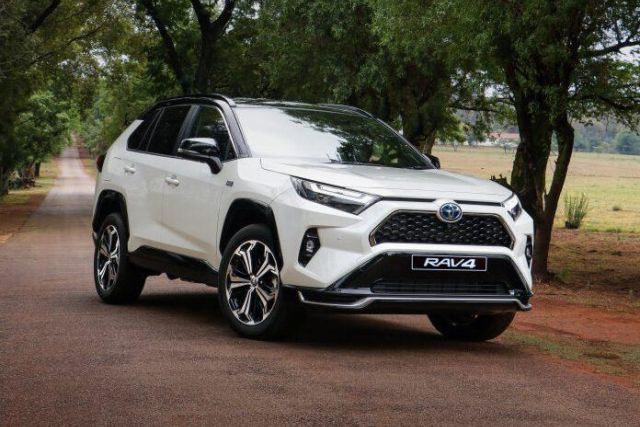
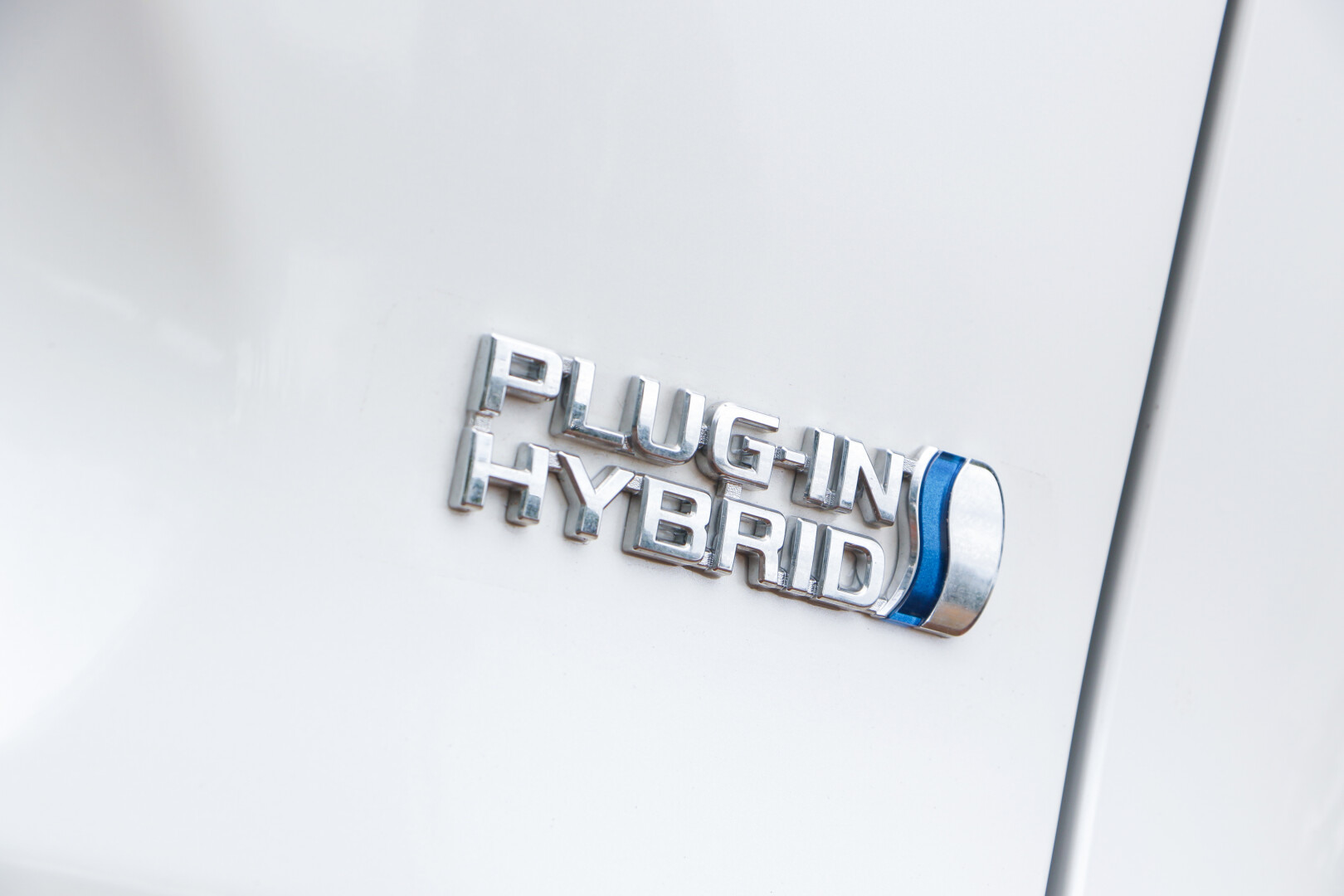
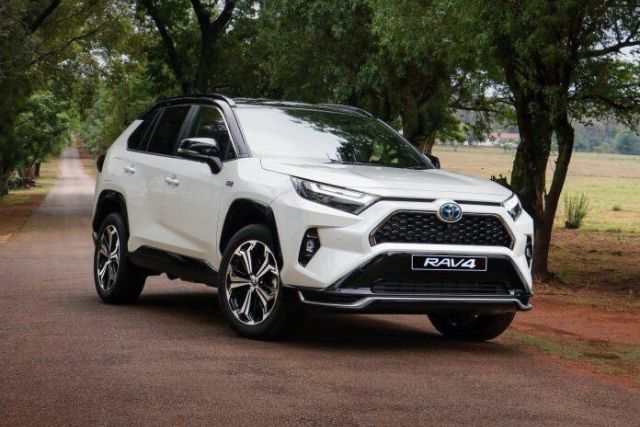
Now Toyota is, as the manufacturer put it, “testing the waters” so to speak, with the RAV4 Plug-In Hybrid Vehicle (PHEV), the first of its kind from Toyota for the South African market.
While not officially on sale yet, several RAV4 PHEVs have been imported as a market research exercise to test customer response, vehicle behaviour, infrastructure requirements and other technical aspects, as well as educate customers on the plug-in technology.
Launched to worldwide acclaim in 2021, the Plug-In RAV4 offers the power and clean efficiency of an EV vehicle without the associated range anxiety or charging dependency. Here you get all the benefits of a traditional full-hybrid vehicle (self-charging, petrol engine back-up and extended range), with the additional performance and pure EV driving mode of a battery electric vehicle (BEV).
Toyota South Africa is testing its first plug-in hybrids in South Africa.
Under the hood is a 2.5-litre petrol powerplant paired with a larger EV battery and two electric motors on each axle. The battery is of the Lithium-Ion variety, which supplies 18.1 kW of power and is located below the passenger compartment.
The petrol engine employs a DOHC design with dual VVT-i, punching out 136 kW and 227 Nm. This Is paired with front and rear electric motors that contribute 134 kW and 40 kW, respectively. Torque is plentiful, with an additional 270 kW and 121 Nm on tap. The resulting Total System Output is an impressive 225 kW.
The plug-In model uses the same architecture of the ‘conventional’ E-Four model, delivering AWD performance by providing electric drive to both front and rear axles. The petrol engine drives the front axle via a CVT transmission. The E-Four system Intelligently switches between AWD and 2WD modes depending on usage conditions with a dedicated Trail Mode for increased rear axle torque split.
The vehicle offers a range of up to 80 km on pure EV mode depending on battery state of charge (SOC) and usage conditions. Acceleration in this mode is impressive and fuel consumption zero.
HV mode allows the vehicle to operate like a traditional Toyota Hybrid. This allows the RAV4 to continue its journey even when the battery has been depleted by using regenerative braking and/or charging the battery via the petrol engine. Using the HV mode, the RAV4 PHEV could extend the driving range by more than 800 km.
An Auto EV/HV mode allows the system to switch between pure electric and hybrid modes, based on acceleration input required. The petrol motor is brought online when required and then returned to electric operation as soon as conditions permit.
Charging Mode is provided to recharge the battery, in which case the system uses the petrol engine to recharge the battery pack. Once the hybrid battery is fully recharged, the system will switch to HV mode.
In order to recharge the vehicle, two solutions are provided, namely a Toyota Mode 2- and Mode 3-charging cable. Mode 2 allows for home or office charging via conventional AC 220-240V electric outlets and take between 7 and 9 hours. Mode 3 permits fast DC charging via dedicated charging stations, taking only 2.5 hours when using a 32A, 6.6 kW charger.
Europe’s used electric vehicle (EV) market is experiencing a notable surge as the Iran conflict drives up global oil prices and pushes petrol costs sharply higher across the continent.
Geely Auto has been recognised in the S&P Global Sustainability Yearbook 2026 (Global), marking a significant milestone for the brand’s global sustainability efforts and the first and only Chinese vehicle manufacturer to make the list.
Volkswagen Motorsport driver Jonathan Mogotsi has earned his Nürburgring Permit A ‘Ring Licence’ to qualify to race in the legendary circuit’s 24-Hour from 18 – 19 May 2026.
Europe’s used electric vehicle (EV) market is experiencing a notable surge as the Iran conflict drives up global oil prices and pushes petrol costs sharply higher across the continent.
Zero Carbon Charge (CHARGE), developer of a national network of off-grid, solar-powered electric vehicle (EV) charging stations, has formally submitted an objection to the South African National Roads Agency Limited’s (SANRAL) proposed amendments to its Rest and Service Facilities (RSF) Policy.
A new modelling study published in Nature Energy suggests that battery‑electric passenger vehicles (EVs) could become the most cost‑effective option for many African countries within the next two decades.