
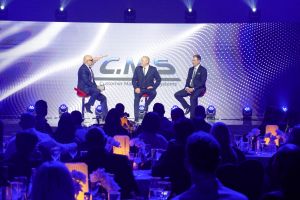
CMS Systems marks 25 years in automotive retail technology
CMS Systems is celebrating 25 years in business, marking a significant milestone for a company that has become a central player in automotive retail technology.
- Industry News
- 24 April 2026
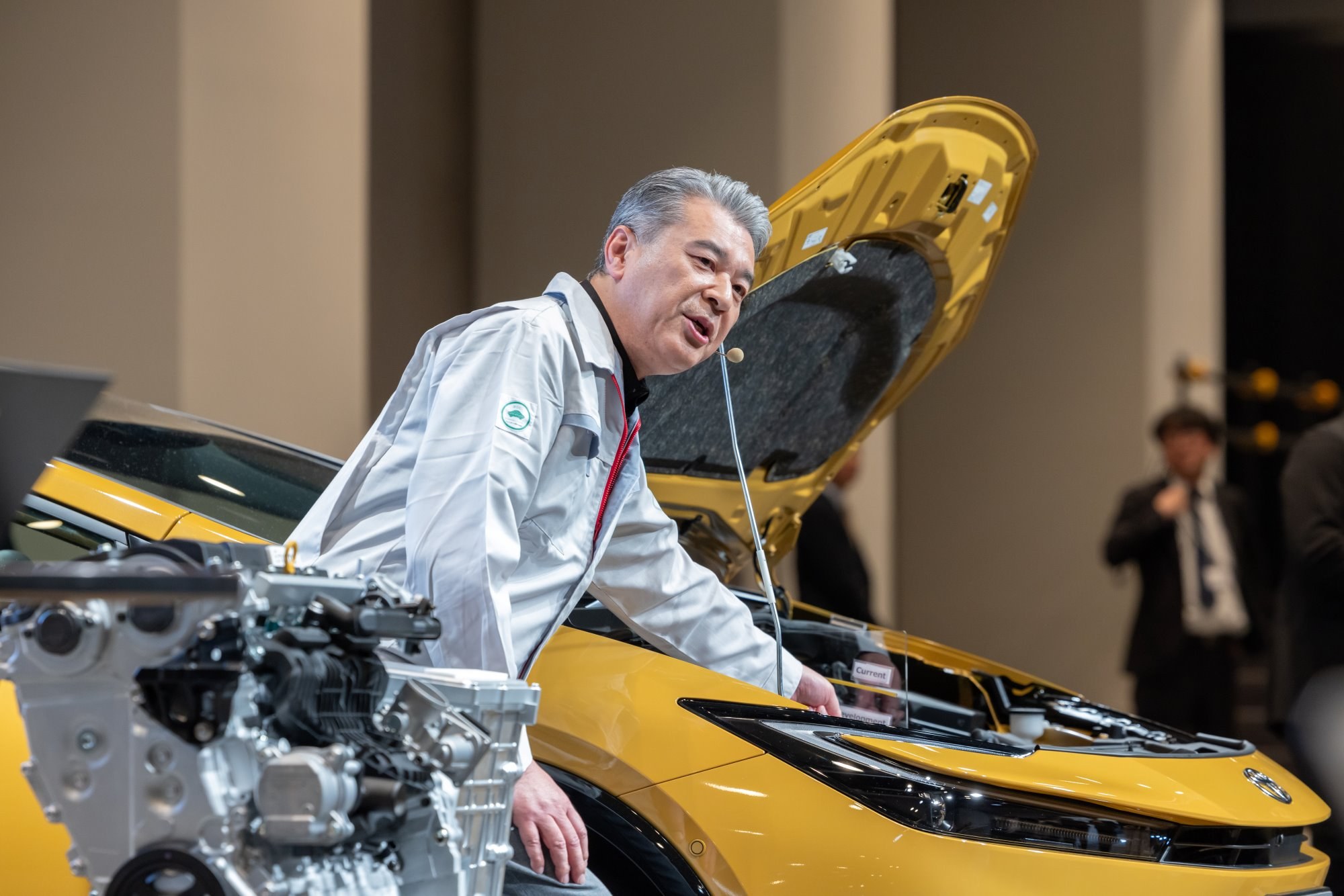
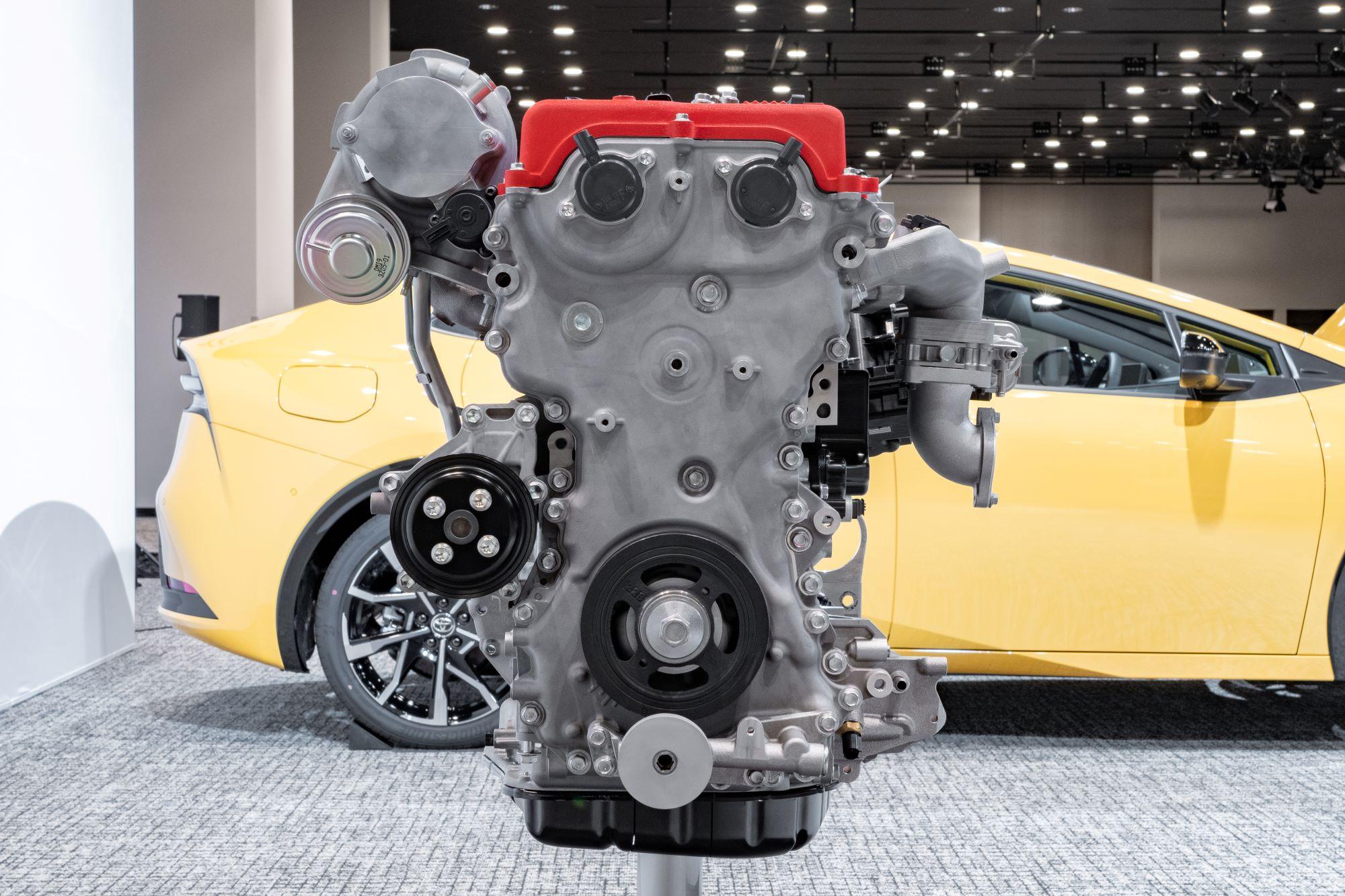
Toyota Motor Corporation (Toyota), Subaru Corporation (Subaru), and Mazda Motor Corporation (Mazda) have each committed to developing new engines tailored to electrification and the pursuit of carbon neutrality.
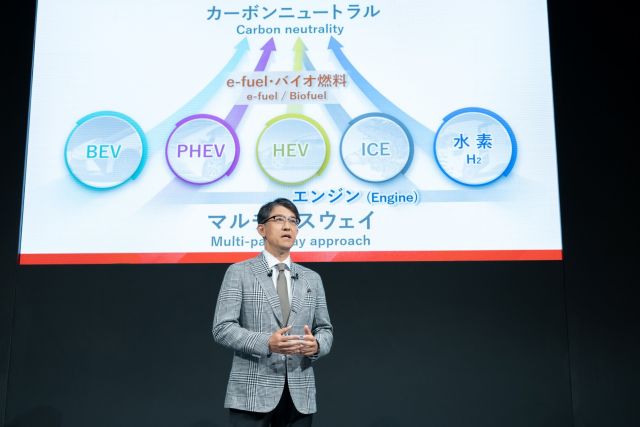
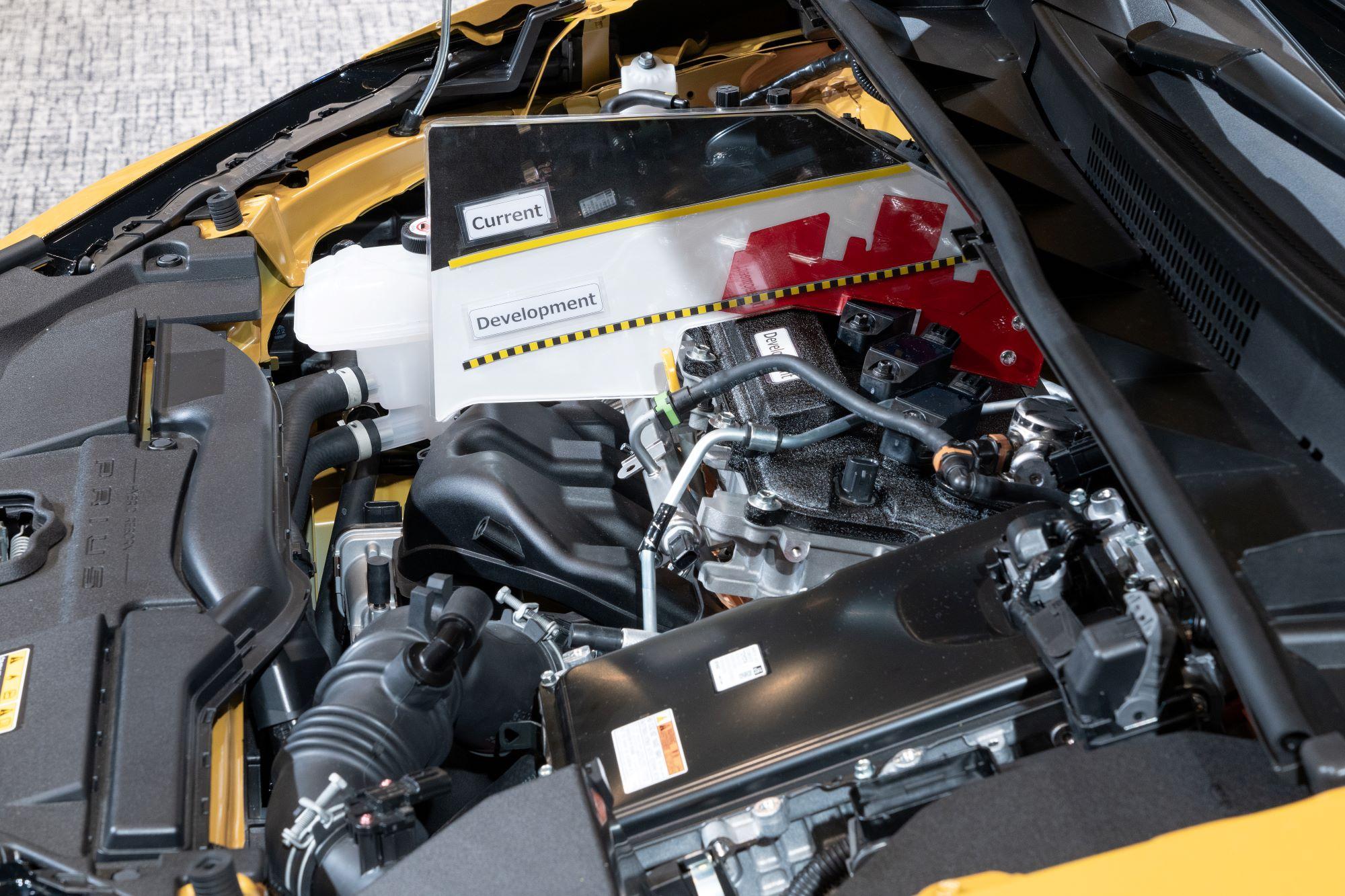
With these engines, each of the three companies aims to optimise integration with motors, batteries and other electric drive units. While transforming vehicle packaging with more compact engines, these efforts will also decarbonise ICEs by making them compatible with various carbon-neutral (*CN) fuels.
Toyota, Subaru and Mazda have always been driven by a deep understanding of their customers' diverse lifestyles. This understanding has led the three companies to develop signature engines that not only represent their respective brands but also cater to their customers' unique needs and preferences.
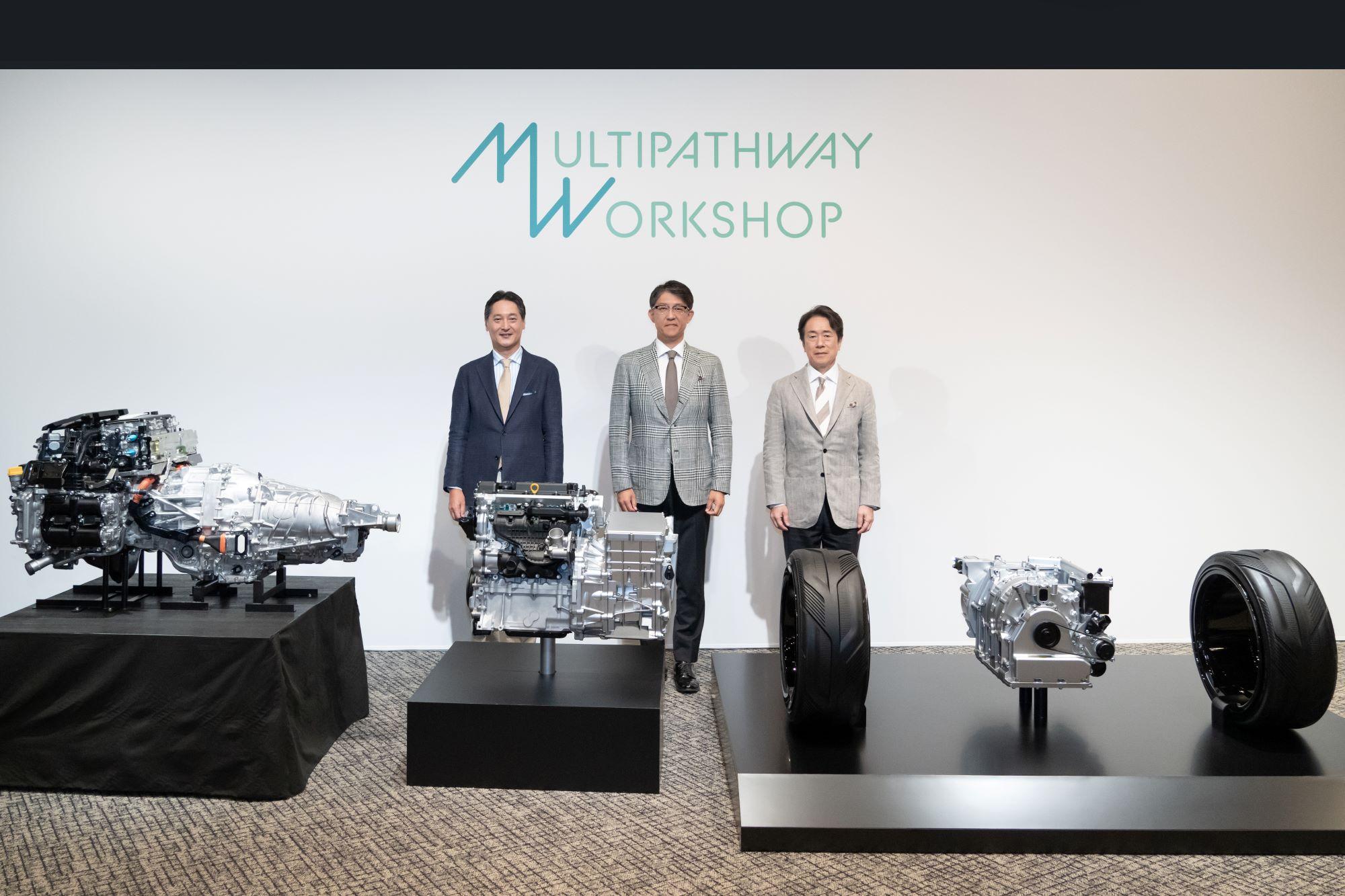
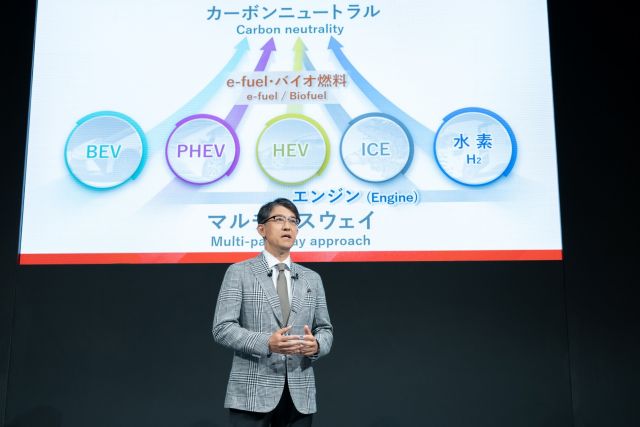
"In order to provide our customers with diverse options to achieve carbon neutrality, it is necessary to take on the challenge of evolving engines that are in tune with the energy environment of the future. The three companies, which share the same aspirations, will refine engine technologies through friendly competition," says Koji Sato, President, Member of the Board of Directors and CEO, Toyota Motor Corporation.
This process has clarified the role that future engines will play in achieving carbon neutrality. With the next generation of engines, the three companies will seek to not only improve standalone engine performance but also optimise their integration with electric drive units, harnessing the advantages of each.
While being highly efficient and powerful, the new engines will also revolutionise vehicle packaging by being more compact than existing models. Smaller engines will allow for even lower hoods, improving design possibilities and aerodynamic performance while contributing to better fuel efficiency. The development will also emphasise compliance with increasingly strict emissions regulations.
At the same time, the new engines will be made carbon neutral by shifting away from fossil fuels and offering compatibility with various alternatives, including e-fuel (synthetic fuel), biofuels and liquid hydrogen. In doing so, these engines will contribute to the broader adoption of CN fuels.
As Toyota, Subaru and Mazda compete in the product arena with unique engines and cars, the companies have a shared dedication to achieving carbon neutrality through a multi-pathway approach. Together with like-minded partners similarly skilled and passionate about engines, they will work to create the future of Japan’s auto industry.
* Fuels with net zero CO2 emissions into the atmosphere across their life cycle, from manufacture to use. These include e-fuel, made from hydrogen and carbon dioxide, and biofuels derived from biomass (plants, etc).
CMS Systems is celebrating 25 years in business, marking a significant milestone for a company that has become a central player in automotive retail technology.
Oil prices jumped on Wednesday after Iran's seizure of container ships in the strait.
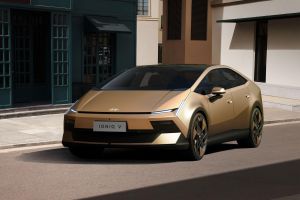
Hyundai Motor is preparing an aggressive comeback in China, unveiling plans to launch 20 new vehicles over the next five years as it tries to rebuild its position in the world’s largest car market.
 Advertisement
Advertisement
Advertisement
Have you ever noticed that anybody driving slower than you is an idiot, and anyone going faster than you is a maniac?
George Carlin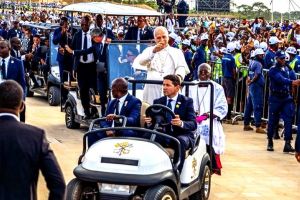
Supporting the Pope on Africa soil in or on vehicles assembled on the continent, is the story of OPAIA Motors.
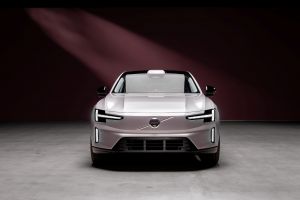
Europe’s shift to electric vehicles (EVs) gathered fresh momentum at the start of 2026, as soaring petrol prices prompted drivers to rethink the cost and security of running petrol and diesel vehicles.
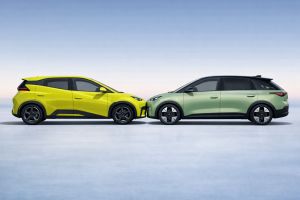
Two years ago, the cheapest mainstream electrical vehicles (EVs) in South Africa were mostly premium products priced well above R700 000.