Toyota Motor Corporation (Toyota), Subaru Corporation (Subaru), and Mazda Motor Corporation (Mazda) have each committed to developing new engines tailored to electrification and the pursuit of carbon neutrality.
Share with friends
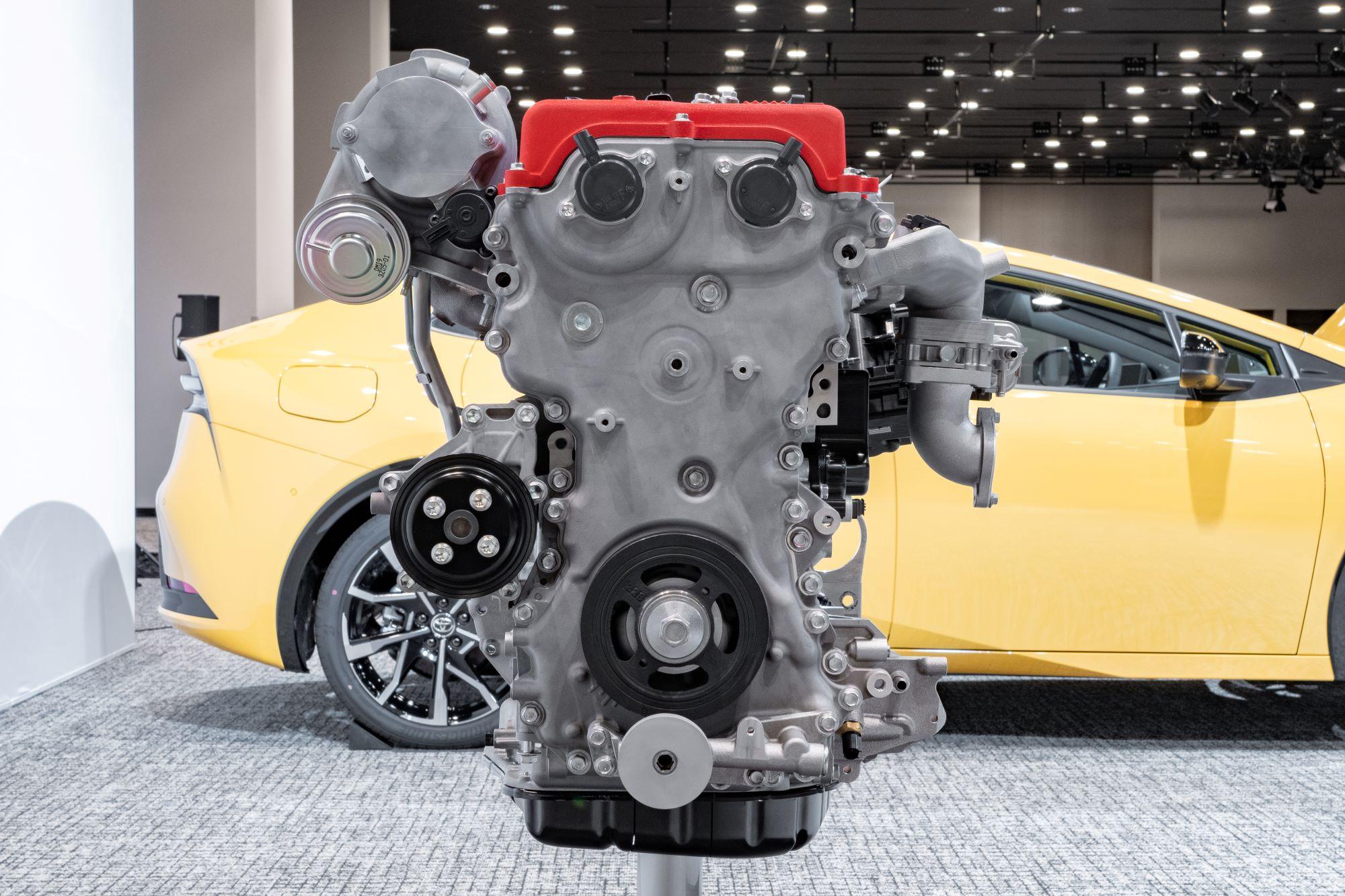
With these engines, each of the three companies aims to optimise integration with motors, batteries and other electric drive units. While transforming vehicle packaging with more compact engines, these efforts will also decarbonise ICEs by making them compatible with various carbon-neutral (*CN) fuels.
Toyota, Subaru and Mazda have always been driven by a deep understanding of their customers' diverse lifestyles. This understanding has led the three companies to develop signature engines that not only represent their respective brands but also cater to their customers' unique needs and preferences.
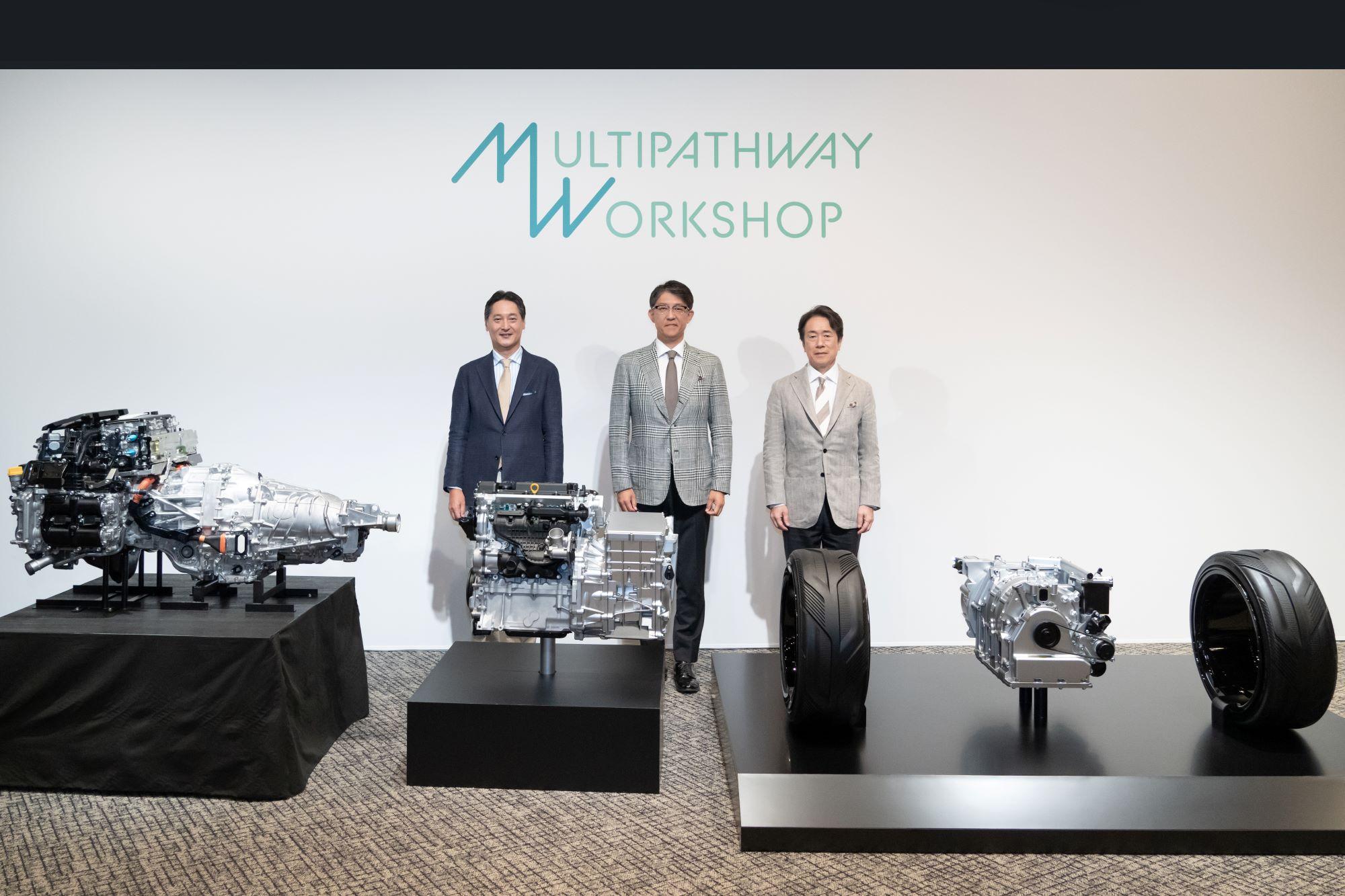
Each company's iconic engines: Subaru’s horizontally-opposed engine (Pistons move horizontally, resulting in a low-profile engine with less vibration & lower centre of gravity); Toyota’s inline-four engine (achieves both high output and high thermal efficiency) and Mazda’s Rotary engine (compact and lightweight, yet powerful. Currently used for generators).
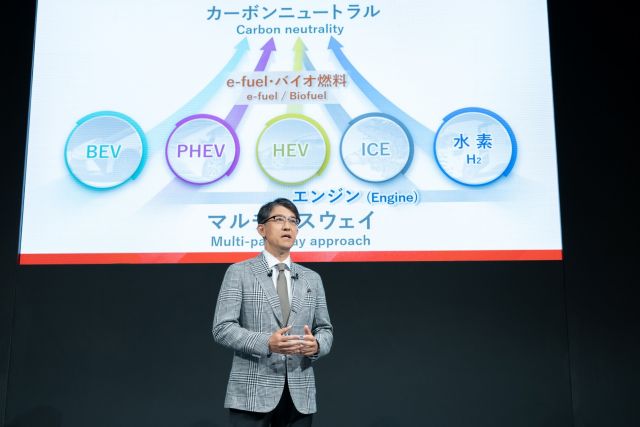
"In order to provide our customers with diverse options to achieve carbon neutrality, it is necessary to take on the challenge of evolving engines that are in tune with the energy environment of the future. The three companies, which share the same aspirations, will refine engine technologies through friendly competition," says Koji Sato, President, Member of the Board of Directors and CEO, Toyota Motor Corporation.
This process has clarified the role that future engines will play in achieving carbon neutrality. With the next generation of engines, the three companies will seek to not only improve standalone engine performance but also optimise their integration with electric drive units, harnessing the advantages of each.
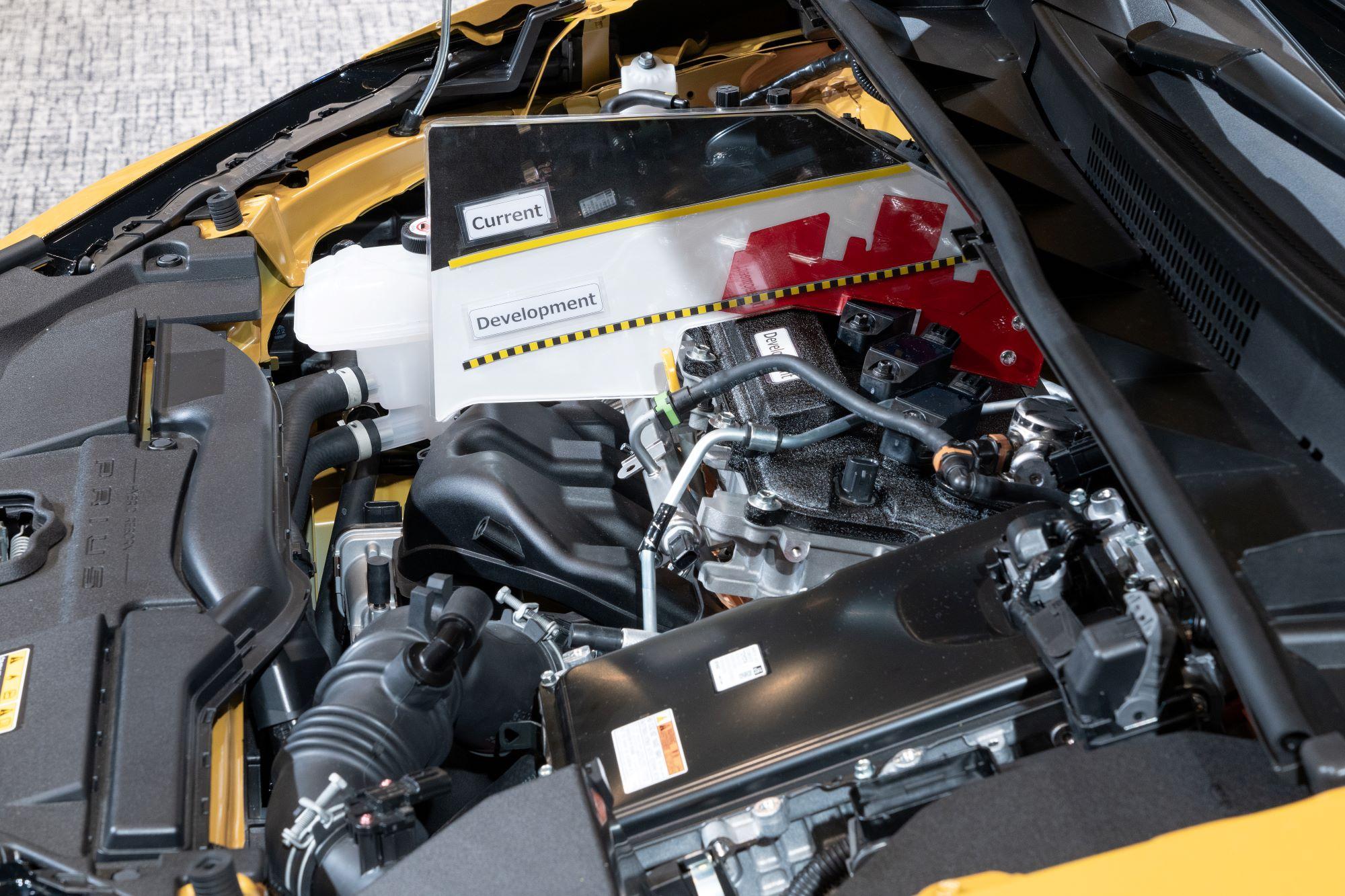
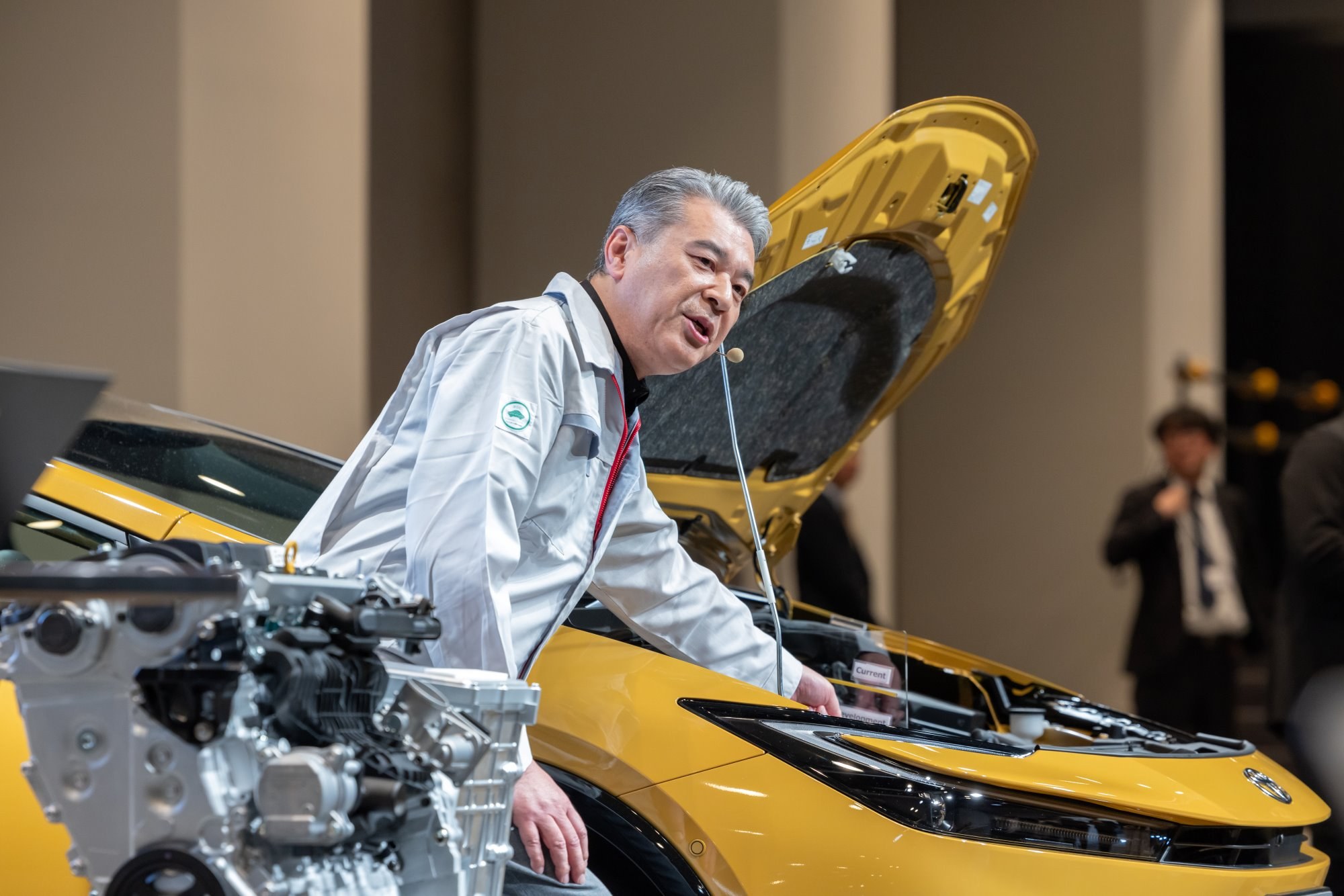
While being highly efficient and powerful, the new engines will also revolutionise vehicle packaging by being more compact than existing models. Smaller engines will allow for even lower hoods, improving design possibilities and aerodynamic performance while contributing to better fuel efficiency. The development will also emphasise compliance with increasingly strict emissions regulations.
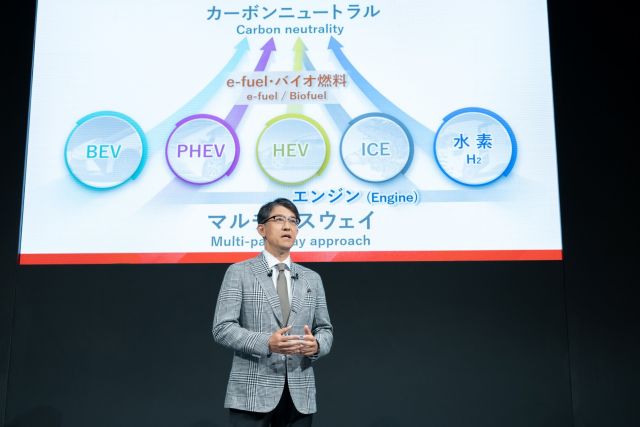
At the same time, the new engines will be made carbon neutral by shifting away from fossil fuels and offering compatibility with various alternatives, including e-fuel (synthetic fuel), biofuels and liquid hydrogen. In doing so, these engines will contribute to the broader adoption of CN fuels.
As Toyota, Subaru and Mazda compete in the product arena with unique engines and cars, the companies have a shared dedication to achieving carbon neutrality through a multi-pathway approach. Together with like-minded partners similarly skilled and passionate about engines, they will work to create the future of Japan’s auto industry.
* Fuels with net zero CO2
emissions into the atmosphere across their life cycle, from manufacture to use. These include e-fuel, made from hydrogen and carbon dioxide, and biofuels derived from biomass (plants, etc).
Europe’s used electric vehicle (EV) market is experiencing a notable surge as the Iran conflict drives up global oil prices and pushes petrol costs sharply higher across the continent.
Geely Auto has been recognised in the S&P Global Sustainability Yearbook 2026 (Global), marking a significant milestone for the brand’s global sustainability efforts and the first and only Chinese vehicle manufacturer to make the list.
Volkswagen Motorsport driver Jonathan Mogotsi has earned his Nürburgring Permit A ‘Ring Licence’ to qualify to race in the legendary circuit’s 24-Hour from 18 – 19 May 2026.
Europe’s used electric vehicle (EV) market is experiencing a notable surge as the Iran conflict drives up global oil prices and pushes petrol costs sharply higher across the continent.
Zero Carbon Charge (CHARGE), developer of a national network of off-grid, solar-powered electric vehicle (EV) charging stations, has formally submitted an objection to the South African National Roads Agency Limited’s (SANRAL) proposed amendments to its Rest and Service Facilities (RSF) Policy.
A new modelling study published in Nature Energy suggests that battery‑electric passenger vehicles (EVs) could become the most cost‑effective option for many African countries within the next two decades.